
Last updated November 16, 2026
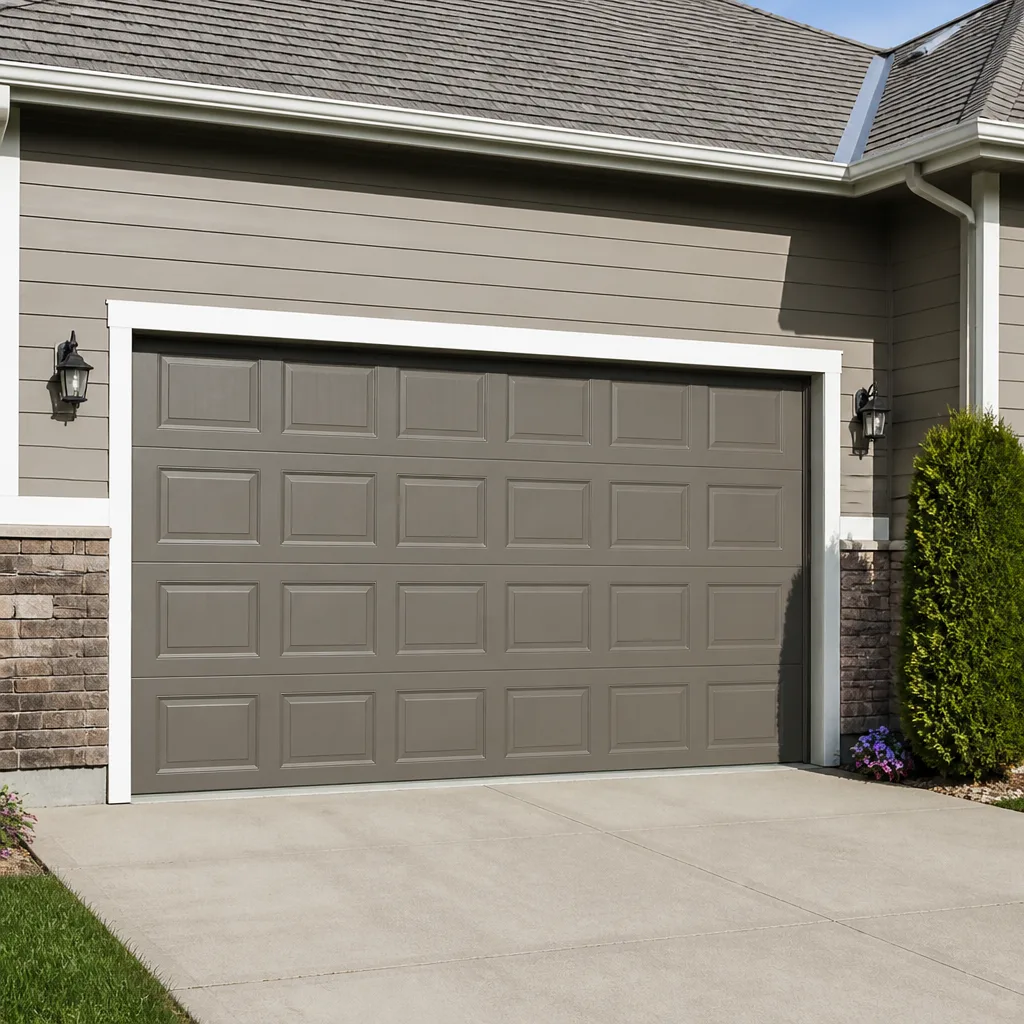 Raised-panel steel
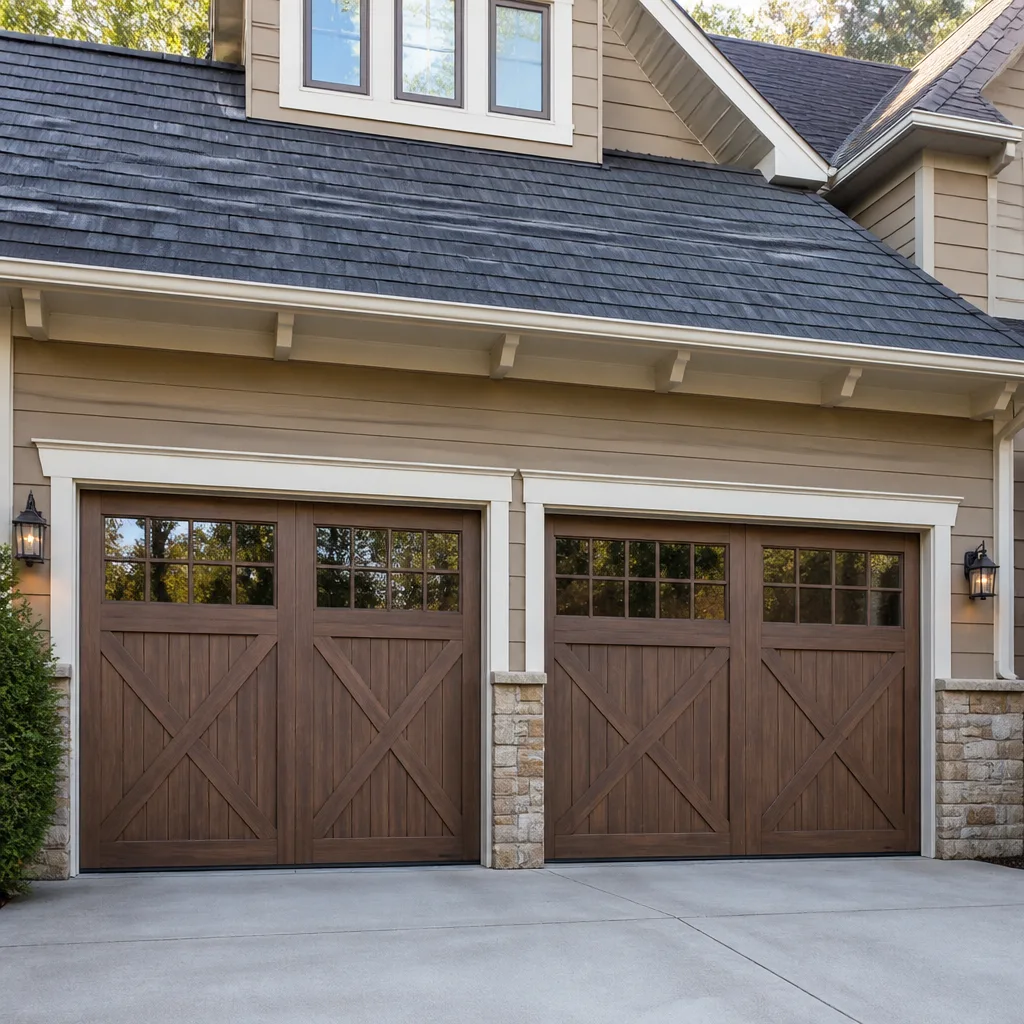 Carriage house
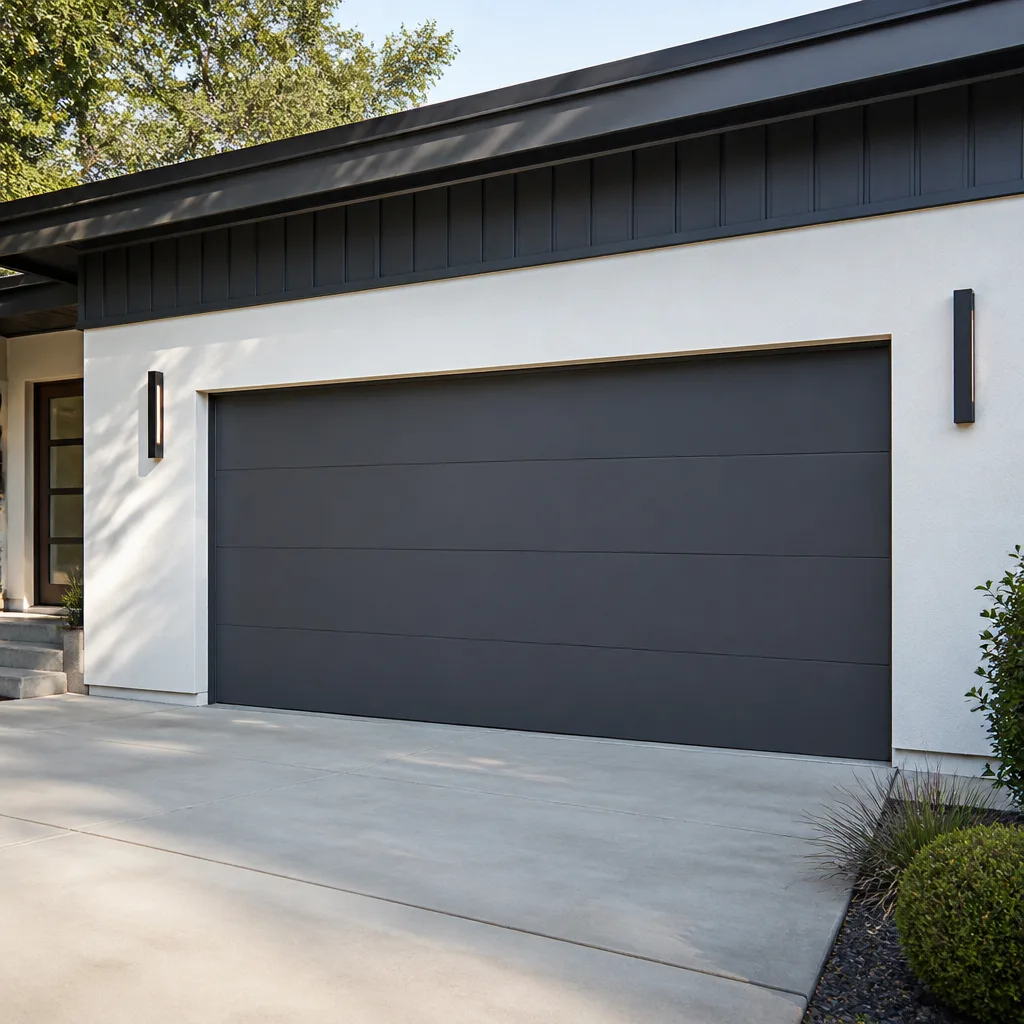 Modern flush
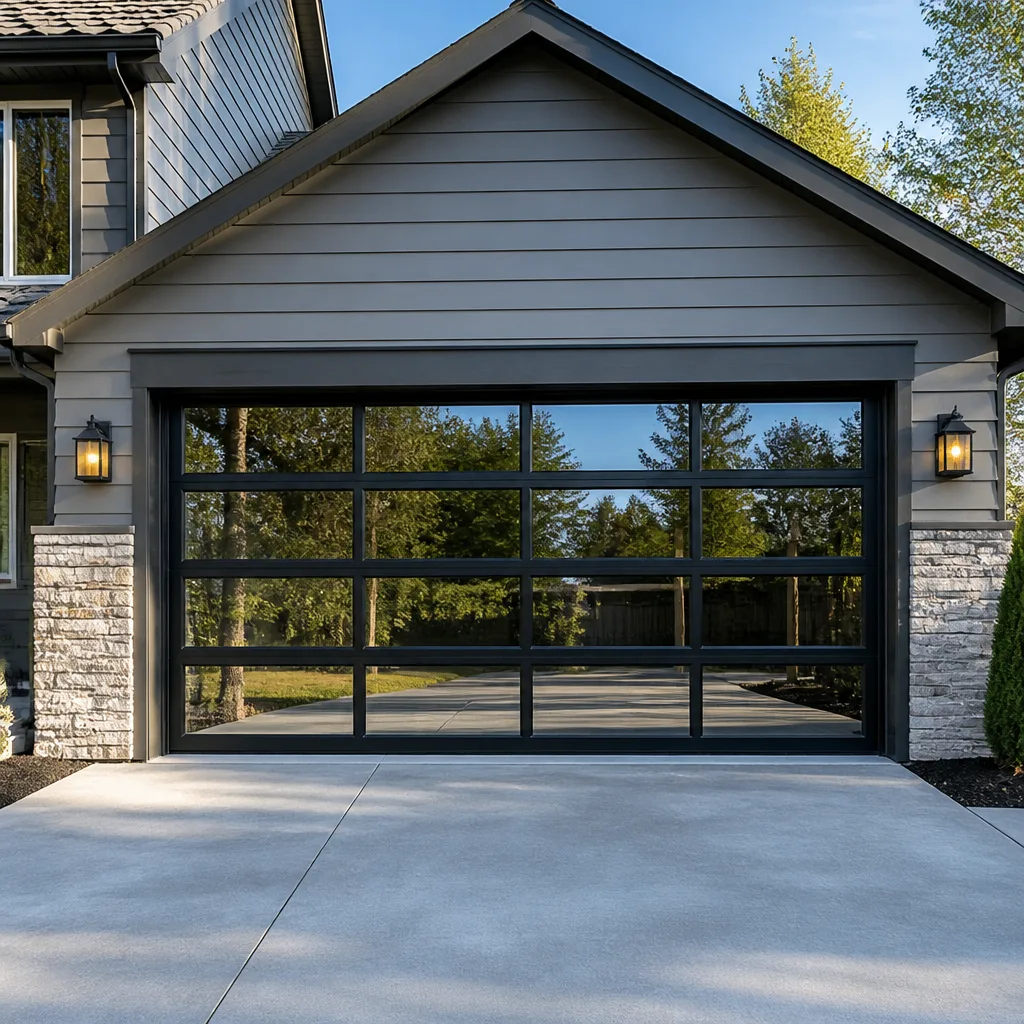 Full-view glass
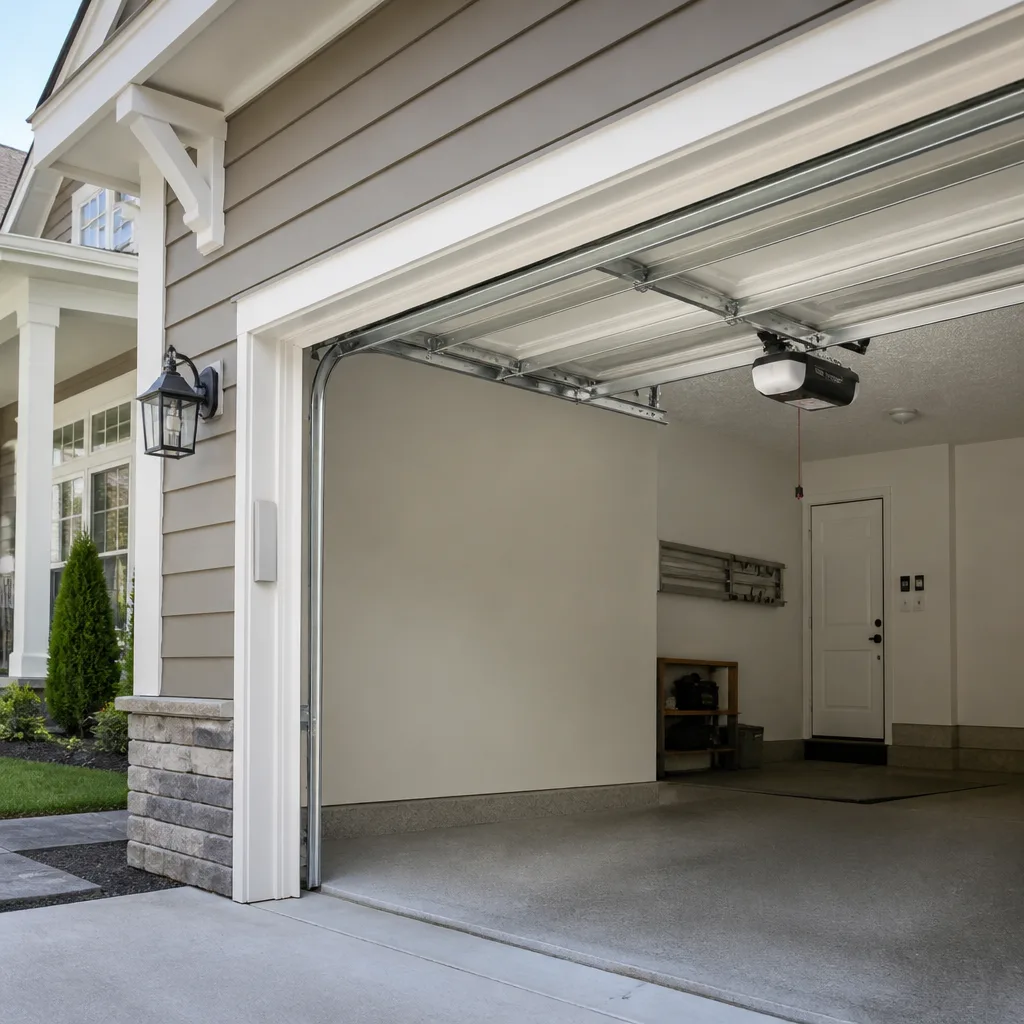 LiftMaster openers
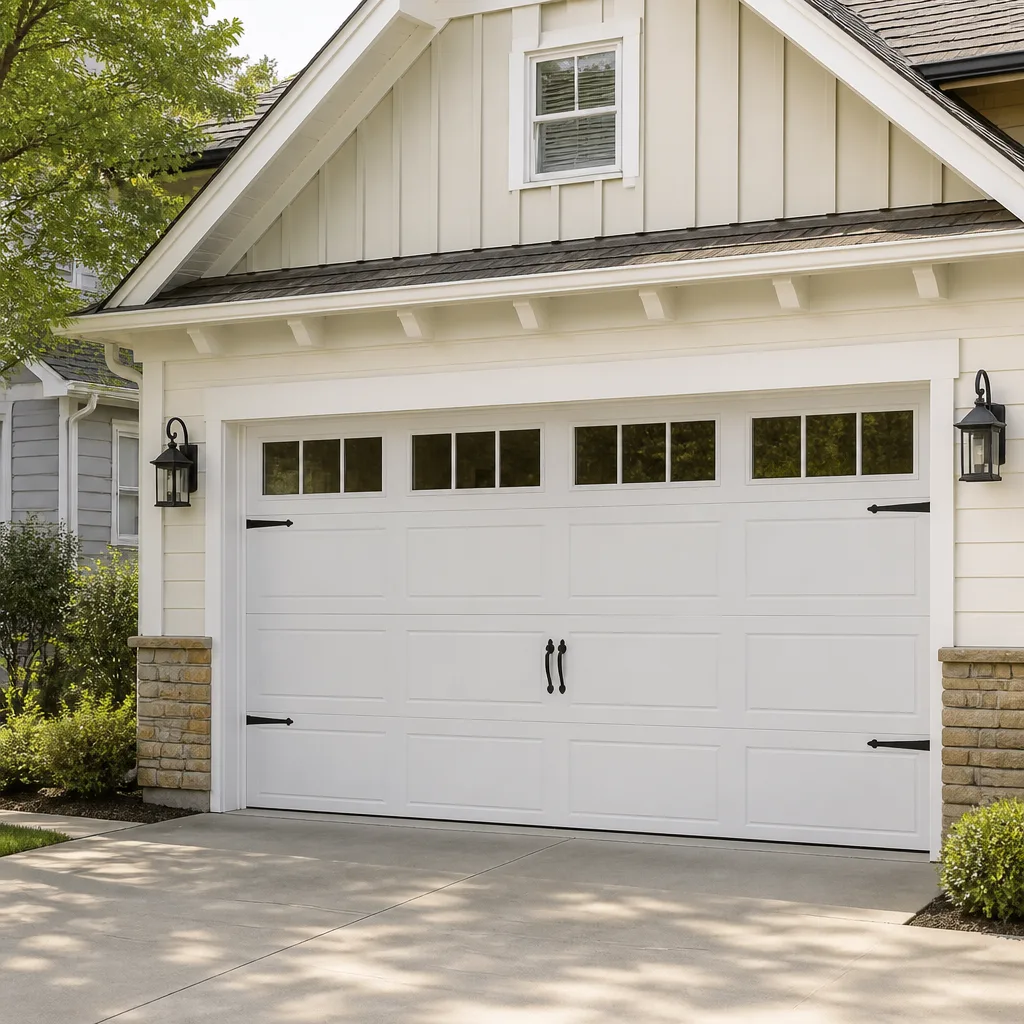 Chamberlain openers
Full 25-point door and opener safety check with every visit - springs, cables, rollers, tracks, and your LiftMaster or Chamberlain opener included
You get a price before we start. It does not change when the pro arrives.
Get your free estimateHow to Hire a Garage Door Contractor in Santa Rosa: A Step-by-Step Guide
A contractor can hold a valid California license, carry bonding and insurance, and still arrive at your Santa Rosa home without ever having worked on your particular opener or door model. Nothing in state law requires them to tell you that upfront. Licensing proves a contractor met the state’s minimum requirements. It does not prove they can diagnose a failing Genie logic board or recognize the specific symptoms of a worn Wayne Dalton Torquemaster assembly. The gap between “legally qualified” and “actually fluent” is where misdiagnosis, repeated visits, and inflated bills live. This guide walks you through how to close that gap before you book, from verifying a license in under two minutes to reading a written estimate for what it leaves out. You’ll finish knowing exactly what to ask, what to watch for, and how to tell a specialist from a generalist who happens to own a wrench set.
Quick Answer
To hire a garage door contractor in Santa Rosa, verify the contractor’s license on the California Contractors State License Board (CSLB) website, ask whether they service your specific door and opener brands, request a written line-item estimate before any work begins, and confirm they carry insurance and bonding. The single most overlooked step is brand fluency: a licensed contractor who doesn’t work on your system regularly is more likely to guess than diagnose. Prioritize a garage door specialist over a multi-trade outfit.
Styles & brands we work with
- Raised-panel steel
- Carriage house
- Modern flush
- Full-view glass
- LiftMaster openers
- Chamberlain openers
Table of Contents
- Why Brand Fluency Matters More Than a License Alone
- How Do You Verify a Contractor’s License in Santa Rosa?
- The Exact Questions to Ask Before You Book
- What a Legitimate Written Estimate Includes
- How to Read Reviews for Garage Door Work
- Red Flags Specific to Garage Door Contractors
- Specialist vs. Generalist: How to Tell the Difference
- Common Mistakes to Avoid
- When to Call a Professional
Why Brand Fluency Matters More Than a License Alone
Most garage door and opener brands share the same basic architecture: a motor, a drive mechanism, a track, springs, cables, and a set of safety sensors. But the failure patterns differ sharply. A Genie opener with a screw drive develops problems you won’t see on a belt-driven LiftMaster. A Clopay door’s panel construction affects how a spring replacement should be balanced. An Amarr door built for a specific wind rating has different reinforcement points than a standard sectional door. When a technician works on these systems every week, they recognize the symptom because they’ve seen the failure before. When they don’t, they start guessing.
Guessing looks like this: replacing a logic board that wasn’t the problem, swapping sensors when the issue was a misaligned track, or recommending a full opener replacement when a single gear or capacitor would have solved it. Each guess costs you another service visit. In Santa Rosa’s older neighborhoods, where homes along streets like McDonald Avenue and the St. Rose district may have doors and openers installed by previous owners across multiple decades, you’re also dealing with mixed systems: a newer opener bolted to an older door, or a door that was re-weighted for a different spring tension than the original. That’s exactly where brand-specific knowledge pays off.
What “We Service All Brands” Actually Means
Almost every garage door company says they service all brands. That phrase means they will come out and look at your door. It does not mean they have deep familiarity with your specific system’s failure modes. The difference matters because the language is identical on paper but the outcome is very different. A company that regularly works on Wayne Dalton, Clopay, Genie, Amarr, and similar brands develops pattern recognition that a generalist simply doesn’t have. When we say we work on your brand, we mean the technician knows what typically fails on that model, how the parts interchange, and what a reasonable repair timeline looks like before the truck rolls.
How Do You Verify a Contractor’s License in Santa Rosa?
You can verify a contractor’s license status on the CSLB website in under two minutes. It’s free, it’s public, and it’s the fastest way to eliminate unlicensed operators before they ever set foot in your garage. Here’s the process, step by step:
- Get the license number in writing. Ask the contractor to send it by text or email before the appointment. Any legitimate contractor provides it without hesitation.
- Go to the CSLB website and use the “Check a License” tool. You can search by license number or by business name.
- Confirm three things: the license status is “Active,” the classification code is appropriate for garage door work (typically a C-61/D-28 for door installation or a C-61/D-16 for general related work), and the business name and address match what you were given.
- Check the bond and insurance fields. The CSLB listing shows whether a contractor bond is on file. Ask separately for a certificate of general liability insurance and confirm the dates are current.
- Look for complaint history. The CSLB shows discipline disclosure and complaint records. A single old complaint isn’t necessarily disqualifying, but a pattern is worth asking about.
Do this before you schedule service, not after. If you’re already in the middle of a garage door repair and something feels off, ask for the license number and verify it on the spot. It takes less time than a phone call. The CSLB also allows you to check whether the license is current or suspended, which matters more than whether it ever existed. A contractor whose license lapsed six months ago is not someone you want adjusting springs in your home.
The Exact Questions to Ask Before You Book
The right questions separate a specialist from a generalist faster than any marketing page will. Ask them by phone or text before you commit to an appointment, and pay attention to how the answers come back. A fluent contractor answers quickly and specifically. A generalist tends to pivot to price or availability. Here’s what to ask, and what a good answer sounds like:
- “Do you work on my brand of door and opener?” Name the brand on your system. A specialist either says yes and describes what they typically see on that model, or tells you honestly that it’s outside their range.
- “What’s the most common failure you see on this type of opener?” This is the brand-fluency test. A technician who has worked on Genie, Chamberlain, or Craftsman systems will usually have a ready answer, such as a stripped gear, a failing logic board, or a sensor alignment issue.
- “Can you give me a written estimate before any work?” The answer must be yes. A verbal estimate is not a quote.
- “Are you licensed, bonded, and insured?” Ask for the license number. Verify it yourself using the CSLB process above.
- “Is the price you quote the price I pay?” Clarify how the company handles situations where the initial diagnosis turns out to be incomplete. A good answer: the estimate is the estimate, and any additional work is quoted and agreed before it starts.
- “Do you charge for an estimate?” A free estimate is standard for garage door work. If there’s a fee, ask what it covers and whether it’s applied to the repair.
The best signal is not a smooth script. It’s a technician who asks you specific questions back about your door’s age, the type of opener, the symptom you’re seeing, and whether the door uses torsion or extension springs. That level of detail is how a specialist narrows down a diagnosis before they’re standing in your garage. You can also ask about the brands we actually service in more detail on our Signal Garage Door Repair page.
What a Legitimate Written Estimate Includes
A written garage door estimate should give you enough detail to compare bids line by line. If it doesn’t, you can’t tell a thorough quote from a vague one. Here’s what a legitimate estimate covers:
- The specific diagnosis: what’s failing and why, named in plain terms (e.g., “both torsion springs have lost tension” or “the opener’s drive gear is stripped”).
- Parts and labor broken out separately: the cost of each part and the labor to install it.
- Brand and model of replacement parts: spring wire gauge, opener model, panel specifics if a panel is involved.
- What’s explicitly excluded: supplies, disposal, any add-ons, and any work that might be needed if a hidden problem turns up mid-repair.
- The final price, stated clearly: “This is the price” is better than “starting from.”
- The warranty or workmanship term, in writing, along with what it covers and what voids it.
What a low-ball quote intentionally omits is usually one of these. A price that’s dramatically lower than others often reflects a missing item: no labor for the second spring on a matched pair, no disposal fee for the old door, or a quote for a single spring when both matched springs should be replaced together. A spring replacement quote is priced per spring. If a matched pair is being replaced, that’s a pair cost, and a quote that hides that distinction isn’t an honest quote. Ask directly: “Does that price cover one spring or both?” The answer should be in the written estimate, not in a follow-up conversation.
How to Read Reviews for Garage Door Work
Most garage door reviews rate friendliness. That’s useful, but it doesn’t tell you whether the technician knew what they were doing. What you want to read for is technical specificity: the reviewer mentions the brand of their door, describes the diagnosis in detail, or notes that the technician explained exactly what was wrong and why. Reviews that read “came on time, fixed it, great guy” are nice but uninformative. Reviews that read “diagnosed a Genie opener issue two other companies misdiagnosed” are the ones worth trust.
In Santa Rosa, pay attention to reviews that mention specific neighborhoods or door types. A reviewer on the west side of town with an older wood-panel door will have a different service experience than one in a newer subdivision with a steel door. Both can be legitimate. What you’re looking for is a pattern of accurate diagnosis across varied systems, not just praise for prompt arrival. Filter out very short reviews with no substance. Look for reviews that mention a second service visit that wasn’t needed because the first diagnosis was correct. That’s the strongest signal a contractor actually knows what they’re doing.
Also check for negative reviews that mention billing after the work or prices higher than quoted. One complaint isn’t a dealbreaker. A repeated pattern of quote-versus-invoice mismatch is.
Red Flags Specific to Garage Door Contractors
Some red flags are common to every trade: no license, no insurance, no written estimate. Garage door work has its own red flags that are easy to miss if you don’t know what to look for. Here are the specific ones worth watching:
- Vague spring pricing. A quote for “springs” without saying one or both, without a wire gauge, and without labor broken out is not a real quote. Springs are the most commonly replaced part on a garage door, and a contractor who won’t price them specifically is hiding something.
- Refusal to provide a written estimate. Some contractors will give a verbal estimate and start work immediately. Do not accept this. Once the door is apart, you’re committed, and you lose the ability to compare.
- Upselling an opener on a service call. A worn spring or a failing sensor doesn’t mean the opener needs replacing. If a technician recommends a new opener the same visit, ask why the existing one can’t be repaired. Sometimes the answer is honest, but often it’s a commission.
- No license number given. If you have to ask twice, walk away.
- “We’re a general contractor, we do it all.” Garage door work is a specialty. A generalist with the right license can be your contractor, but a specialist is almost always the better fit.
- Cash-only, no receipt. Standard practice for any legitimate contractor includes a receipt and a written invoice.
- Pressure to decide immediately. “This price is only good today” is a sales tactic. A legitimate contractor gives you time to consider the estimate.
Any one of these on its own isn’t proof of a bad contractor. Two or three together is a strong signal. In Santa Rosa’s competitive market, you don’t need to take that risk.
Specialist vs. Generalist: How to Tell the Difference
Specialist and generalist aren’t just labels. They describe how a company allocates its technicians, its training time, and its parts inventory knowledge. A generalist may have a licensed crew with broad experience across plumbing, electrical, and garage doors. That’s fine for the first call. But the diagnostic ability on your particular brand of door or opener comes from repetition on that same brand, not from having seen a garage door before. Here’s how to tell them apart in practice:
- Ask what brands they work on most. A specialist names specific brands and describes typical issues. A generalist says “all of them” and moves on.
- Ask about opener-specific repair. If the company treats opener repair as a distinct specialty separate from door repair, that’s a specialist signal. Opener diagnostics require electrical knowledge and, in Santa Rosa’s market, familiarity with smart-drive and belt-drive systems as much as older screw-drive units.
- Ask how long a typical appointment takes. A specialist often completes the work in one visit because the diagnosis was accurate. A generalist often needs a return trip to order the right part.
- Look at service breadth. A company that does garage doors, painting, handyman work, and appliance repair is a generalist. A company that does garage doors and openers exclusively is a specialist.
For Santa Rosa homeowners, the specialist path is usually the better one for repairs and garage door opener repair, where diagnosis is the hardest part. For a new door installation, either can work, but a specialist has more brand-matched options and better knowledge of how each door’s spring system will perform over time.
How Much Should Garage Door Repair Cost in Santa Rosa?
You shouldn’t commit to a repair before you know what the price ranges look like in your market. Garage door pricing in Santa Rosa tracks with the wider Bay Area market: higher labor rates than inland California, and a service radius that includes both older neighborhoods and newer construction. Here’s what a typical written estimate looks like as a set of line items, with ranges rather than specific prices:
- Torsion spring replacement (one spring): $180 to $340, depending on spring type and door weight.
- Torsion spring replacement (matched pair): approximately twice the single-spring price, since both springs are replaced together.
- Opener repair (board, gear, or sensor): $150 to $400 depending on the failure and the brand.
- Opener replacement: $300 to $800 for the opener and installation, depending on drive type and features.
- Panel replacement: $150 to $500 per panel, depending on door brand and panel type.
- Full installation (new door): $1,200 to $3,500 depending on material, size, and opener pairing.
These are typical ranges for the Santa Rosa market, and the written estimate is what sets the final price. We always quote and agree on the price before work starts. If the price on the estimate is $420, that’s what you pay, unless we find something during the repair that changes the scope, in which case we stop and re-quote before continuing. Also note that spring pricing is per spring. A matched pair is two springs, not one, and a quote that treats them as a single unit isn’t comparable to one that doesn’t. For an exact figure on your door, call (844) 834-1851. Estimates are free.
See the difference
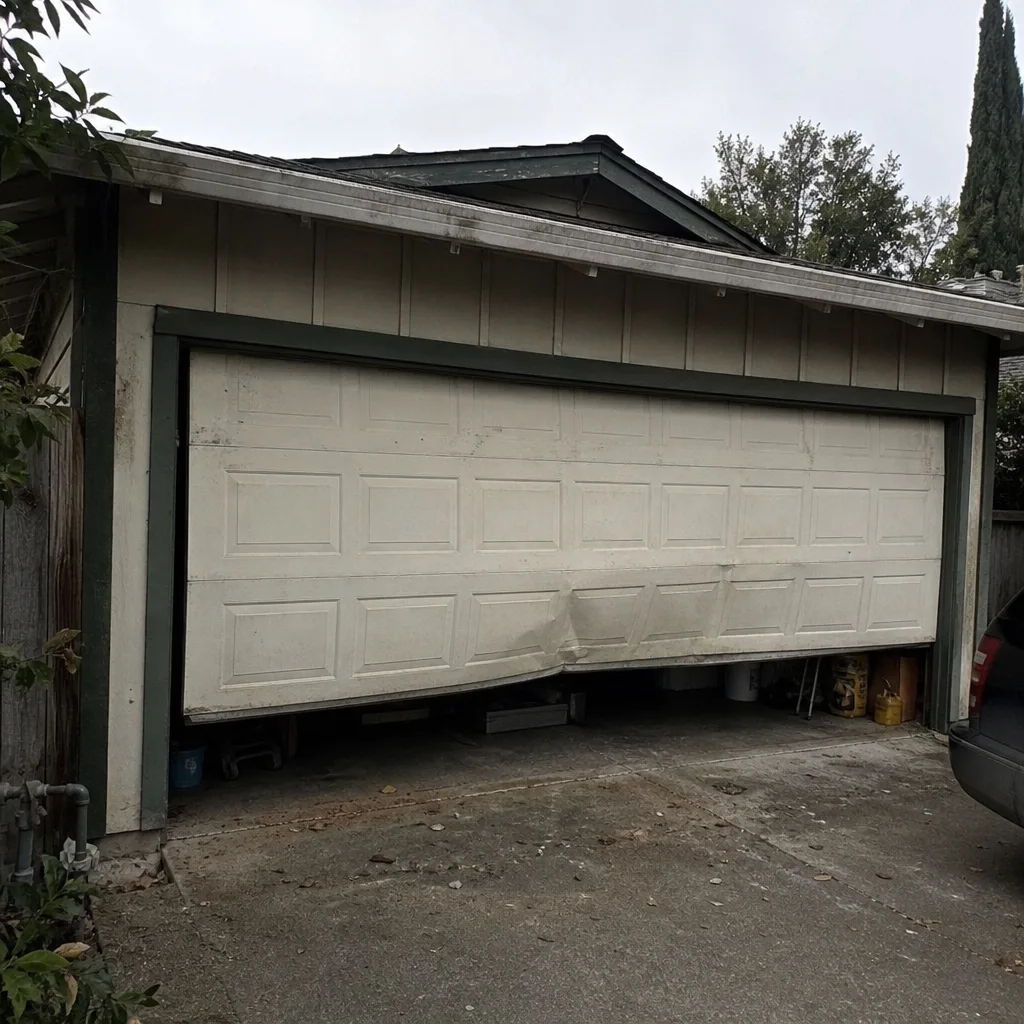 Before
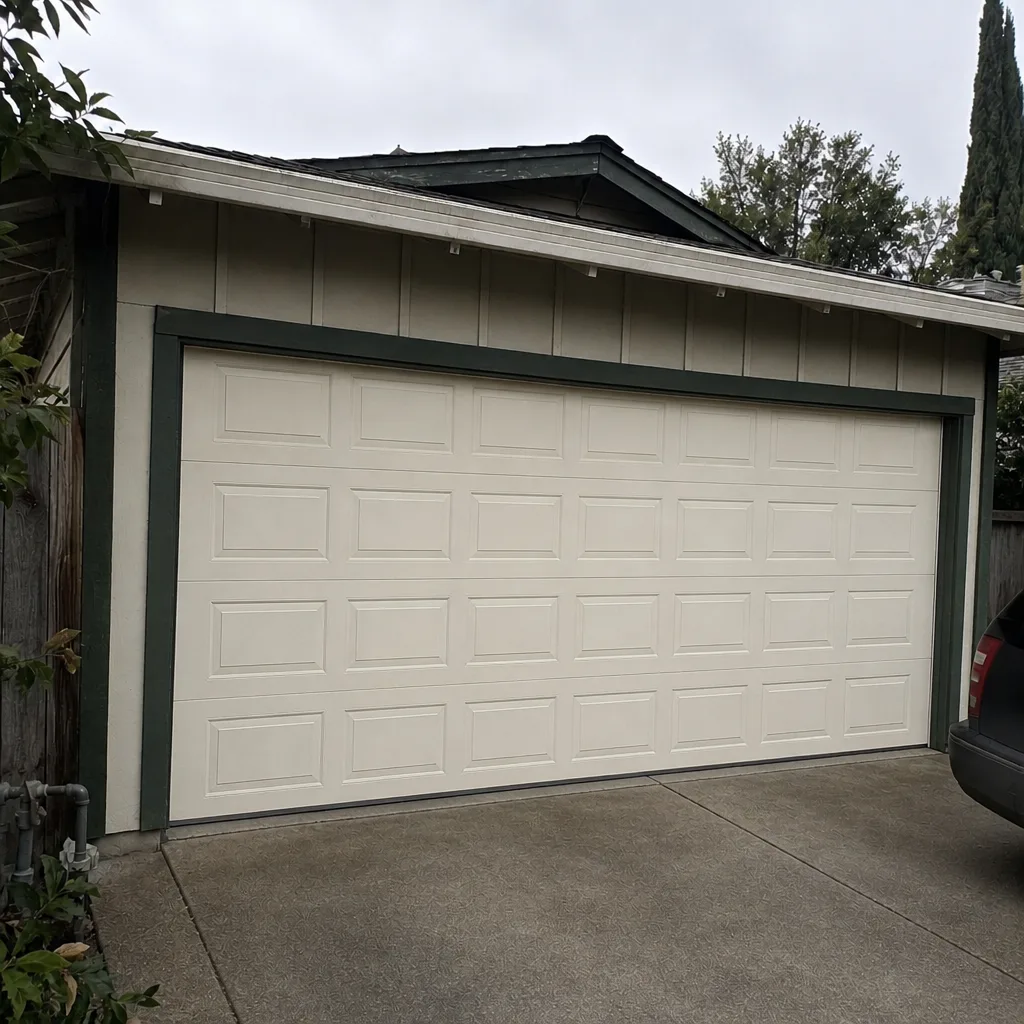 After
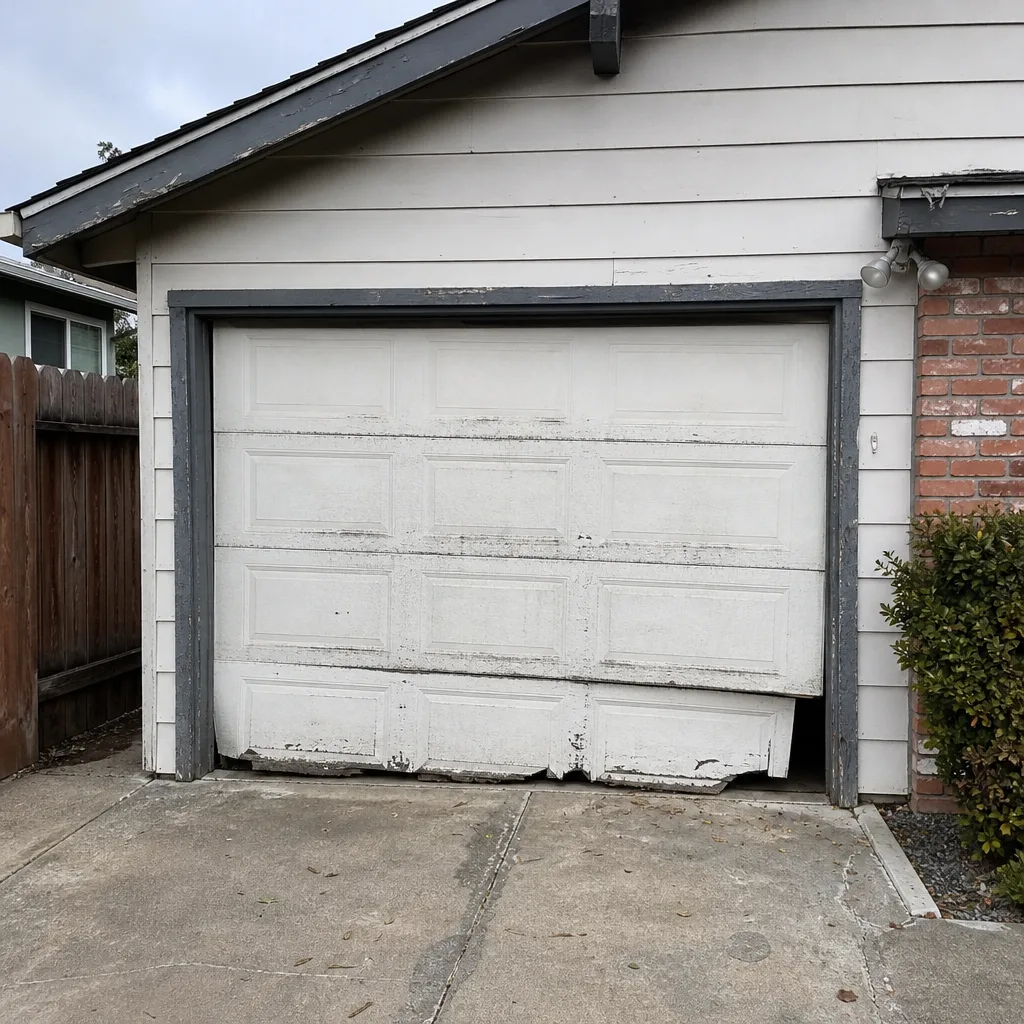 Before
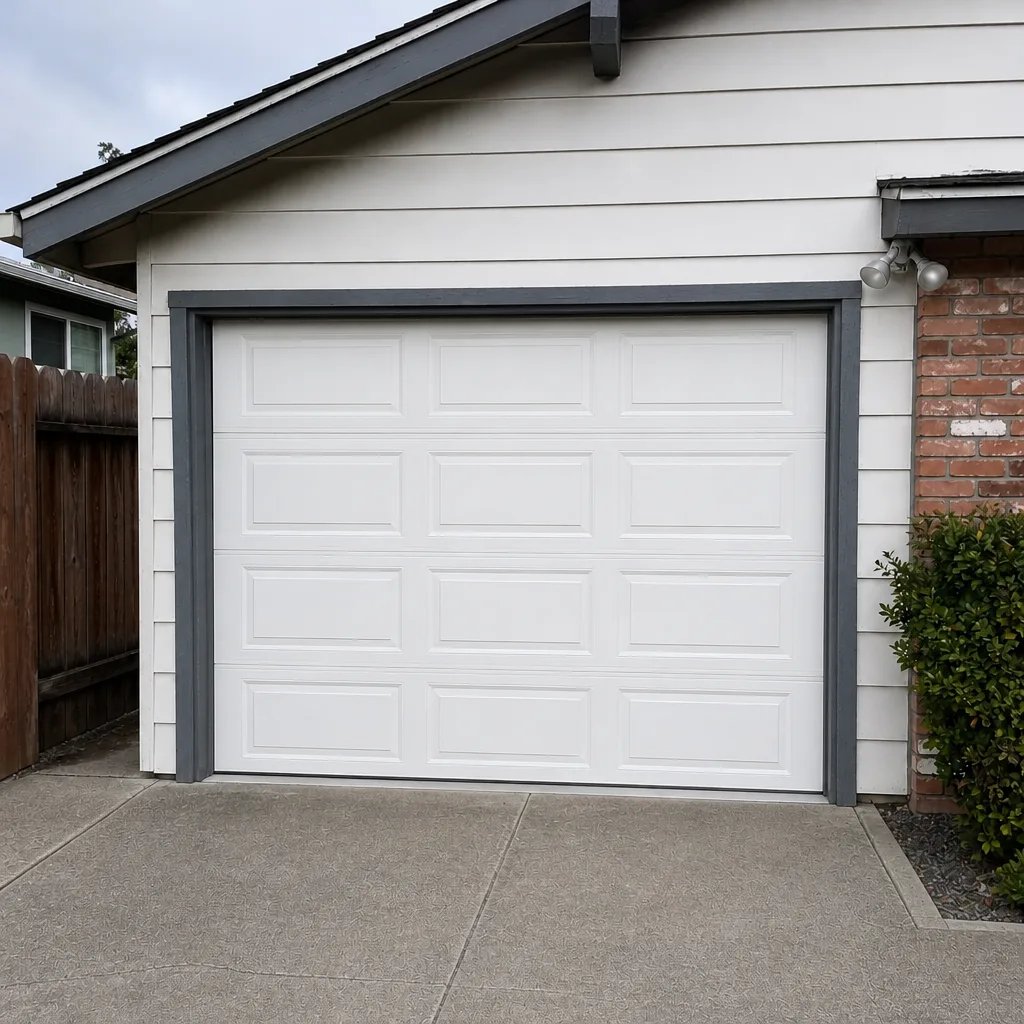 After
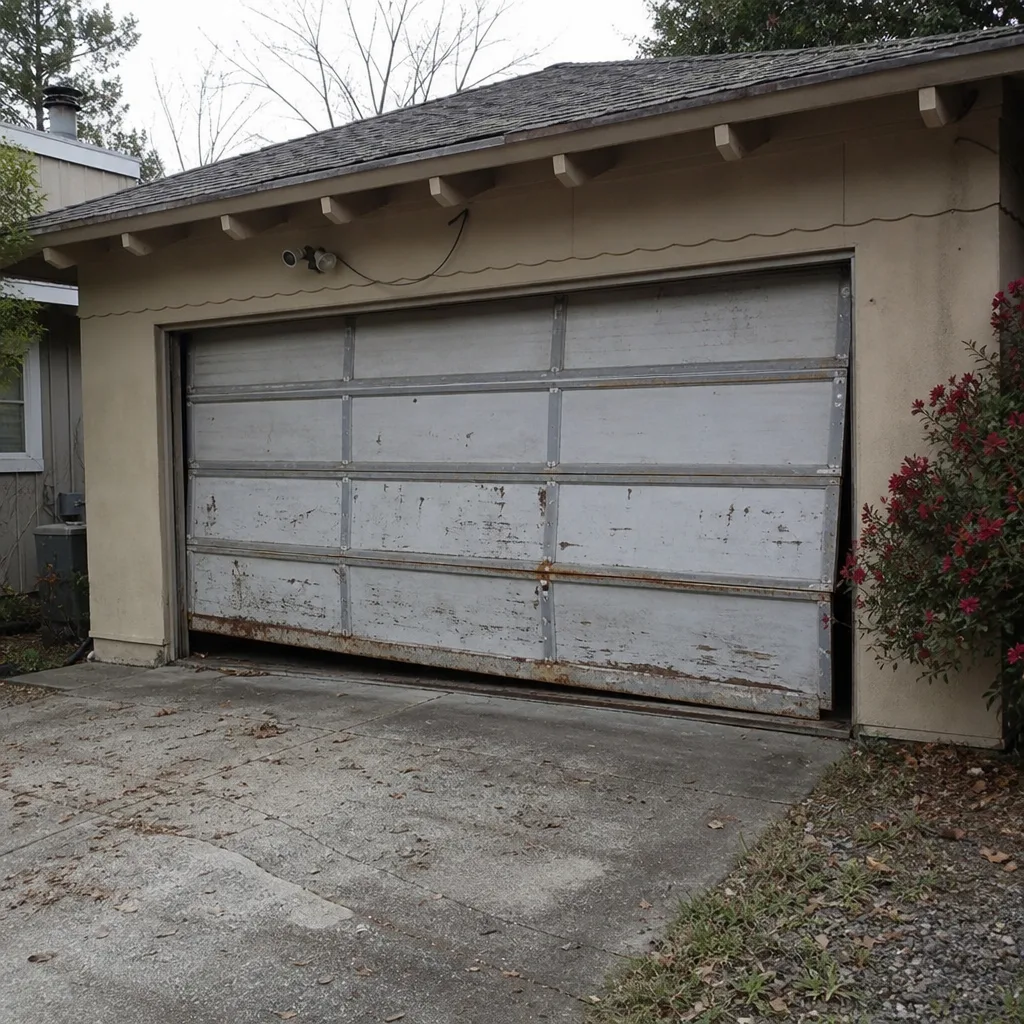 Before
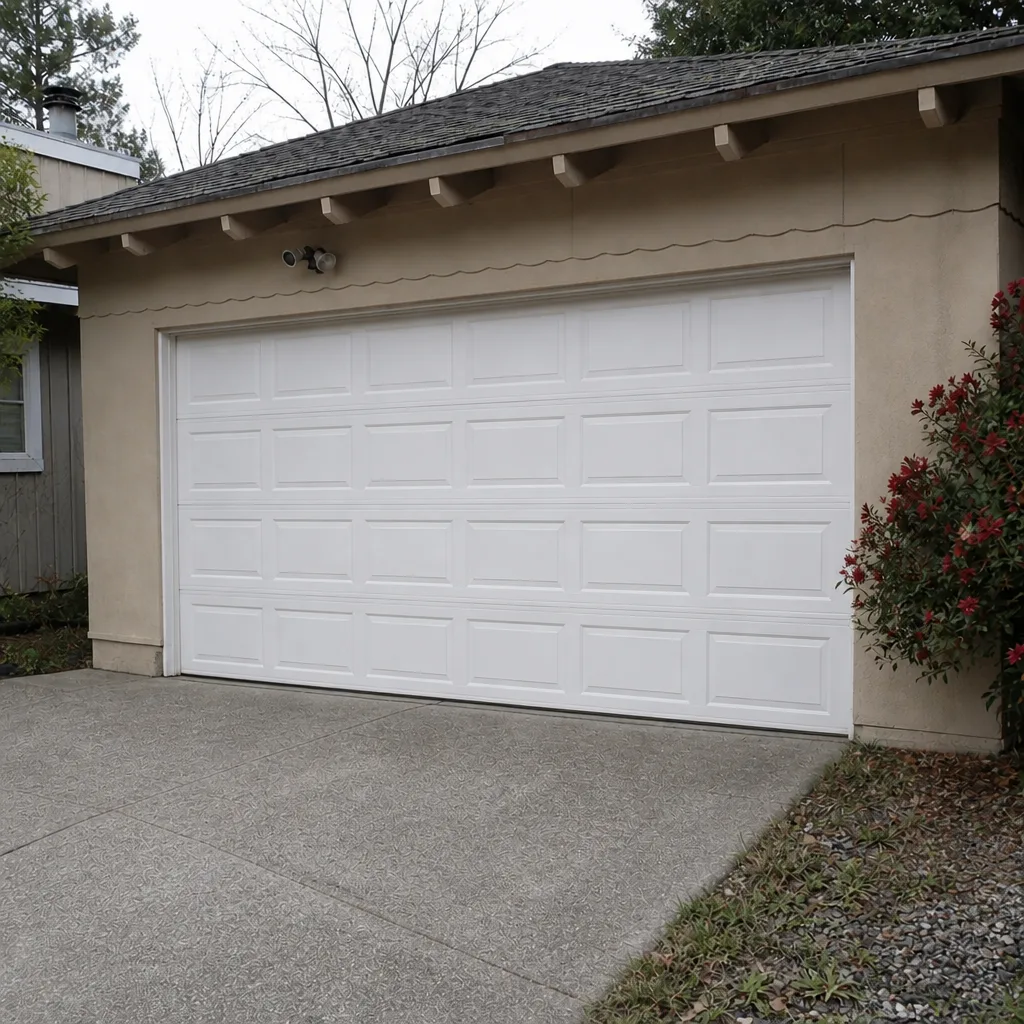 After
What Happens When You Call
Knowing what to expect when you call makes the whole process easier to evaluate. Here’s how a call with a well-run Santa Rosa garage door company should go:
- You describe the problem. The door won’t close, the opener runs but the door doesn’t move, the door is making a new noise, or something similar.
- They ask diagnostic questions. A specialist asks about the door’s brand and age, the opener brand and model if known, whether the symptom is constant or intermittent, and whether the door is balanced when disconnected.
- They schedule a visit. We answer 24/7. Fast dispatch from 7am to 7pm, Sunday through Friday. A call outside those hours is booked into the next opening.
- The technician diagnoses on-site. A specialist arrives with the knowledge to identify the issue and, if the brand is one they work on regularly, a reasonable idea of what’s likely wrong before opening the door.
- You get a written estimate. You approve or decline before work begins.
- The work is done. You get a receipt and a written warranty term.
The part to watch is step five. If the technician skips it or gives only a verbal number, that’s a red flag we covered above. A written estimate before work is the baseline, not a nice-to-have.
Common Mistakes to Avoid
- Hiring on price alone. The lowest quote is often the one that omits a spring, a disposal fee, or a warranty. Compare line by line, not bottom line to bottom line.
- Not verifying the license number. It takes two minutes on the CSLB site. Skipping it means trusting a claim you could just check.
- Assuming “all brands” means deep brand knowledge. Every company says it. Very few can name the typical failure modes of three brands on the spot.
- Accepting a verbal estimate. In Santa Rosa, garage door repairs are a significant enough expense that a written estimate should be standard. If it isn’t offered, ask for one before any work starts.
- Letting a technician replace a whole opener without a second opinion or explanation. Sometimes it’s the right call. But you should be told why the existing opener can’t be repaired, in specific terms.
- Ignoring the brand of the parts being installed. A replacement spring from an unknown source may not match the door’s original tension specs. Ask what brand and spec the replacement part is.
- Booking the first company that answers. A little comparison, especially on brand fluency questions, pays off. In a market as large as Santa Rosa’s, you have real options.
When to Call a Professional
Some garage door problems are safe to check yourself: a misaligned safety sensor, a door that reverses unexpectedly when the sensors are obstructed, an opener remote that needs re-pairing. Those are worth a look before you call. But several situations require a professional, and one is genuinely dangerous. Torsion springs and the cables that run with them are under extreme tension even when the door is closed. Never attempt to adjust, remove, or replace a torsion spring or cable yourself. A spring that releases unexpectedly can cause serious injury, and it happens without warning. Call a trained technician for any spring or cable work, no matter how simple it looks on video.
Call a professional right away for: a broken spring (usually a loud snap and a door that won’t lift), a door that’s come off its track, a door that falls too fast when closing, a snapped cable, or an opener that runs but doesn’t move the door. Electrical work inside an opener or a wall control that involves wiring should also be left to a specialist. Signal Garage Door Repair offers free estimates in Santa Rosa – call (844) 834-1851 to schedule.
Frequently Asked Questions
Ask for the license number, then enter it on the California Contractors State License Board website under “Check a License.” Confirm the status is Active, the classification matches garage door work, and the business name and address match what you were given. Verify it before your appointment, not after.
Hire a specialist for anything beyond a sensor adjustment or a remote pairing. A specialist has seen your specific brand’s failure patterns many times, which means faster diagnosis and fewer return visits. A generalist can do some garage door work, but brand-specific knowledge is where misdiagnosis becomes expensive.
No. Written estimates for garage door work should be free. If a company charges for an estimate, ask what the fee covers and whether it’s applied to the repair. In most cases, a fee is a signal to look elsewhere. Call (844) 834-1851 for a free estimate.
A quote for one spring covers exactly one spring. A matched pair is two springs and costs approximately twice the single-spring price. The two quotes should never be presented as if one price covers both. Ask explicitly: “Does that price cover one spring or both?”
Repair is usually the right answer for a single failing component: a broken spring, a stripped opener gear, a bent track, or a failed sensor. Replacement becomes the better option when the door is structurally failing across multiple panels, the door’s spring system no longer matches its weight, or repairs would cost more than half the price of a new door. A written estimate from a specialist will clarify which applies to your door.
Age matters less than brand fluency. A company that regularly works on the brand can usually service older units, including parts sourcing, better than one that doesn’t. Ask specifically: “Have you worked on this model before?” and “What typically fails on it?” The answer tells you whether they’re diagnosing or guessing.
For more detail on how a Santa Rosa company’s scope compares, see what we offer in Santa Rosa.
The Bottom Line
Hiring a garage door contractor in Santa Rosa comes down to two checks: verifying the license and confirming the brand fluency. The license is a two-minute CSLB search. Brand fluency is five or six specific questions, answered well or poorly. Get both, insist on a written estimate before any work begins, and read reviews for technical specificity rather than friendliness. When you’re ready for a specialist who knows the eight leading brands and diagnoses instead of guessing, call (844) 834-1851 for a free estimate. We answer 24/7. Fast dispatch from 7am to 7pm, Sunday through Friday. Your written estimate is the price you pay.
Written by the team at Signal Garage Door Repair.