
Last updated November 16, 2026
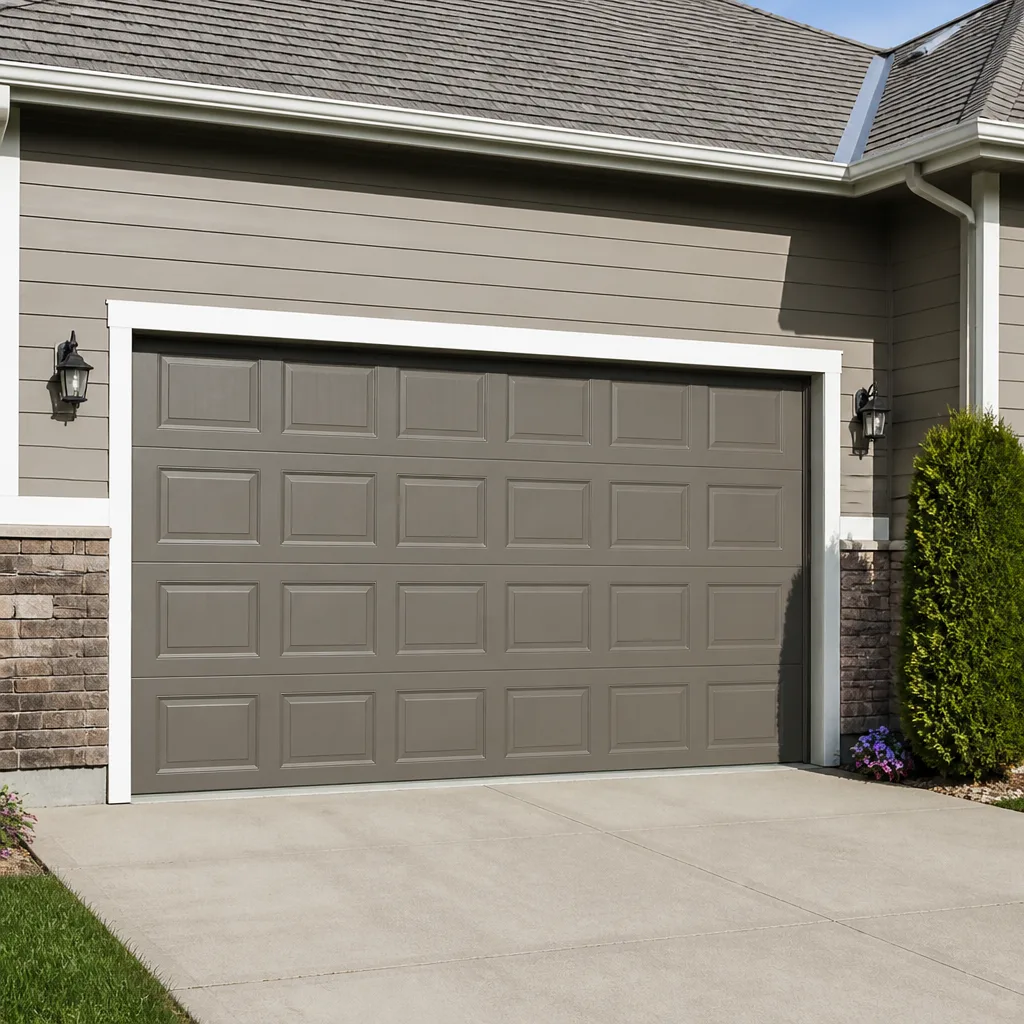 Raised-panel steel
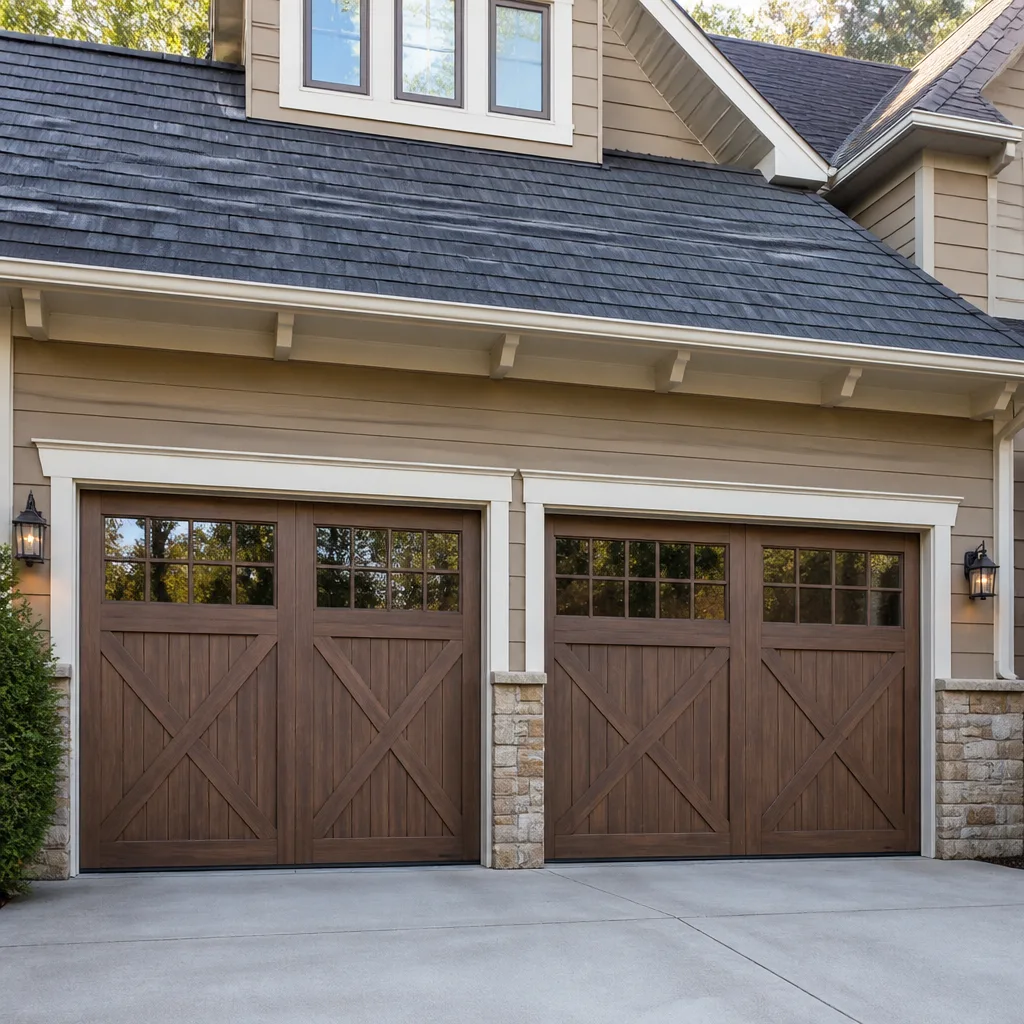 Carriage house
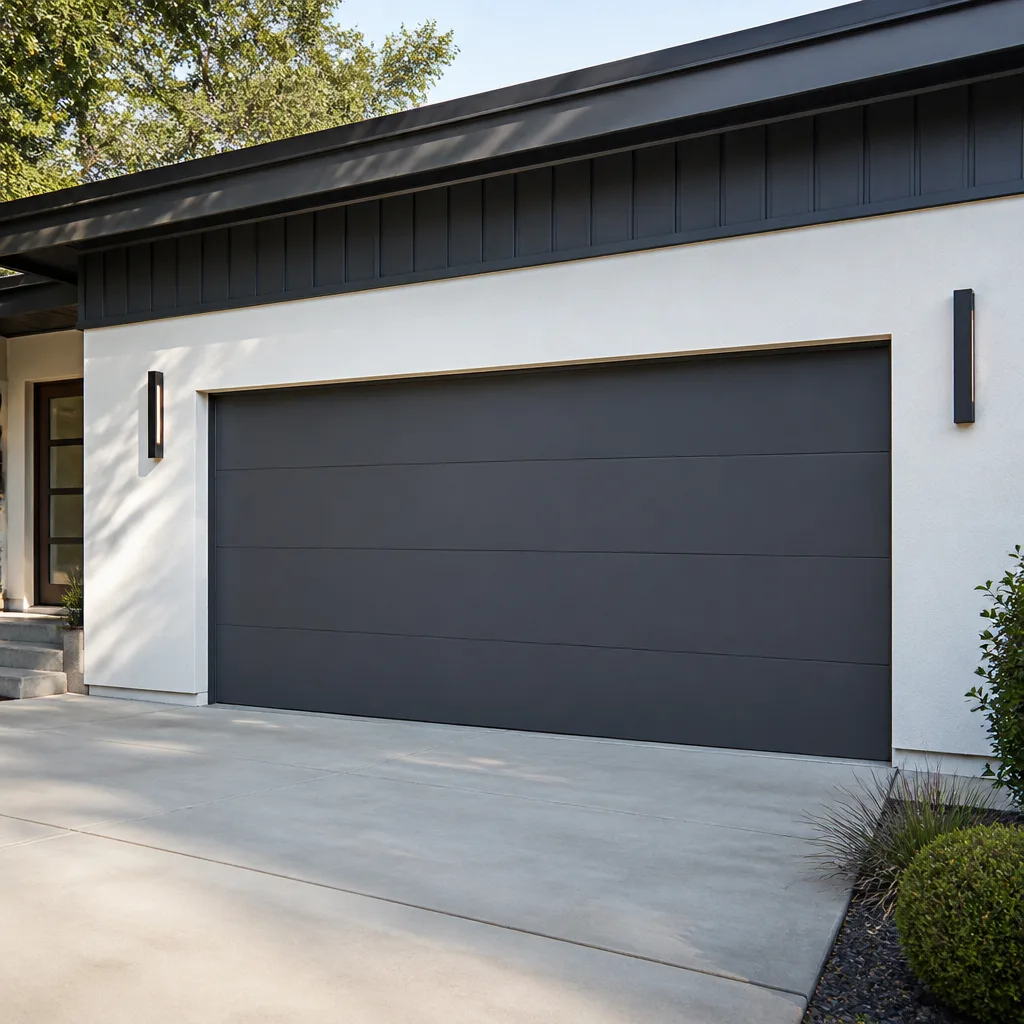 Modern flush
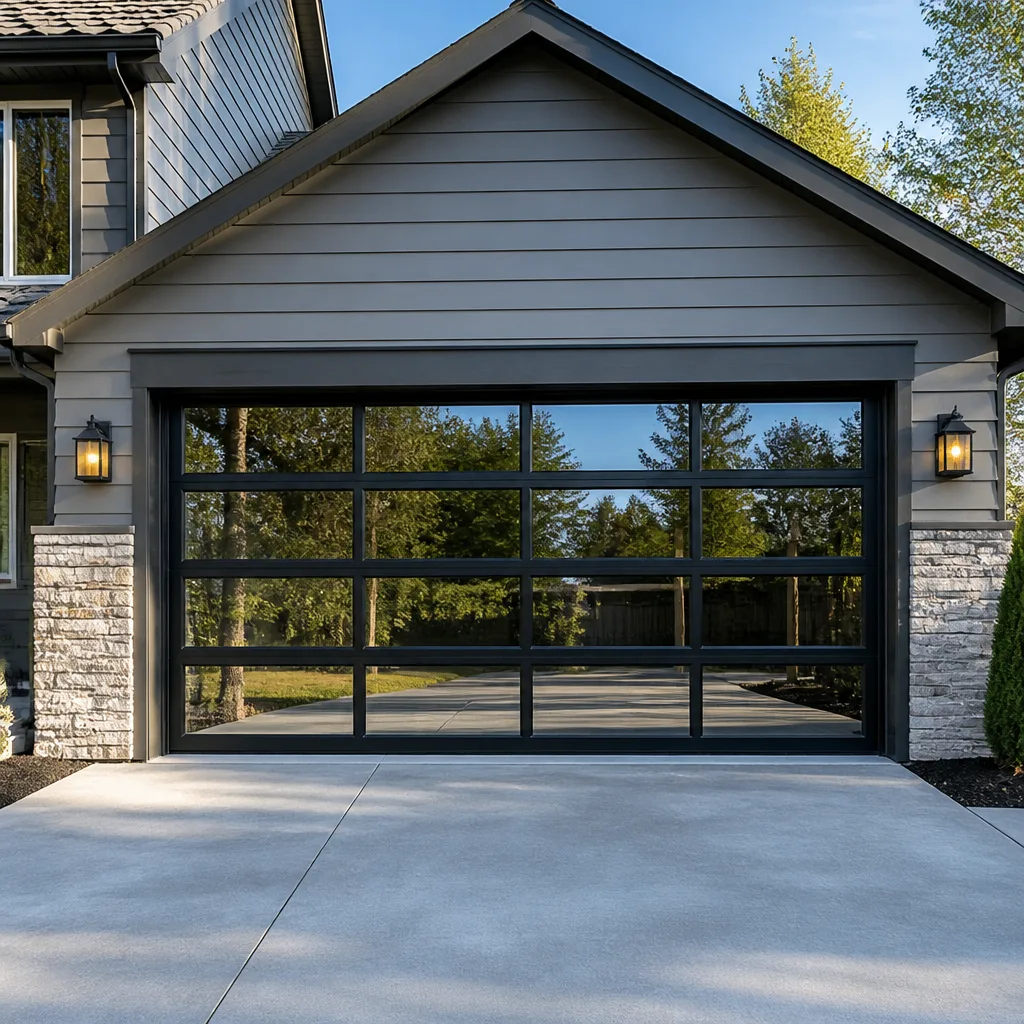 Full-view glass
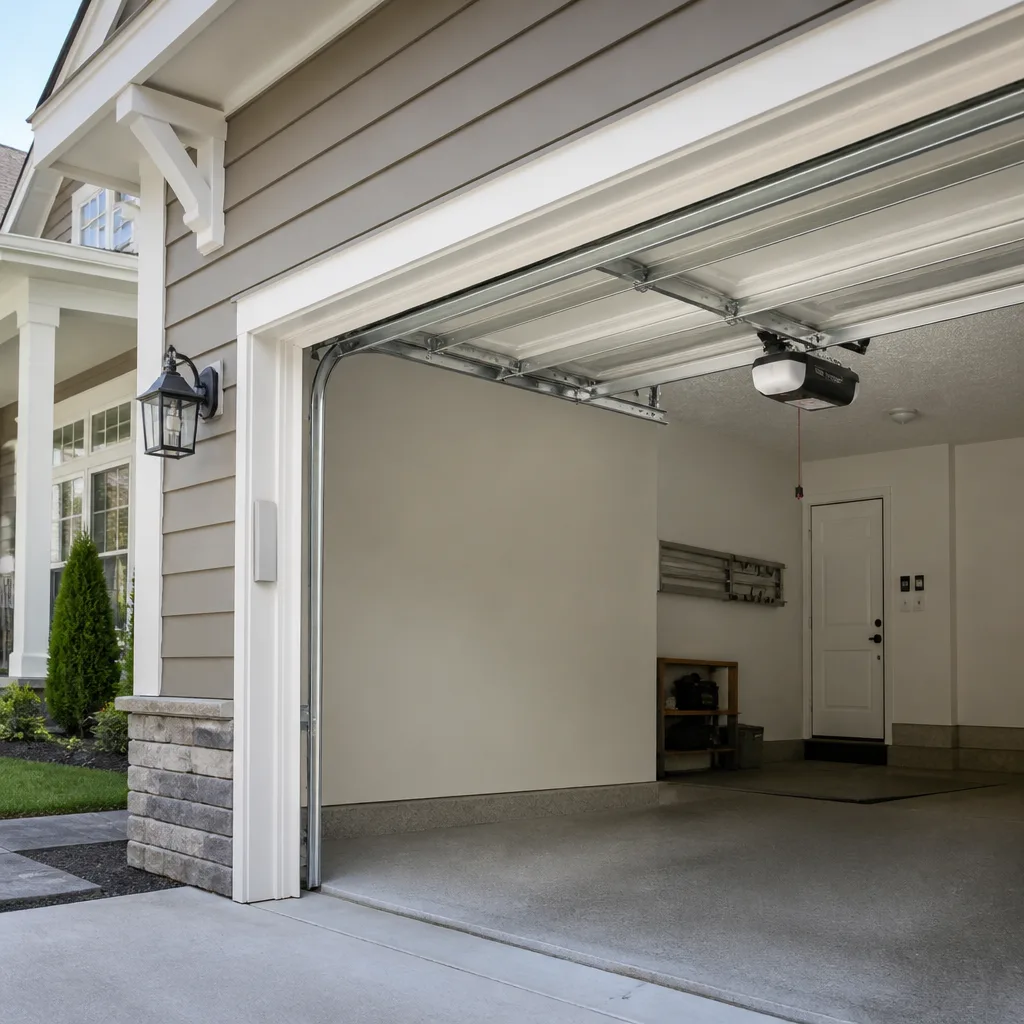 LiftMaster openers
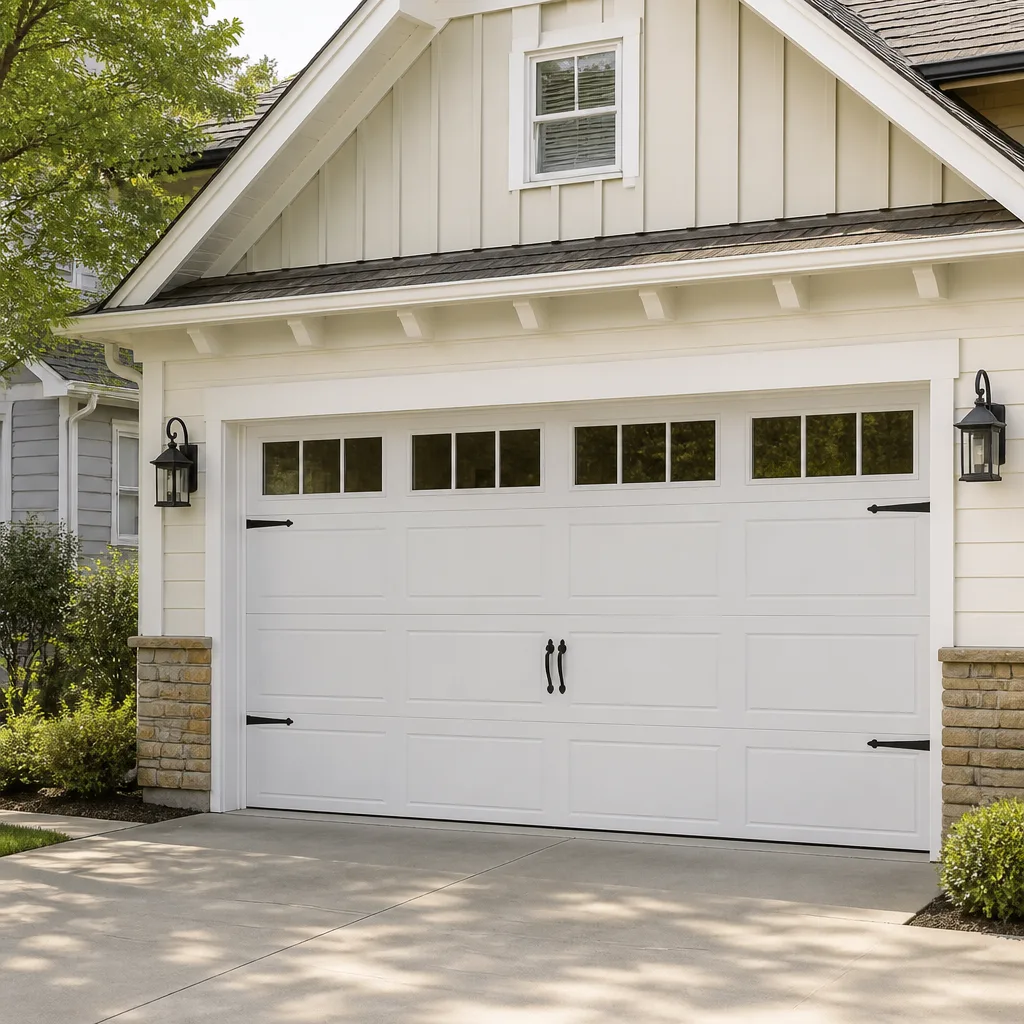 Chamberlain openers
Full 25-point door and opener safety check with every visit - springs, cables, rollers, tracks, and your LiftMaster or Chamberlain opener included
You get a price before we start. It does not change when the pro arrives.
Get your free estimateSeasonal Garage Door Care for Santa Rosa: Year-Round Homeowner’s Guide
Most garage door maintenance advice assumes a place with four tidy seasons, and Santa Rosa doesn’t have those. What we have is a dry fire season, a wet storm season, and two transition windows where the weather swings hard in a matter of weeks. October is the clearest example: wildfire season is winding down while the first real rain is lining up, and both hit your door’s seals, tracks, and springs from opposite directions. A calendar built for a Midwest climate will tell you to do the wrong things at the wrong time here. This guide lays out what actually matters month by month in Santa Rosa, which tasks you can safely handle, and which ones belong to a technician.
Quick Answer
The best seasonal garage door care in Santa Rosa follows a four-period calendar tied to local weather rather than the standard four seasons: a fire-season period (late spring through fall) when ash and dust load up your tracks and rollers, a storm-season period (roughly November through March) when water intrusion and wind load are the main threats, and two transition windows in fall and spring when rapid temperature change stresses seals and hardware. Clean and lubricate in the dry period, seal and inspect before the first atmospheric river, and leave spring tension and opener limit adjustments to a professional year-round.
Styles & brands we work with
- Raised-panel steel
- Carriage house
- Modern flush
- Full-view glass
- LiftMaster openers
- Chamberlain openers
Table of Contents
- Why Santa Rosa Needs a Four-Period Calendar, Not Four Seasons
- Fire Season: Managing Ash, Dust, and Particulate in Your Door
- Before the First Atmospheric River: Storm Prep Checklist
- Spring and Fall Transitions: The Seal Stress Window
- Which Tasks Are Safe to Do Yourself and Which Aren’t
- Opener Care Through the Year: What Changes and What Doesn’t
- Brand-Specific Wear Patterns We See in Santa Rosa
- The Full Santa Rosa Garage Door Calendar at a Glance
Why Santa Rosa Needs a Four-Period Calendar, Not Four Seasons
If you follow the generic “spring cleaning, fall tune-up” advice, you’ll miss the two moments that matter most for a garage door in Santa Rosa. The local climate operates in four distinct periods, and each one loads the door’s components differently.
- Fire season (roughly late spring through October): Dry air, ash, dust, and wind-blown particulate. This is when tracks, rollers, and hinges accumulate grit that grinds down moving parts.
- Fall transition (October into November): The shift from dry to wet. Seals that were baked all summer and then meet their first rain are the weak point.
- Storm season (roughly November through March): Atmospheric river events, sideways rain, wind load, and the occasional hard cold snap. Water intrusion and door flex are the concerns.
- Spring transition (roughly March into May): Rapid warming, day-to-day temperature swings, and the first dry heat. Seals and lubricants take another hit as temperatures climb.
The reason this matters: a garage door is a mechanical system with rubber, steel, and moving joints, and each of those materials responds differently to dry heat than to wet cold. Ash doesn’t hurt a door in the way water does, and water doesn’t hurt it in the way six months of dry grit does. Treating the two the same leaves gaps. The Santa Rosa homeowner who times maintenance to these four periods gets more out of a single Saturday of work than someone running the generic seasonal checklist twice.
Fire Season: Managing Ash, Dust, and Particulate in Your Door
Fire season is the period most Santa Rosa homeowners under-manage, and it’s the one where cleaning discipline pays off the most. Ash is abrasive. It’s also fine enough to work its way into places you can’t see, which is why a quick wipe-down doesn’t cut it.
Here’s the cleaning protocol that actually removes fire-season grit from your door system:
- Dry-brush the tracks first. Use a stiff nylon brush or a vacuum with a brush attachment. Ash and dust come up far better dry than they do wet, and dry brushing keeps the debris from turning into a paste that lodges in the track channels.
- Wipe the rollers and hinges with a damp cloth. Don’t soak them. The goal is to lift the fine film off the bearing surfaces, not to introduce moisture into the joints.
- Clean the weather seal along the bottom and sides. Ash settles into the folds of the bottom seal and hardens. A damp cloth and a soft brush clear it out.
- Lubricate after cleaning, never before. A silicone-based or white lithium lubricant on the hinges, rollers, and springs works. Never use WD-40 as a lubricant on a garage door; it’s a solvent, not a lasting lube, and it will attract dust.
- Check the photo-eye lenses at the bottom of the tracks. Ash film on the lenses causes intermittent safety reversals that look like opener failures. A quick wipe with a microfiber cloth fixes most of them.
In our experience across Santa Rosa, the homes most affected by fire-season buildup are the ones closest to open space and the ones where the garage door faces the prevailing wind. If you’re up in Fountaingrove or out toward Rincon Valley, add a monthly lens and track wipe to your routine between June and October. It takes ten minutes and prevents most of the small annoying failures that turn into service calls.
Before the First Atmospheric River: Storm Prep Checklist
The first real storm of the season is the one that finds every gap you didn’t know you had. Santa Rosa gets its rain in concentrated bursts, and a door that’s been dry for five months is suddenly being driven into by wind and water. Here’s what to check before that first atmospheric river arrives.
- Run your hand along the bottom weather seal. You’re feeling for cracks, hardened rubber, or gaps where the seal no longer meets the floor. If you can slide a piece of paper under it, water can get in.
- Inspect the side and top seals. The perimeter seal often gets overlooked because it doesn’t touch the floor. Look for peeling, tears, or sections that have pulled away from the frame.
- Check the door’s balance by hand. Disconnect the opener (most have a manual release cord) and lift the door halfway. It should hold position with light effort. If it drops or wants to rise on its own, the springs are out of balance and need professional attention before storm season.
- Look for rust or water staining on the tracks. Rust on the vertical track sections is a sign that water is reaching the hardware. Clean it up and identify where the water is entering.
- Clear the drainage in front of the garage. Water pooling at the door’s base is the fastest route to a rotted bottom seal and a rusted track. A cleared channel in front of the threshold goes a long way.
- Test the safety reverse. Place a small object (a roll of tape works) in the door’s path and close it. The door should reverse on contact. If it doesn’t, the opener’s force or limit settings need professional adjustment before the season.
If your door has a Clopay or Amarr steel panel construction, watch the bottom panel especially; the seal seam on a steel door is where water intrusion starts, and it’s easier to catch before the rainy season than after. The Santa Rosa storms aren’t long, but they’re intense, and a door that’s ready for the first one is usually ready for all of them.
Spring and Fall Transitions: The Seal Stress Window
The two transition periods are the ones most Santa Rosa homeowners skip, and they’re where the seal components take the worst beating. Rubber weather seals have a working temperature range. When the temperature swings from cool mornings to hot afternoons over a few weeks, the seals expand and contract repeatedly, and that’s when cracks start.
What to focus on during each transition:
- Fall transition (October into November): Inspect the bottom seal for hardening and small cracks. This is the seal’s last full check before the wet season, so replace it now if it’s failing. Check the seal’s attachment to the door; if it’s coming loose at the edges, it will flap in wind.
- Spring transition (March into May): Look for cracks that opened over the winter. Re-lubricate the hinges and rollers after the wet season, since storm-season moisture has diluted and spread the previous lube. Check the bottom seal again after the rains.
The other transition task that gets overlooked is the door panel inspection. Wood doors expand and contract with humidity changes, and Santa Rosa’s transition periods bring plenty of both. On a wood door, check for swelling at the panel seams and any paint failure that opens the wood to moisture. On a steel door, look for bubbling paint that could indicate rust forming underneath. Wayne Dalton and Clopay both make doors that handle this cycling well, but no door handles it without a yearly look.
This is also the window for checking the seal at the top of the door and the header. Rain driven at an angle gets in through the top gap more often than people expect, and a seal that’s pulled away is easy to miss until water is already in the garage.
Which Tasks Are Safe to Do Yourself and Which Aren’t
The single most important division in garage door care is between tasks that are genuinely safe for a homeowner and tasks that aren’t. Springs and opener limit adjustments belong firmly in the second category, and here’s why.
- Safe to do yourself: cleaning tracks, wiping rollers and hinges, cleaning photo-eye lenses, applying lubricant, inspecting seals, cleaning the door panels, clearing drainage, replacing a worn bottom seal on a door with a simple track-mounted seal.
- Do not do yourself: adjusting spring tension, replacing a torsion spring, adjusting or recalibrating an opener’s force and limit settings, replacing cables, and any work that requires the door to be held up by anything other than its springs and opener.
Garage door torsion springs are under extreme tension, and a spring that slips during adjustment can cause serious injury. There’s no safe homeowner version of this job. The same goes for the opener’s limit and force settings: an opener that’s set too forceful will fail to reverse on contact, and one that’s set too sensitive will reverse for no reason. Adjusting those settings is a calibration job, and getting it wrong means the safety reverse feature stops working. If you need a professional to handle it, our garage door repair service covers exactly this kind of work.
The other thing to know: on the newer smart-drive openers from LiftMaster and Chamberlain, the force and limit settings often pair with the wall control and the smartphone app. Recalibration is not just turning a screw on the back of the unit anymore. It’s a step-by-step process that varies by model, and it’s the kind of thing brand familiarity makes quick. That’s part of why we handle garage door opener repair as its own specialty rather than treating it as an add-on to door work.
Opener Care Through the Year: What Changes and What Doesn’t
Opener maintenance is a year-round job, but the emphasis shifts with the season. The mechanical parts (motor, drive, chain or belt) don’t care much about the weather. The electronics and sensors do.
What changes by period:
- Fire season: The safety photo-eyes and any exposed sensor wiring need monthly attention because ash and dust film builds up on the lenses. Check that the door reverses when the beam is broken; if it doesn’t, clean the lenses and try again.
- Storm season: Moisture and temperature swings can cause intermittent opener behavior. A door that reverses for no reason in the rain often has a sensor issue, not an opener failure. Check that the sensor brackets are aligned and that water isn’t pooling near them.
- Transitions: The opener’s force setting can feel “off” during a transition period because the door’s seals are stiffer in cold mornings and looser in warm afternoons. This isn’t usually a real problem; it’s the door responding to temperature. But if it persists, it’s worth a professional look.
- Year-round: Test the safety reverse monthly. That’s the single most important opener check you can do, and it takes thirty seconds.
On Craftsman and LiftMaster belt-drive openers, the belt’s tension can change a little with temperature, and that can produce a slight lag or a small noise that comes and goes. That’s usually not a failure. What is a failure is a grinding noise, a door that doesn’t fully close, or a remote that stops working without explanation. Those are the moments to call for a trained look rather than keep cycling the opener and hoping it sorts itself out.
If you’re not sure whether your opener issue is weather-related or mechanical, we can help. We work on LiftMaster, Chamberlain, Genie, and Craftsman openers as a dedicated part of our service, and we diagnose by the specific failure patterns of the brand. That’s Signal Garage Door Repair in practice: a specialist, not a generalist.
Brand-Specific Wear Patterns We See in Santa Rosa
Different door brands wear in different places, and knowing what to look for on your specific door saves time and money. These are the patterns we watch for in Santa Rosa weather:
Clopay and Amarr steel doors: These are common on Santa Rosa homes, and their weak point through the storm season is the bottom panel seam. The paint at the seam is the first thing to fail when water gets in, and once it does, rust starts. Keep the bottom seal in good shape and you’ll extend the door’s life significantly. Inspect the panel seam after every wet season.
Wayne Dalton doors: The torsion system on Wayne Dalton doors is a particular configuration, and the spring and cable alignment is worth checking in the spring after a wet winter. There’s nothing wrong with the design; it just benefits from a look at the right time.
Craftsman openers: The chain-drive and belt-drive units show up in a lot of older Santa Rosa homes, and their rail alignment is prone to drifting slightly with heat cycles. If your Craftsman opener sounds different in summer than it does in winter, that’s often the rail rather than the motor.
On any brand, the seasonal list stays the same: clean the tracks, inspect the seals, lubricate after cleaning, and check the balance by hand. The brand-specific stuff is what tells you where to look first.
The Full Santa Rosa Garage Door Calendar at a Glance
Here’s the whole calendar in one place, organized by period so you can pin it to the garage wall or save it on your phone. It’s built for the Santa Rosa climate, and it’s the same order we’d recommend if we were walking you through your own door.
- April through June (early fire season): Deep-clean the tracks, rollers, and hinges; lubricate after cleaning; test the safety reverse; inspect the perimeter seals.
- July through September (peak fire season): Monthly photo-eye lens wipe; monthly track wipe-down; check the bottom seal for hardening; listen for new noises from the opener.
- October (fall transition): Full seal inspection; replace any cracked or hardened seals; hand-balance check; pre-storm track inspection; clear drainage in front of the door.
- November through March (storm season): After each major storm, check for water intrusion at the bottom seal and door panels; test safety reverse; watch for rust on the tracks; listen for opener strain.
- March through May (spring transition): Post-winter lubrication; seal re-inspection; panel and paint check; opener calibration check if the door feels off.
If you do nothing else, do the October prep and the spring re-lube. Those two touch points cover the worst of the seasonal stress in Santa Rosa, and they’re the two that most homeowners skip.
Common Mistakes to Avoid
- Lubricating a dirty door. Applying lube over ash and grit turns the moving parts into a grinding paste. Always clean first, then lubricate. If you skip the clean step, you’ve made the wear worse, not better.
- Using WD-40 as the final word on a garage door. It’s a solvent and a light penetrating oil, not a long-term lubricant. Use a silicone-based or white lithium product, and use WD-40 only where the manual calls for it.
- Adjusting the opener’s limit or force settings without experience. This is the most common cause of safety reverse failures we see. It’s a professional calibration task, and the settings affect whether the door protects a person or a pet in its path.
- Skipping the October seal check because the door “looks fine.” A failing seal often looks intact from the outside. The check is the hand test, not the visual one.
- Ignoring small track damage until it becomes a door problem. A dented track will cause rollers to bind, and binding rollers wear out faster. A small bend early is a quick fix; a bent track left alone becomes a full track replacement.
- Assuming weather-related opener behavior is a sensor failure. A door that reverses in the rain or hesitates on a cold morning is often responding to temperature, not a defect. Test it again on a normal day before assuming it needs a repair.
- Treating a spring adjustment as a weekend project. It’s not. The springs are under severe tension and there is no safe homeowner version of that job.
See the difference
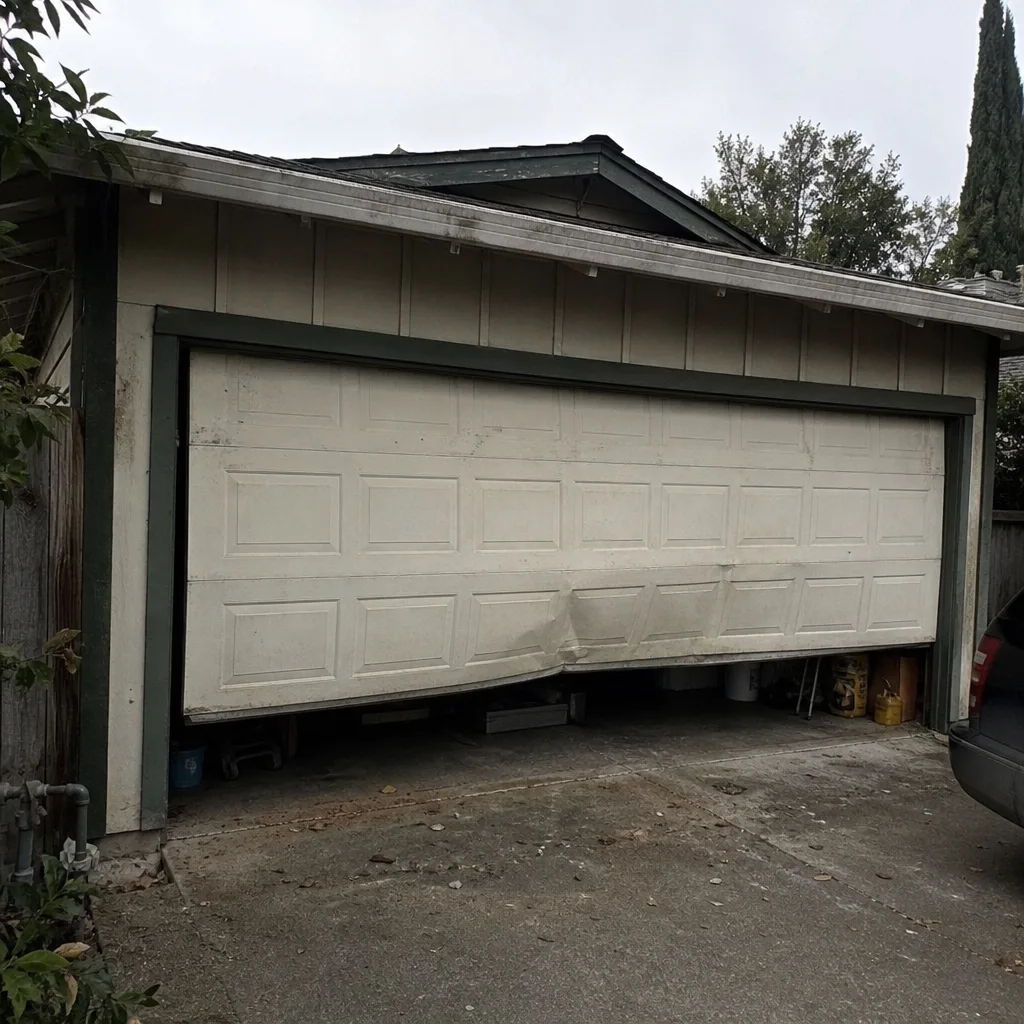 Before
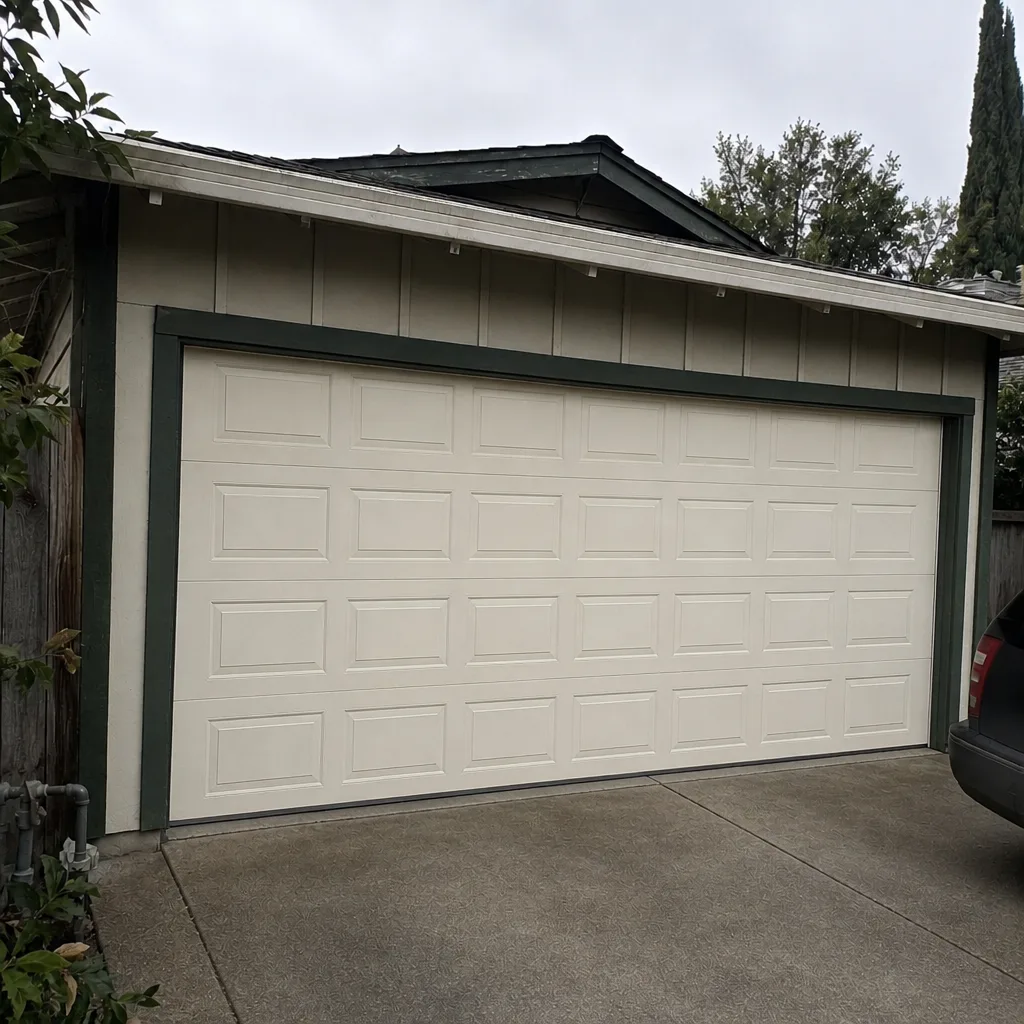 After
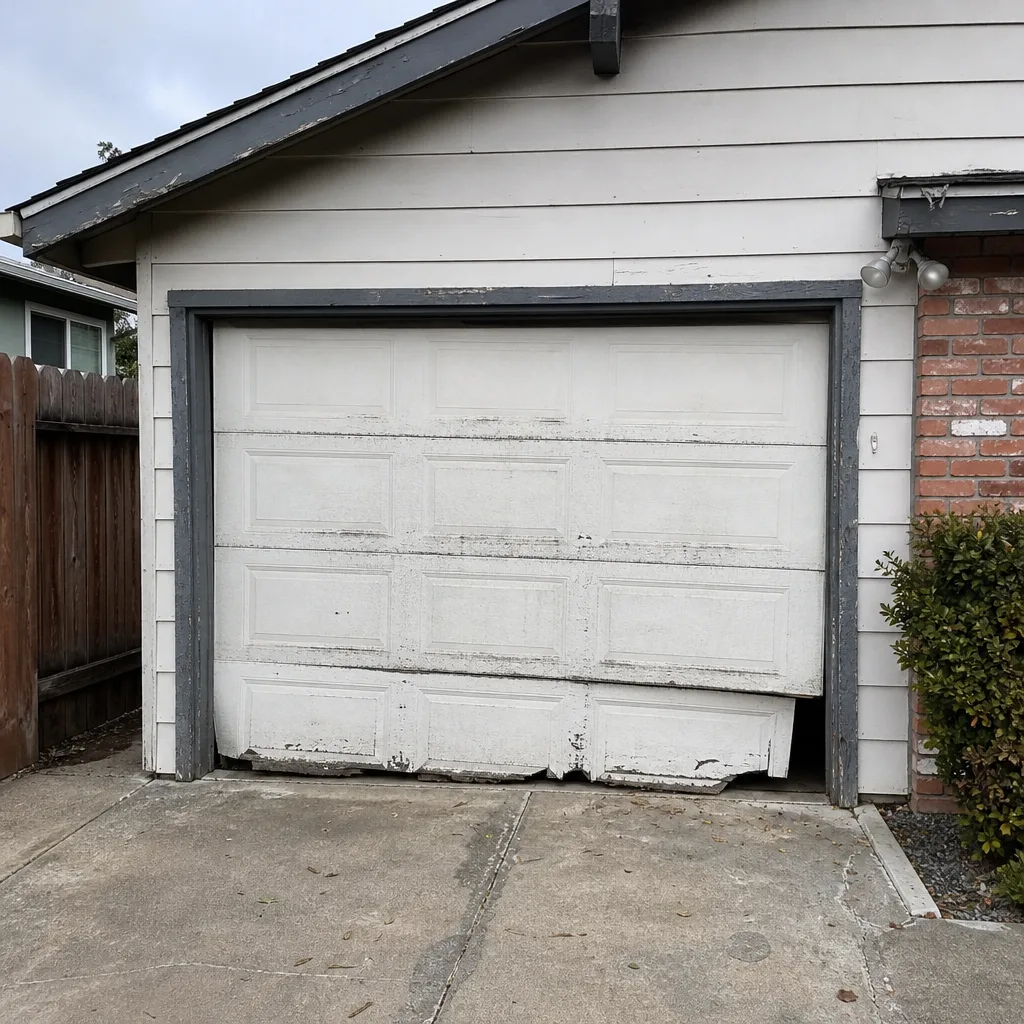 Before
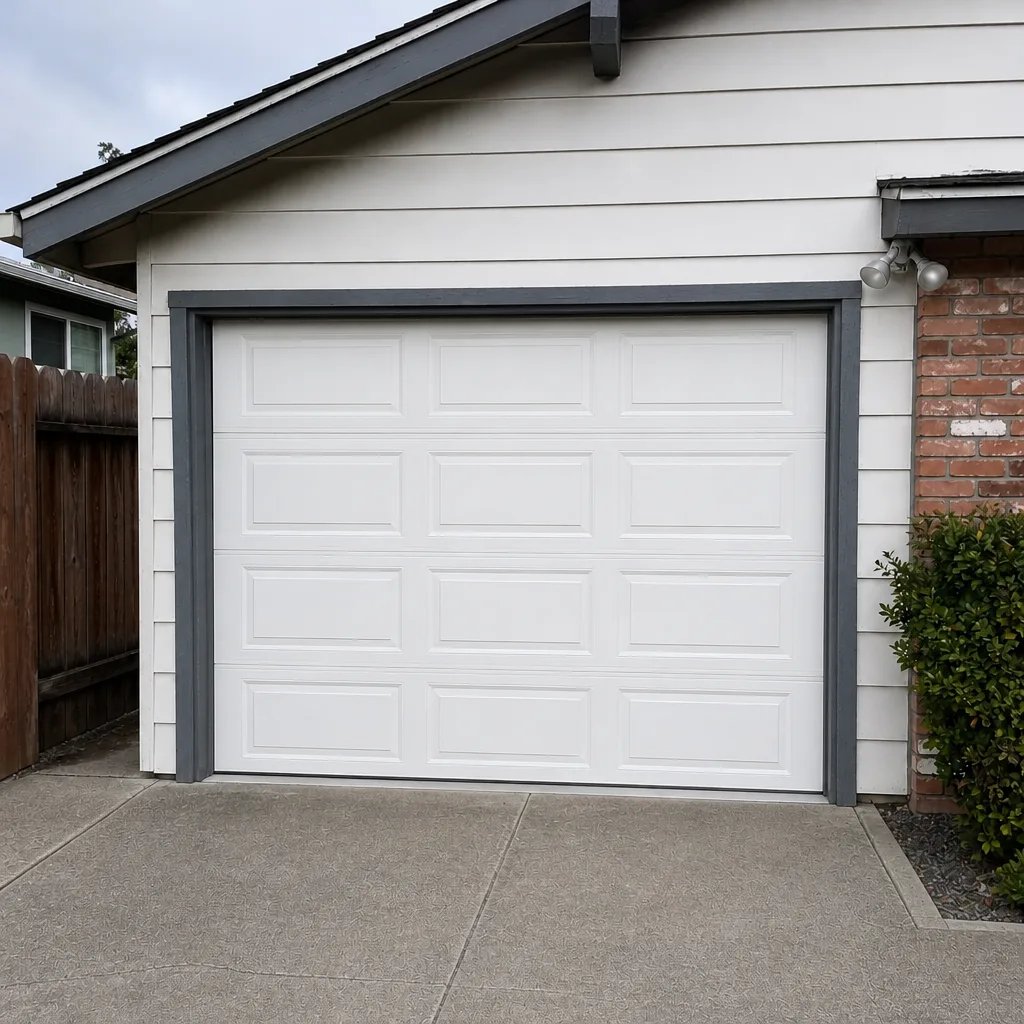 After
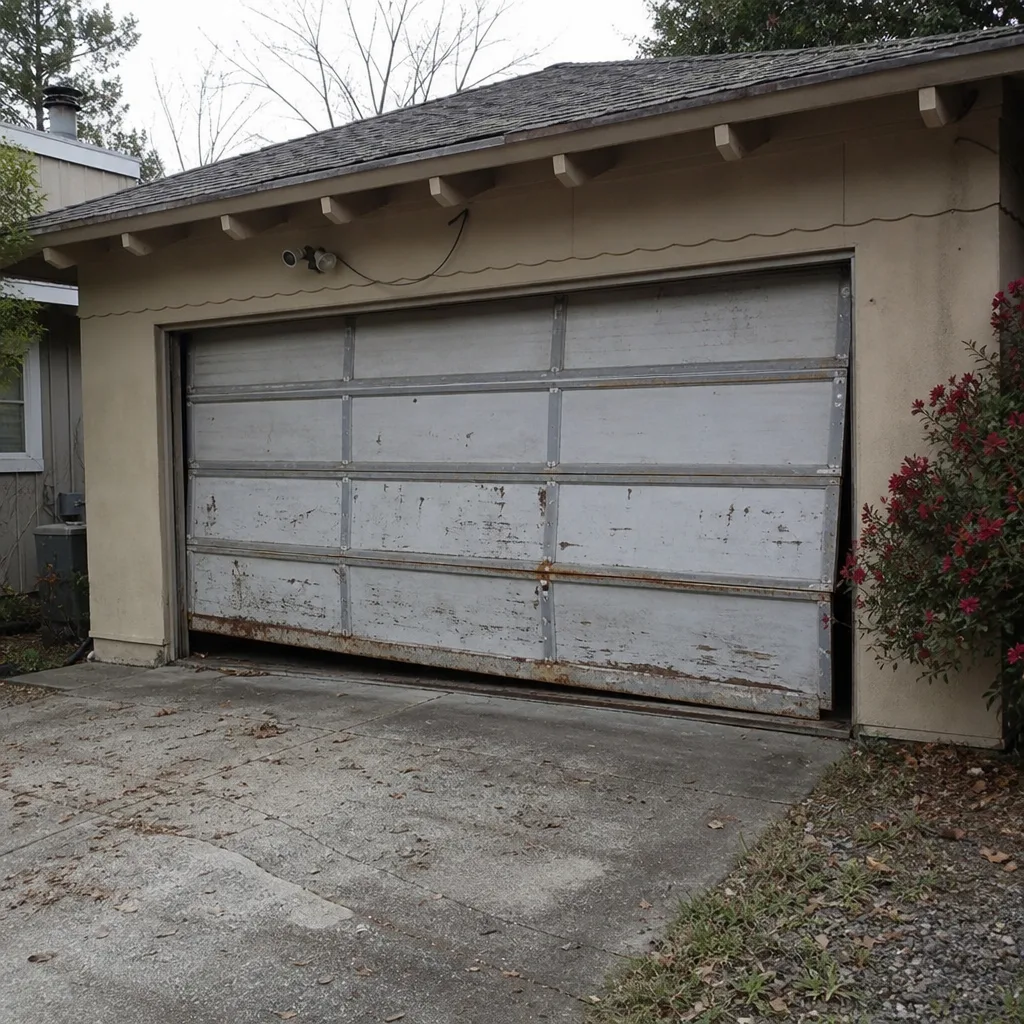 Before
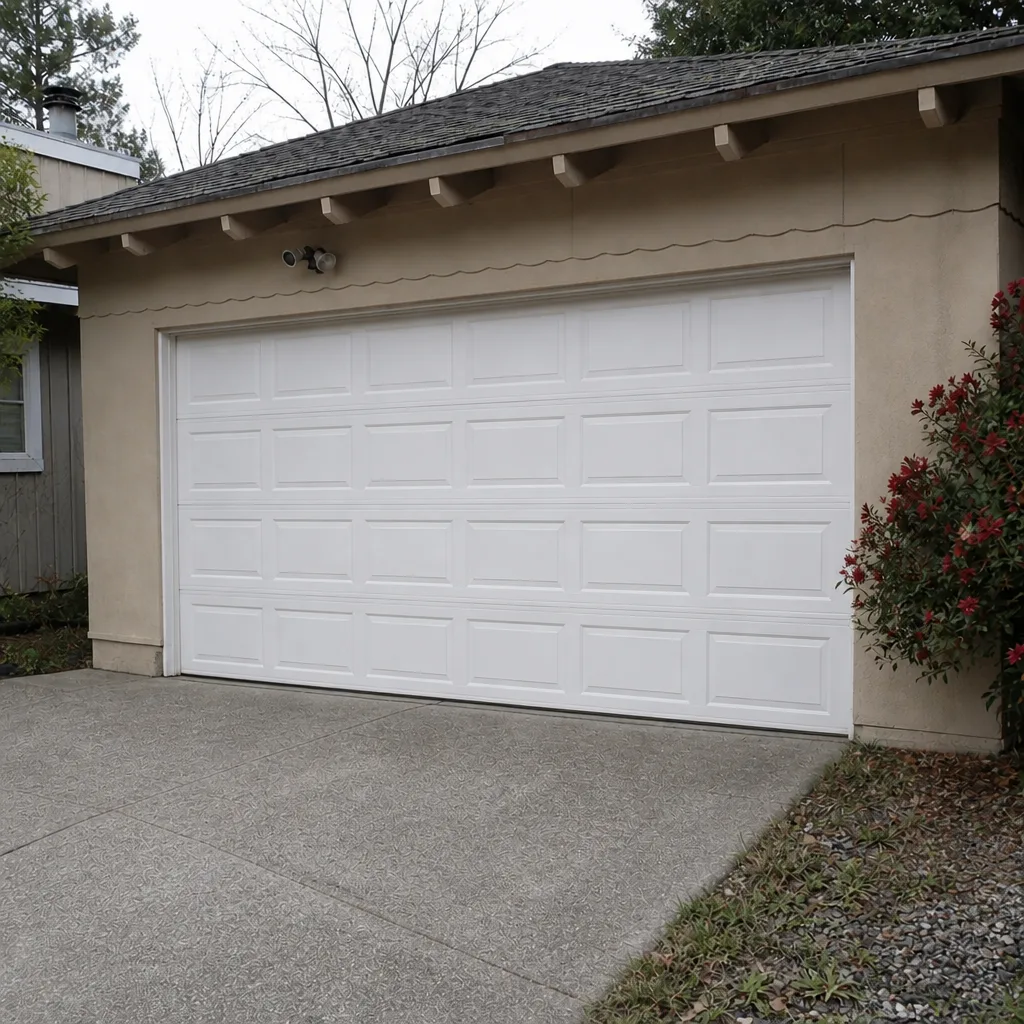 After
When to Call a Professional
Some seasonal tasks belong in your hands, and some absolutely do not. Call a technician if your door won’t balance when you lift it by hand, if it reverses for no reason and cleaning the photo-eyes didn’t fix it, if a spring breaks or the door comes down hard, if you hear a loud bang or a snap, if the door is visibly off-track, or if the opener’s limit and force settings need adjustment. The same goes for any spring or cable work, and for a full opener calibration if the door’s behavior changes and doesn’t correct itself. Signal Garage Door Repair offers free estimates in Santa Rosa. Call (844) 834-1851. We answer 24/7. Fast dispatch from 7am to 7pm, Sunday through Friday.
Frequently Asked Questions
Twice a year is the minimum, and the right timing is October and spring. The October check gets the door ready for the first atmospheric river, and the spring check clears out the wet-season wear and relubricates before fire season. Adding a monthly lens and track wipe during fire season keeps the small problems from turning into repairs.
Check the bottom seal, the side and top seals, the door’s hand balance, and the safety reverse. Those four cover the most common storm-season failures. Also clear the drainage in front of the door, since pooling water at the threshold is the fastest way to a rusted track and a rotted bottom seal. If the door doesn’t hold its halfway position when you lift it by hand, call a professional before the storms hit. Call (844) 834-1851 for a free estimate.
Cleaning tracks, wiping rollers and hinges, cleaning photo-eye lenses, and applying lubricant are all safe for a homeowner. Adjusting spring tension, replacing springs or cables, and recalibrating the opener’s limit and force settings are not. The springs are under extreme tension and a slip can cause serious injury, so leave those to a technician.
Rubber seals and metal parts change with temperature, so a door that’s slightly stiff on a cold morning and slightly loose on a warm afternoon is behaving normally. The tell that something needs attention is persistence: if the door reverses for no reason, doesn’t close all the way, or makes a grinding noise, that’s not a weather response. That’s a mechanical issue worth a look.
Ash itself doesn’t corrode components the way water does, but it’s abrasive. Ash that settles into the tracks and rollers turns into a grinding paste when it’s combined with lubricant or moisture, and that accelerates wear on all the moving parts. A monthly dry-brush and wipe during fire season is the best defense.
The core maintenance list is the same for every brand, but the wear points differ. Steel doors from Clopay and Amarr tend to show wear first at the bottom panel seam. Wayne Dalton torsion systems benefit from a spring alignment check in the spring. Craftsman openers can drift slightly out of rail alignment with heat. Knowing the brand helps focus your inspection, and a specialist can diagnose by those patterns rather than guessing.
The Bottom Line
Santa Rosa’s garage doors don’t live through four seasons; they live through a fire season, a storm season, and two transition windows, and the maintenance calendar should match. Clean and lubricate during the dry months, focus on seals and balance before the first atmospheric river, and re-inspect after the wet season ends. The DIY-safe tasks are cleaning, lubrication, inspection, and testing the safety reverse. The tasks that aren’t: spring tension, cable work, and opener limit and force adjustments. Do the October prep and the spring relube and you’ll get years more out of a door than the generic seasonal checklist would provide. For the parts you don’t want to handle yourself, a specialist with brand familiarity will get the diagnosis right the first time, not the second. Whether it’s a door repair or an annual look, our Santa Rosa team is here to help. Call (844) 834-1851 for a free estimate.
Written by the team at Signal Garage Door Repair.