
Last updated November 16, 2026
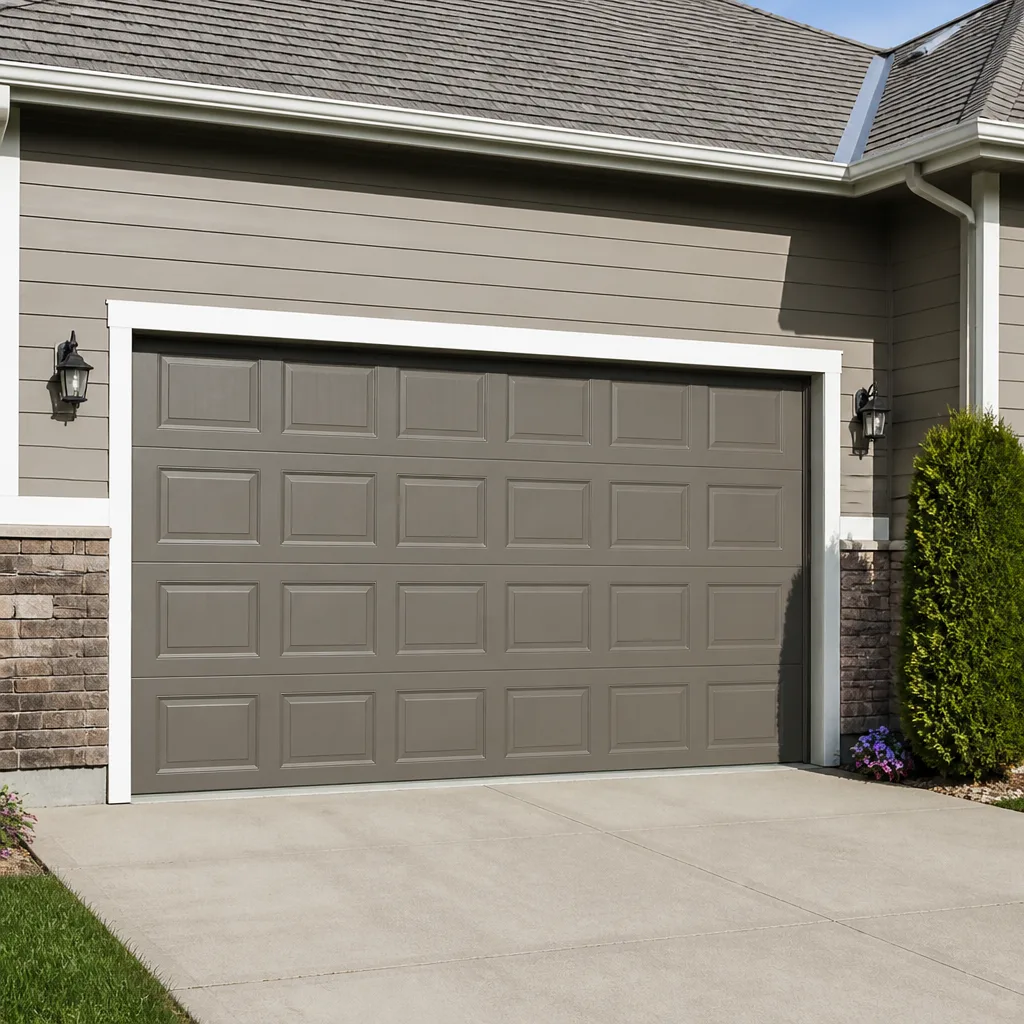 Raised-panel steel
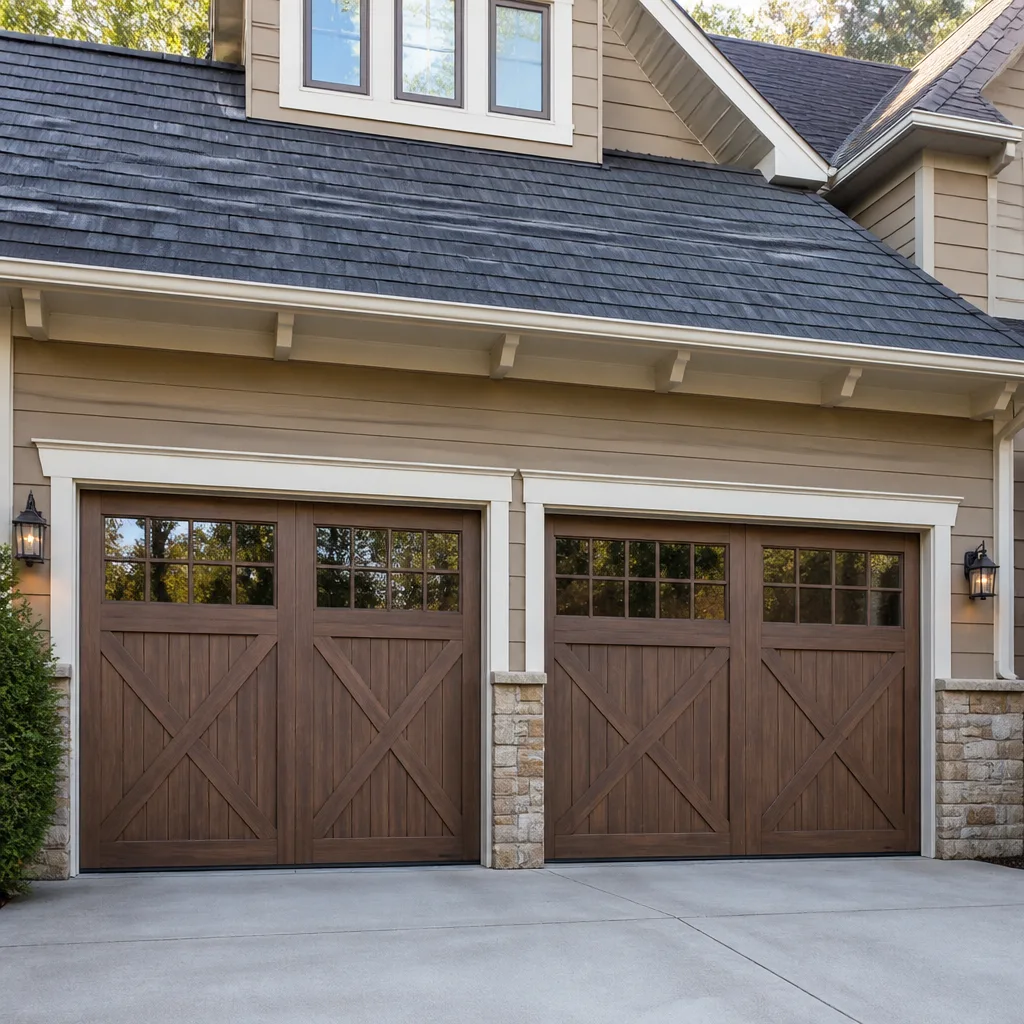 Carriage house
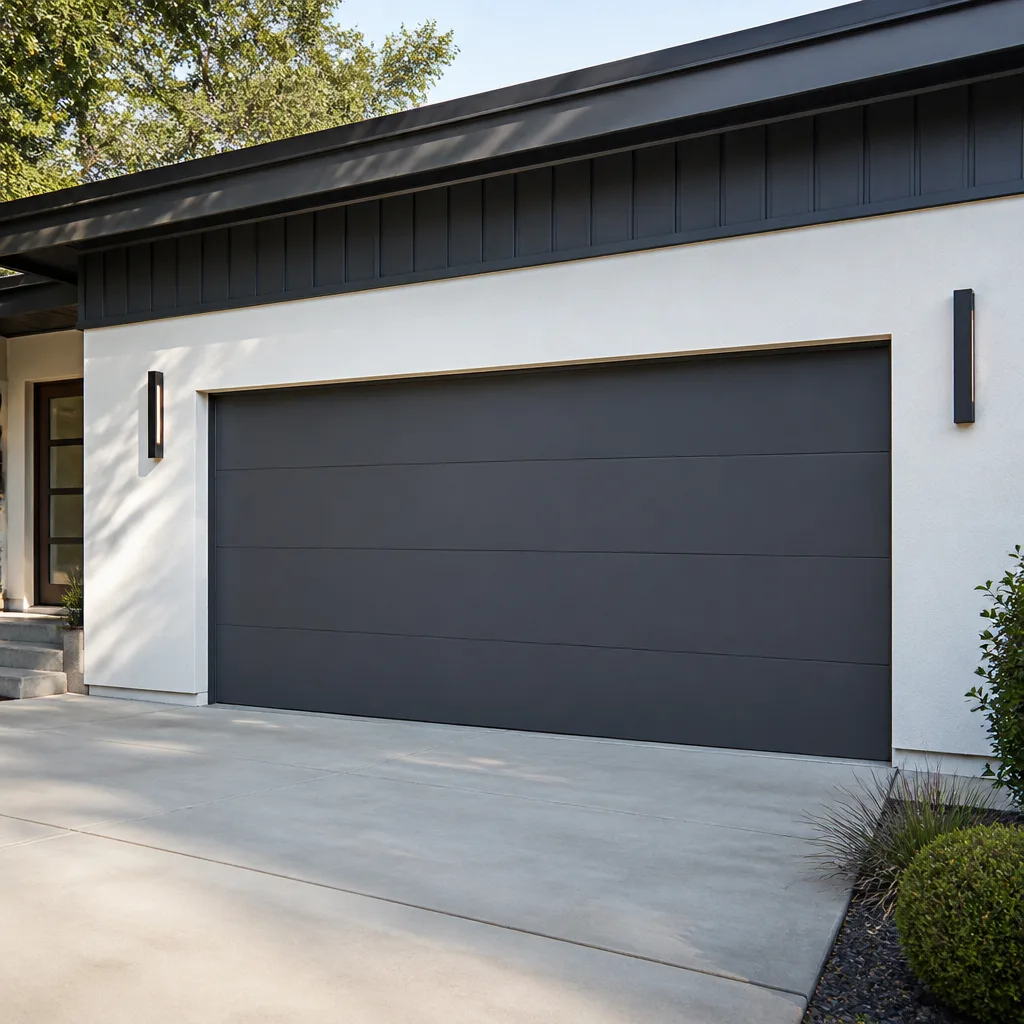 Modern flush
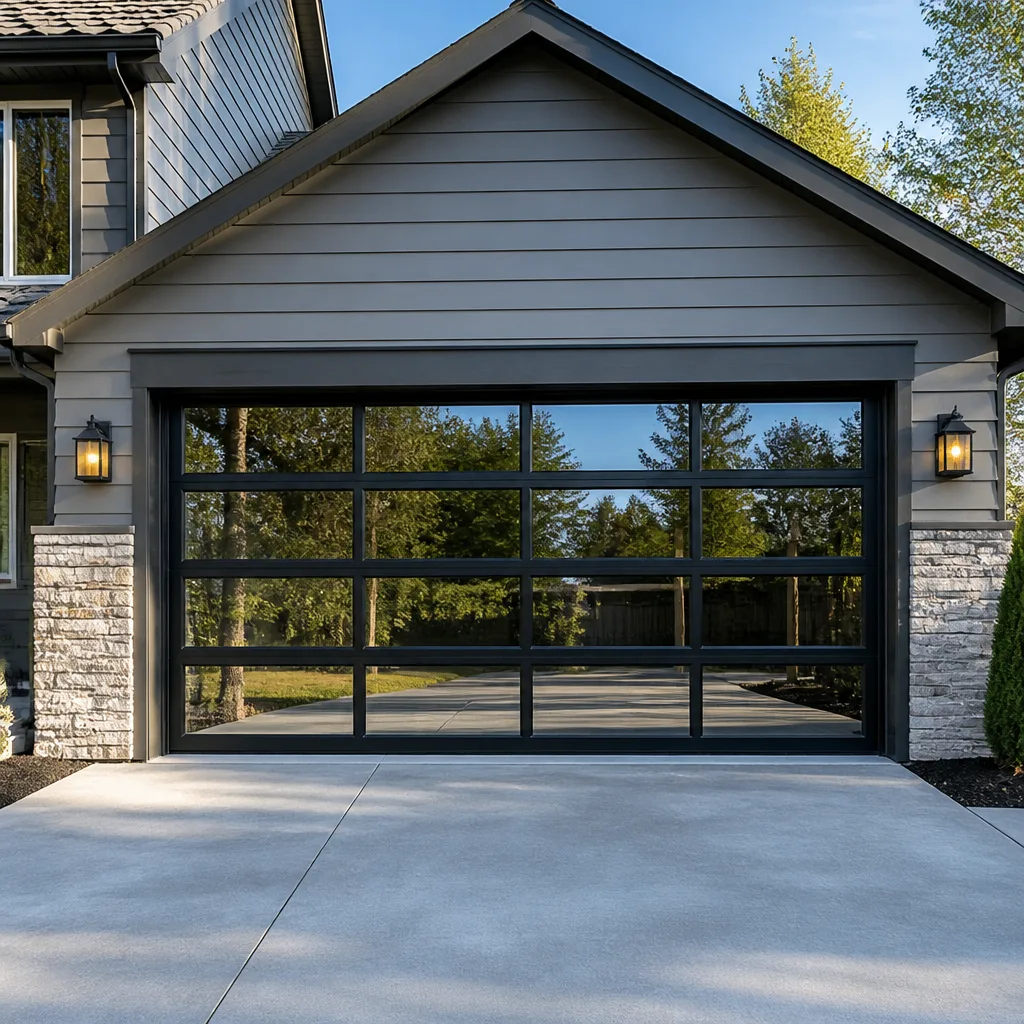 Full-view glass
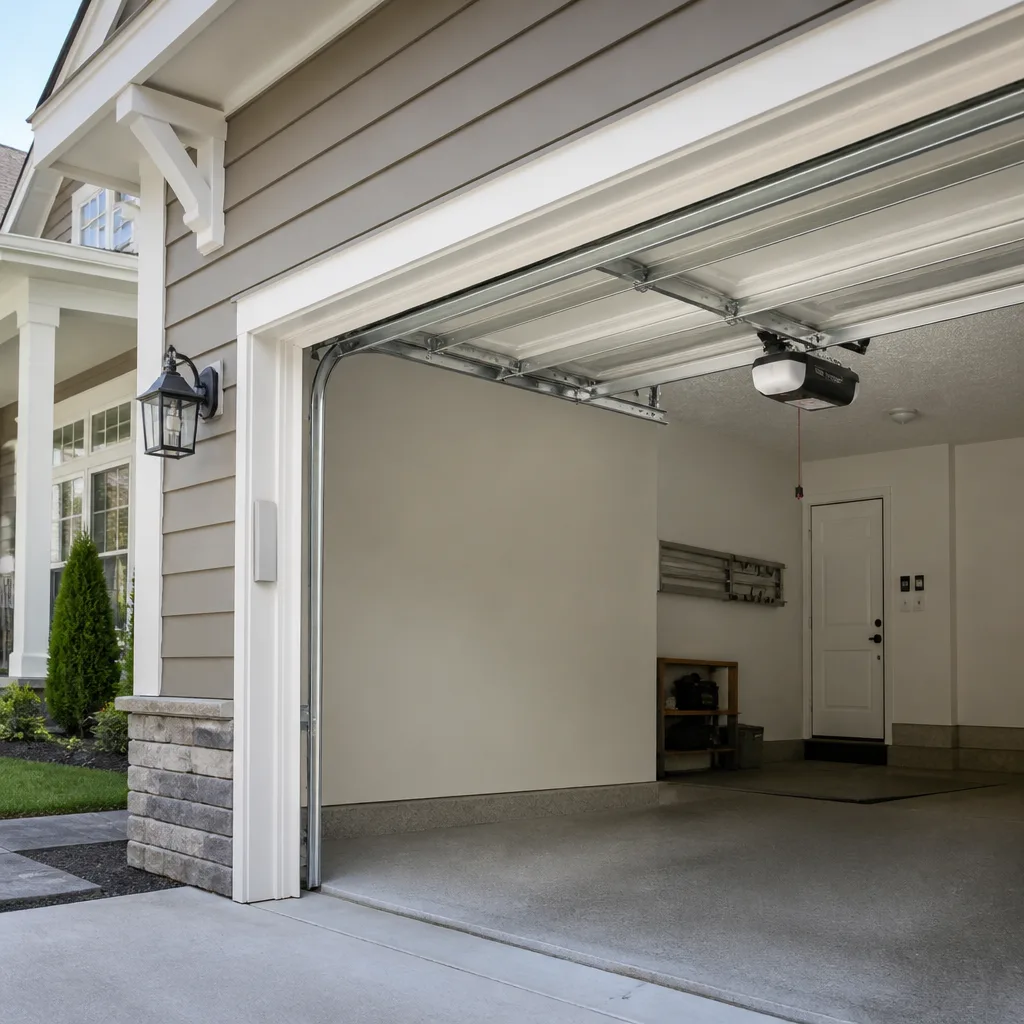 LiftMaster openers
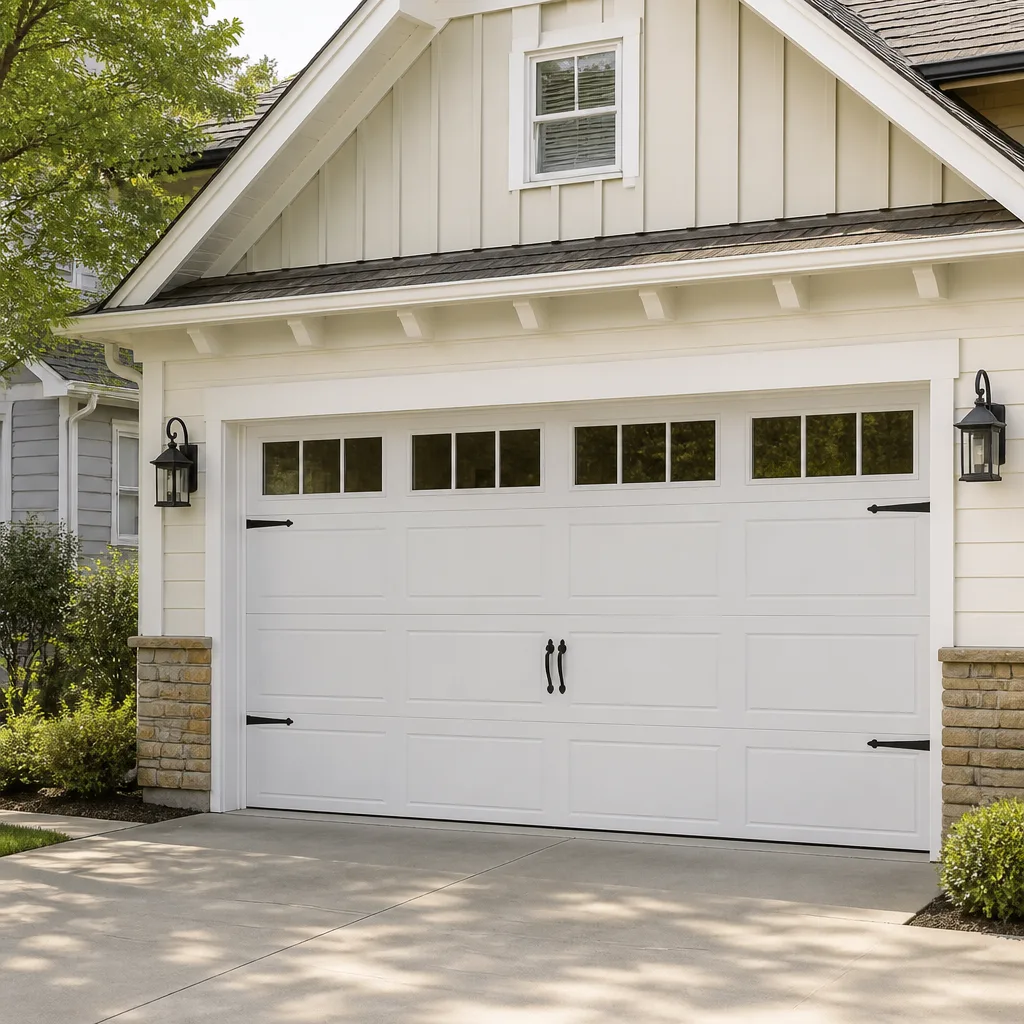 Chamberlain openers
Full 25-point door and opener safety check with every visit - springs, cables, rollers, tracks, and your LiftMaster or Chamberlain opener included
You get a price before we start. It does not change when the pro arrives.
Get your free estimateThe Complete Guide to Garage Doors in Santa Rosa
Most Santa Rosa homes were built between 1960 and 1990, which means a large share of the garage door systems in this city are still running on hardware engineered before modern safety standards existed. That single fact shapes almost everything in this guide. A door that opens and closes is not the same as a door that is safe, sealed against the North Bay’s wet winters, and matched to the way your house was actually built. We’re going to walk you through the full picture for Santa Rosa homeowners: how local climate and housing stock change what you should buy, why post-2017 wildfire rebuild homes have different code baselines than pre-fire properties, and how to think about lifecycle cost across springs, openers, panels, and weather seals.
Quick Answer
The right garage door for a Santa Rosa home depends on three things: when your house was built, how much moisture and heat swing the door faces, and whether you’re repairing an existing system or starting fresh. An insulated steel door with a modern opener handles most Santa Rosa properties well, while post-2017 rebuild homes may need to meet newer code baselines. Budget for a free written estimate on any repair or replacement rather than a one-size price, and plan on replacing springs and openers within a 10-to-15-year horizon.
Styles & brands we work with
- Raised-panel steel
- Carriage house
- Modern flush
- Full-view glass
- LiftMaster openers
- Chamberlain openers
Table of Contents
- How Santa Rosa’s Housing Stock Shapes Your Door Choices
- What the North Bay Climate Does to Garage Doors
- Wildfire Rebuild Homes and Different Code Baselines
- Steel vs. Wood Composite vs. Aluminum: What Holds Up Here
- Why Brand Fluency Gives You More Options
- The Lifecycle Cost Framework: 10 to 15 Years
- Repair or Replace? A Step-by-Step Decision
- Maintenance That Actually Matters in Santa Rosa
How Santa Rosa’s Housing Stock Shapes Your Door Choices
The average garage door in Santa Rosa is older than the homeowner assumes. A house built in 1965 with an original door has a system that predates the safety standards we take for granted today – meaning it likely lacks the photo-eye sensors and auto-reverse function required on doors installed later. A house built in 1988 might still have the same opener it shipped with. Neither of those is a problem until it is, but knowing the age of your system changes what you should do next.
Here’s what the build year actually tells you:
- Built before 1980: Expect non-insulated wood or early steel panels, and an opener without modern safety reversing. Plan for eventual replacement of both door and opener.
- Built 1980 to 1995: Likely a steel door with a chain-drive opener. Panels may be serviceable, but springs and openers are often at or past their expected life.
- Built 1995 to 2010: Better insulation, more likely a belt-drive or screw-drive opener, though springs still need replacement every decade or so.
- Built after 2017 (including rebuilds): Newer code baselines, modern safety features, and a system that should be evaluated against current standards rather than the standards of the 1980s.
If you don’t know when your door or opener was installed, the data plate on the opener is the fastest way to find out. That plate also tells a technician which brand they’re looking at – LiftMaster, Chamberlain, Genie, or a legacy unit – and that changes the diagnostic approach. Whether you’re dealing with a garage door repair or planning a full replacement, the build year is the first thing we ask.
What the North Bay Climate Does to Garage Doors
Santa Rosa sits in a climate band that’s harder on garage doors than most of California. Winters bring steady moisture and damp air, while summers push inland heat swings that can bake a south-facing door by afternoon. That combination – wet then hot, wet then hot – is what accelerates wear on wood, seals, and painted steel panels. It’s not the extremes that kill a door here; it’s the cycling.
Here’s how that shows up in practice:
- Wood doors absorb moisture in winter and dry out in summer. Without regular sealing, that cycle opens cracks and warps panels over time.
- Bottom weather seals harden faster in a climate with real heat swings, which lets debris and moisture into the track and can throw off the door’s balance.
- Steel panels handle the swing better than wood, but paint chips and small dings are entry points for surface rust in a wet winter.
- Springs and hinges see more seasonal friction, which is why annual lubrication in Santa Rosa is not optional maintenance.
This is one big reason we don’t treat Santa Rosa like a dry-inland or a coastal market. The local climate is its own thing – wet enough to matter, hot enough to stress the materials, and swinging enough that a proper weather seal and a well-insulated door pay for themselves over the life of the home.
Wildfire Rebuild Homes and Different Code Baselines
If your home was rebuilt after 2017, your garage door may be governed by a different code baseline than a pre-fire property on the same street. That’s not a small detail. Rebuilds often had to meet updated fire-resistance, ember-resistance, and structural requirements that older homes were never held to. A garage door on a rebuild is not just a door – it may be part of the code-defined envelope of the home.
What this means for you:
- Check your rebuild permits. Your permit file and final inspection record establish what your door was required to meet. That record is your baseline.
- Ask your city’s building department before you replace. A like-for-like replacement may be straightforward, while a different door style or rating may need review. We don’t provide code interpretations – the building department does.
- Match the door to the property, not the neighbors’. A pre-fire home next door doesn’t set the standard for a rebuild, and a rebuild doesn’t set the standard for a pre-fire home.
- Keep documentation. When you sell, a rebuild-era garage door with proper paperwork is easier to explain than one without.
This is one of the areas where a specialist who works in Santa Rosa matters most. A generalist won’t know your rebuild history from the door itself, and won’t ask the right questions about code baselines before quoting a replacement.
Steel vs. Wood Composite vs. Aluminum: What Holds Up Here
Across Santa Rosa’s climate swings, insulated steel wins for most homeowners. It holds its shape through the wet-then-hot cycle, resists warping, and holds paint well when chips are addressed. Wood composite runs a close second for character and looks, but it needs more attention. Aluminum performs best in specific conditions – light weight, rust resistance, and low maintenance – but it dents more easily and often lacks the insulation most homeowners want.
Here’s how the three compare in this market:
- Insulated steel: Best all-around for Santa Rosa. Handles moisture swings, keeps the garage cooler in summer and warmer in winter, and holds up to daily use. Most common choice for replacements.
- Wood composite: Good for homes where the door is part of the curb appeal. More moisture-sensitive than steel, so the bottom seal and paint maintenance matter more. Needs annual inspection.
- Aluminum: Lightweight and rust-resistant, but dents in high-use driveways. Often better on a stable, single-car door than a double door with regular traffic.
We work with Clopay and Amarr among our brand list, and both offer steel and composite options that handle the Santa Rosa cycle well. The right answer usually comes down to how much time you want to spend on maintenance and how much the door contributes to the house’s look – not just what the door costs.
Why Brand Fluency Gives You More Options
A specialist who knows LiftMaster, Chamberlain, Genie, and other major brands by system gets you further than a generalist who recommends whatever’s in the truck. Brand fluency means specific failure patterns, specific parts, and specific fixes – not guesswork. When a LiftMaster opener won’t reverse, the diagnostic path is different than when a Chamberlain unit won’t respond to the remote. Knowing the brand changes the first five minutes of the job.
Here’s what brand fluency looks like in practice:
- Diagnosed, not guessed. A technician who knows the brand’s known failure points can rule out half the possibilities before opening the housing.
- Parts availability. A specialist knows which brands and models have replacement parts available quickly and which require longer lead times.
- Honest comparison. A specialist who works across multiple brands can tell you whether a repair is worth it or whether a newer opener from a different line makes more sense.
- Legacy brand support. Older Craftsman and Genie openers still in service across Santa Rosa homes are not orphaned if you work with someone who knows them.
We work on your brand across our confirmed list, and this is why garage door opener repair is a distinct specialty for us. The opener is the brain of the system. Understanding the brand is how you make sure the door goes back on signal without a return visit.
The Lifecycle Cost Framework: 10 to 15 Years
Install price is the number everyone asks about and the number that matters least over the life of the door. What matters is the whole cost across a 10-to-15-year horizon: springs, opener, panels, weather seal, and the occasional repair. A door that’s $400 cheaper up front but needs an opener replacement at year six is not the cheaper door.
Here’s the framework we use:
- Springs: Typically the first major replacement. Cycle life, not years, drives this. Expect at least one spring replacement in a 10-to-15-year window, often a matched pair.
- Opener: Chain-drive openers often last the longest; belt-drive openers run quieter but the belt is a wear item. A modern opener replacement at year 8-12 is common.
- Panels: One or two panel replacements over 10-15 years is normal if the door sees heavy use or a light bump. Full replacement is rarely worth it before the hardware is spent.
- Weather seal: The bottom seal is the cheapest part and the most important one to keep on schedule. It’s what protects the door’s interior from the wet-season swing.
- Repairs: A well-maintained system needs one or two minor repairs in that window. A neglected one needs many more.
We won’t quote a price over the phone. The written estimate is the price, and it’s free. That’s how we keep the lifecycle math honest: you see the number before anything starts, and nothing changes once the work is underway.
| Item | When to Expect It | Notes |
|---|---|---|
| Bottom weather seal | Every 3-5 years | Cheapest part; most important for moisture protection |
| Springs (one) | Cycle-dependent | Matched pairs usually replaced together |
| Opener (belt-drive) | Year 8-12 | Belt is a wear item |
| Opener (chain-drive) | Year 10-15 | Typically longer-lived |
| Panel replacement | As needed | Single panel is usually cheaper than full replacement |
| Full door | 15+ years or after major damage | Only when hardware and panels are both spent |
Every range above is typical, not exact. A written estimate on your specific door is the only way to know. Call (844) 834-1851 for a free estimate. We answer 24/7. Fast dispatch from 7am to 7pm, Sunday through Friday.
Repair or Replace? A Step-by-Step Decision
Most Santa Rosa homeowners lean toward replacement before they need to. A well-built door that’s 15 years old and still opening smoothly doesn’t need to be replaced just because of age. The decision comes down to a few concrete questions.
- How old is the opener, and does it still have parts support? If the opener is on an unsupported line, replacement is usually the right call. If it’s a well-supported brand like LiftMaster or Chamberlain, repair often wins.
- Are the panels damaged or just stained? Stained panels clean or repaint. Dented or warped panels replace individually. Full replacement is rarely justified by panel damage alone.
- Have springs failed more than once in the last five years? Repeated spring failures can indicate the door is out of balance, which points to a deeper issue worth a full evaluation.
- Does the door seal against the weather? If you can see light or feel air coming under the door, a new weather seal is a lot cheaper than a new door. Start there.
- Is the door safe by modern standards? A door without auto-reverse and photo-eye sensors should be updated. This is not optional in Santa Rosa, where a lot of homes still have the original system.
- Does the door match the way you use the garage? A door that’s making the garage unusable in summer or causing noise issues may be a case for replacement, even if the hardware is sound.
If you’ve worked through the list and it’s leaning toward replacement, that’s a measured, scheduled job – not a same-day job. We take measurements, order the door, and schedule the install. The written estimate is yours before any work starts. If you’ve worked through the list and it’s leaning toward repair, we can often get to it fast.
Maintenance That Actually Matters in Santa Rosa
Annual maintenance in this climate isn’t optional, and it isn’t complicated. The climate swings here are what cause most of the failures we see: springs under more seasonal strain, seals that dry out and crack, hinges that need lubrication more often than they get it. The list below is the routine that keeps a Santa Rosa door running long-term.
- Lubricate every hinge, roller, and pivot point once a year. Use a garage-door-specific lubricant, not general household oil. This is the single best thing you can do for the door’s lifespan.
- Inspect the bottom weather seal each season. If it’s cracked or not touching the floor evenly, replace it. This is what keeps moisture and debris out of the track.
- Test the auto-reverse monthly. Lay a small object on the floor and check that the door reverses on contact. If it doesn’t, stop using the door and call for service.
- Check the balance every few months. Disconnect the opener and lift the door by hand halfway. It should stay put without help. If it doesn’t, the springs are out of balance.
- Wipe down and touch up any panel chips. Small paint chips become surface rust in a wet North Bay winter. Catching them early is cheaper than a panel replacement.
One safety note that matters: garage door springs and cables are under high tension and can cause serious injury if handled incorrectly. We don’t recommend testing, adjusting, or replacing springs yourself, and a real technician won’t suggest it. Call a trained professional for anything involving springs, cables, or the counterbalance system.
Common Mistakes to Avoid
- Judging the door by appearance. A door that opens smoothly can still have springs at the end of their cycle life. If the springs haven’t been replaced in a decade, plan for it – don’t wait for the failure.
- Ignoring the post-2017 rebuild code baseline. A rebuilt home in Santa Rosa may be governed by different code requirements than a pre-fire property. Check your permit file and ask your city’s building department before replacing.
- Buying a door for looks alone. A wood composite door that needs annual sealing is a different commitment than a steel door that doesn’t. Match the material to how much maintenance you’ll actually do.
- Letting one brand bias the decision. If you’re told your only option is a single brand, ask why. A specialist across LiftMaster, Chamberlain, Genie, and the others should be able to lay out real alternatives.
- Skipping the written estimate. Verbal ballparks change once the door is opened. The price should be quoted and agreed before any work starts, not after.
- Treating the bottom seal as optional. It’s the cheapest part on the door and the one that keeps the wet-season moisture out of the track and the interior. Replace it on schedule.
- Assuming same-day service for a replacement. Repair is often fast; replacement is measured, ordered, and scheduled. That’s not a delay – it’s how the job stays within the written estimate.
See the difference
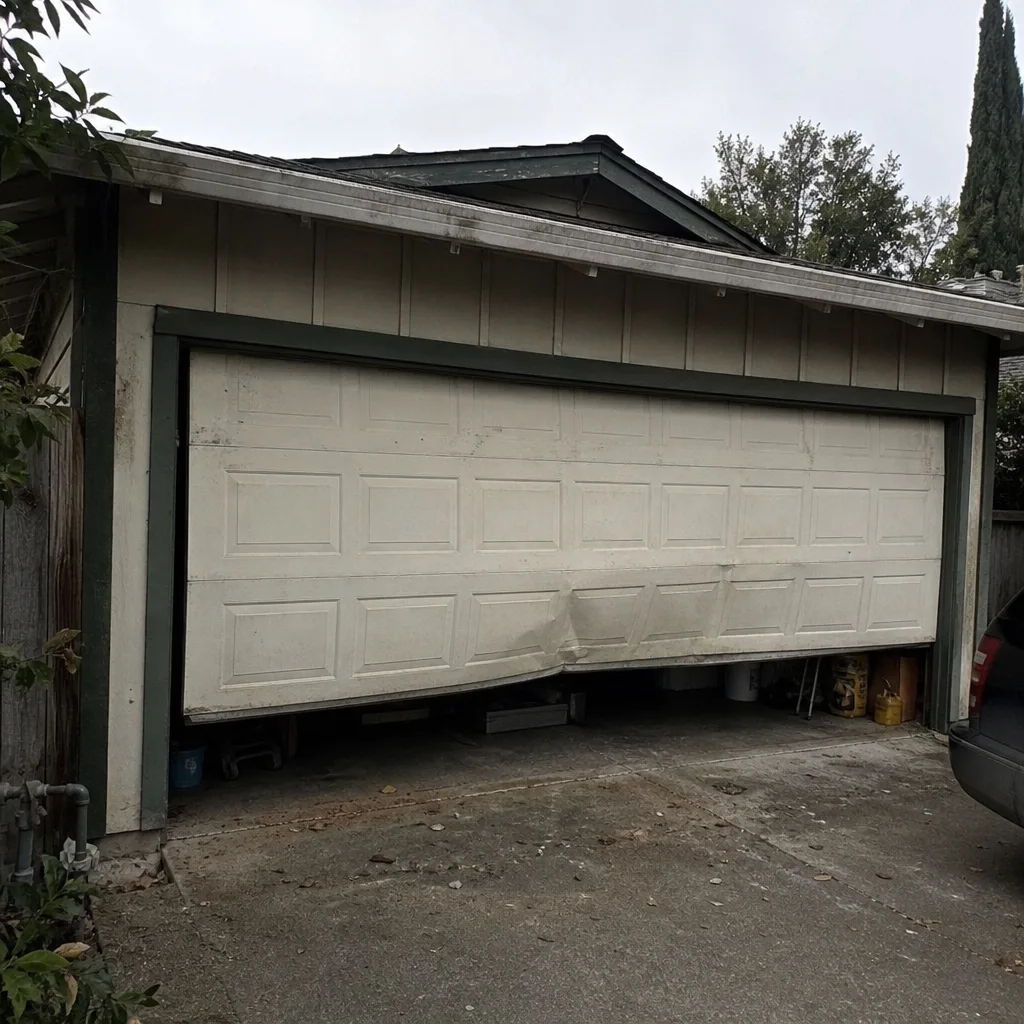 Before
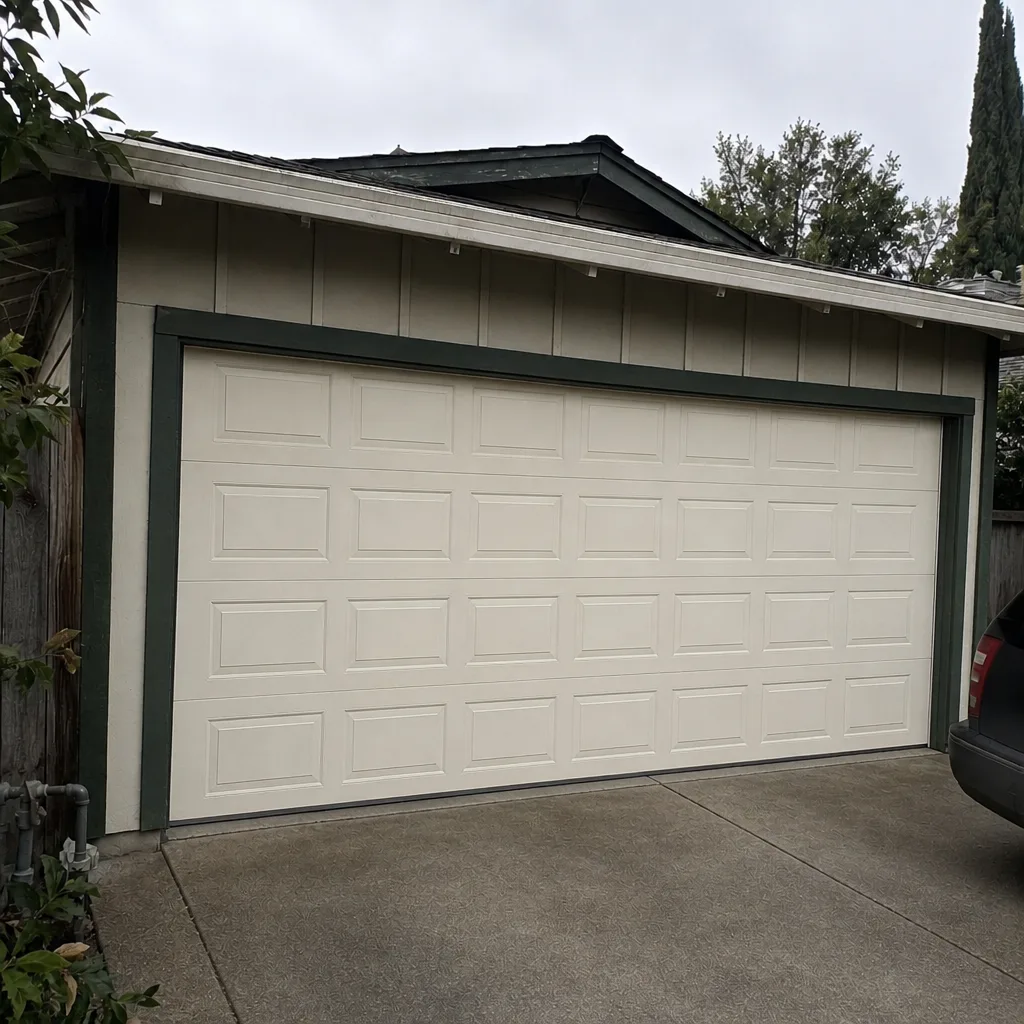 After
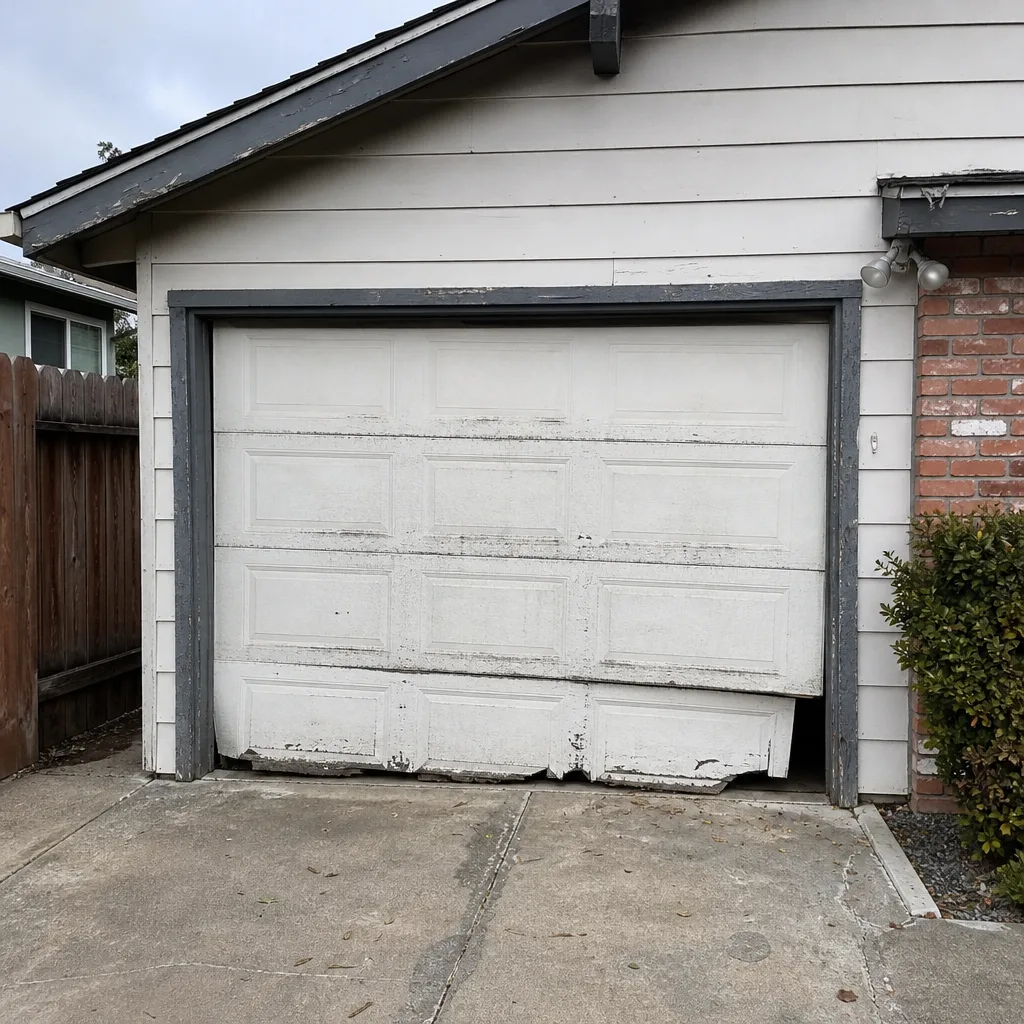 Before
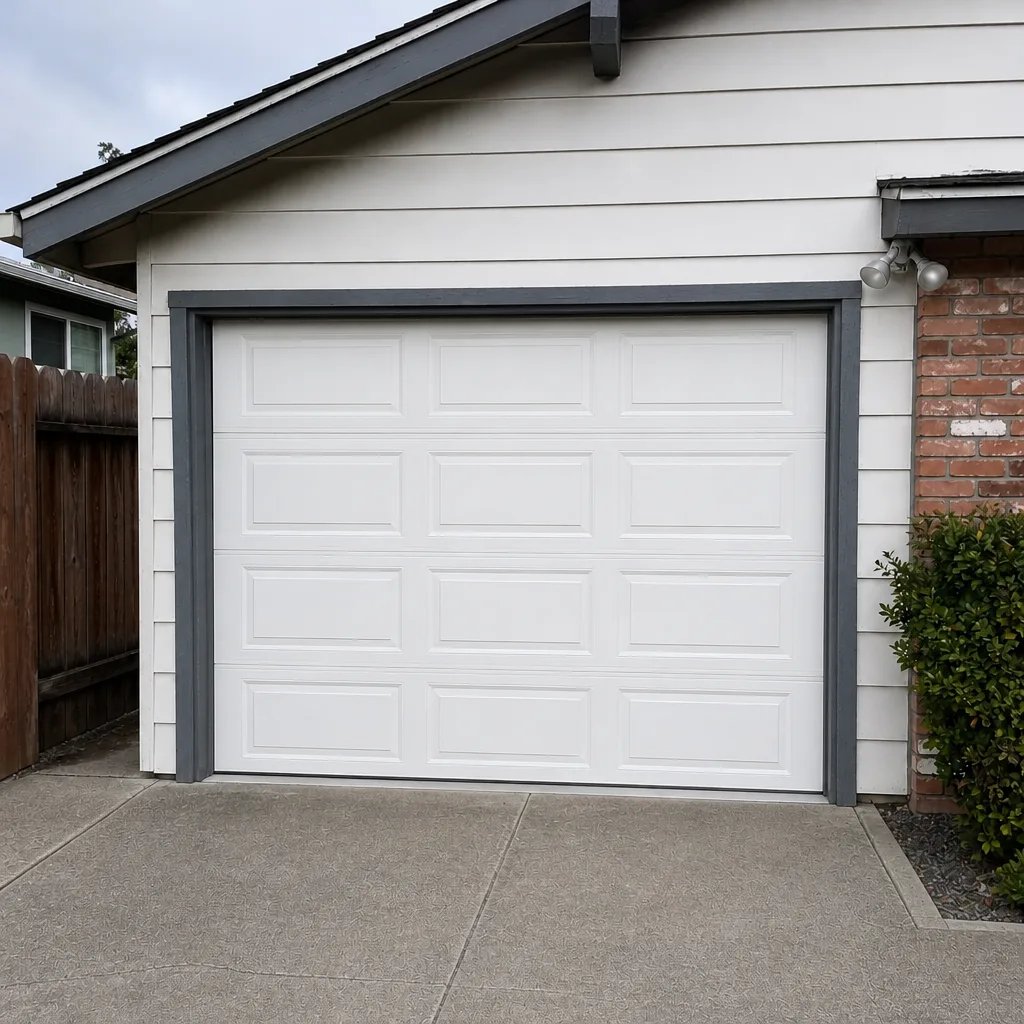 After
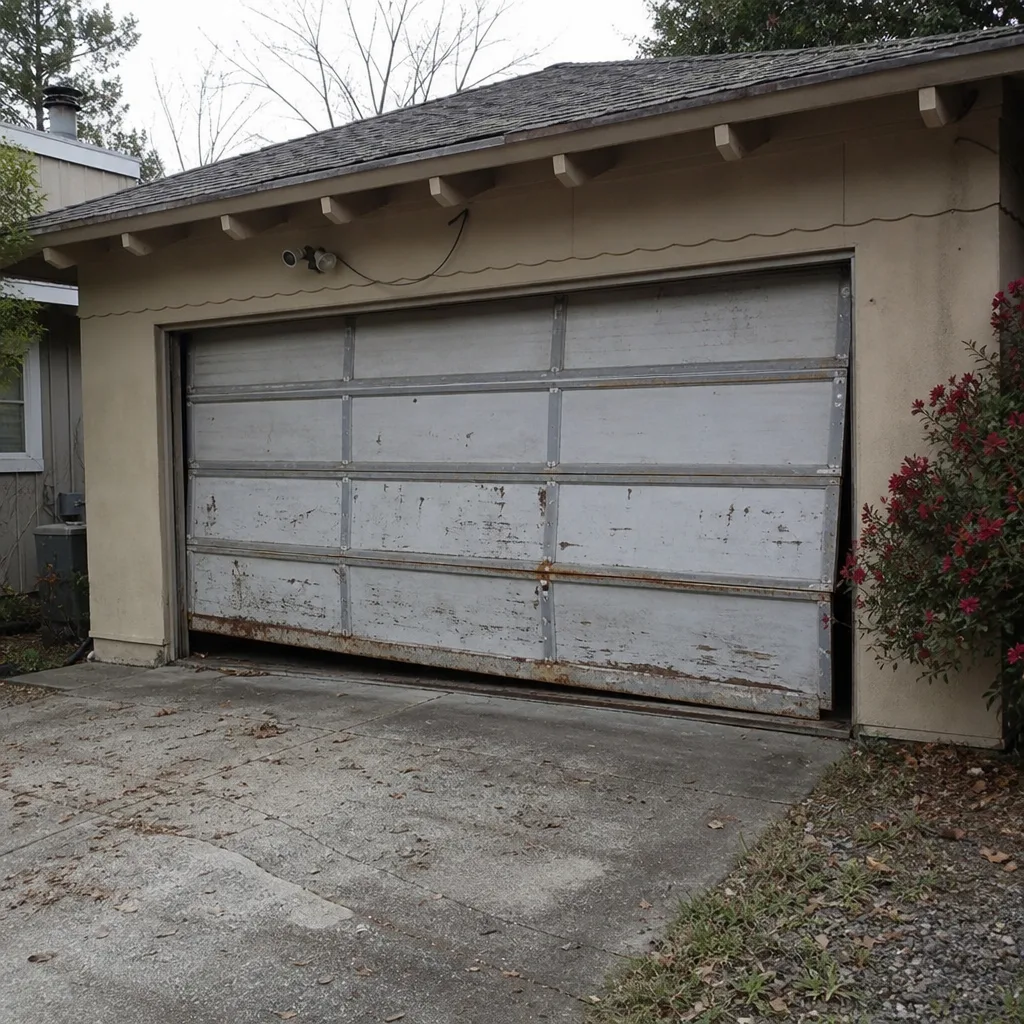 Before
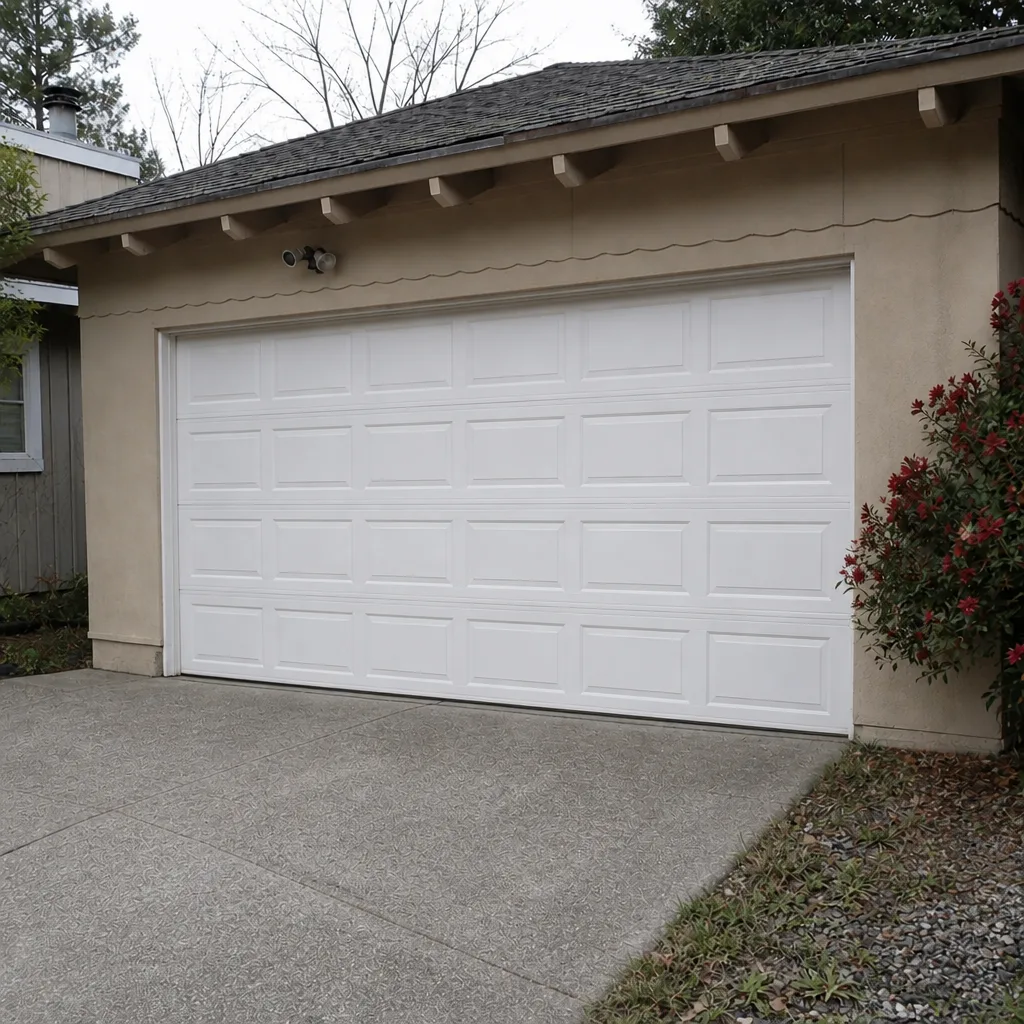 After
When to Call a Professional
Some garage door problems are a nuisance, and some are a hazard. Call a professional if the door won’t open or close smoothly, if the opener responds inconsistently, if you hear a loud snap from the spring area, or if the door doesn’t reverse on contact with an object. Any of those can be a spring, cable, or safety-system failure that shouldn’t be handled without the right tools and training.
If you’re in Santa Rosa and you’re not sure whether your rebuild-era door meets its code baseline, that’s also a reason to call. It’s a question worth asking before you replace anything. Signal Garage Door Repair offers free estimates in Santa Rosa – call (844) 834-1851. We answer 24/7. Fast dispatch from 7am to 7pm, Sunday through Friday. Our technicians have up to 15 years of experience, and they diagnose by brand and system, not by guesswork.
If a call comes in outside dispatch hours, it’s booked into the next opening. That’s a real answer, not a runaround.
Frequently Asked Questions
There’s no single number – the price depends on the specific part and the system. We give a free written estimate and quote the price before any work starts. Call (844) 834-1851 for an exact quote. Estimates are free.
For repair calls, often yes. We answer 24/7 and dispatch from 7am to 7pm, Sunday through Friday. Same-day service is available for many repairs. Replacement and installation work is measured, ordered, and scheduled.
No. The written estimate is the price, and it’s agreed before any work starts. If the job turns out differently than expected once the door is open, we’ll talk it through with you before proceeding.
We work with independent local professionals, and our technicians have up to 15 years of experience. Ask us about licensing and insurance directly when you call for your estimate.
Rebuilds after 2017 may have been held to newer code baselines for fire and structural requirements, depending on the property. Check your permit file and ask your city’s building department about the requirements that apply to your specific door before replacing it.
We service LiftMaster, Chamberlain, Genie, Clopay, Amarr, Wayne Dalton, Craftsman, and Raynor. If your door or opener is one of those, we know the failure patterns and parts ecosystem for your system. Call (844) 834-1851 to confirm before scheduling.
The Bottom Line
A Santa Rosa garage door isn’t just a door – it’s a system shaped by the home’s build year, the North Bay’s wet-then-hot cycle, and, for rebuilds, a different code baseline than the pre-fire house next door. The three things that matter most are the age of your hardware, the material that matches the local climate, and a specialist who knows your brand by system rather than by guess. Get a free written estimate before anything starts, keep the bottom seal and lubrication on schedule, and don’t skip the rebuild-era code check. For any repair, opener diagnostic, or full install in Santa Rosa, call (844) 834-1851. We answer 24/7. Fast dispatch from 7am to 7pm, Sunday through Friday. You can also start at Signal Garage Door Repair for a free estimate.
Written by the team at Signal Garage Door Repair.