
Last updated November 16, 2026
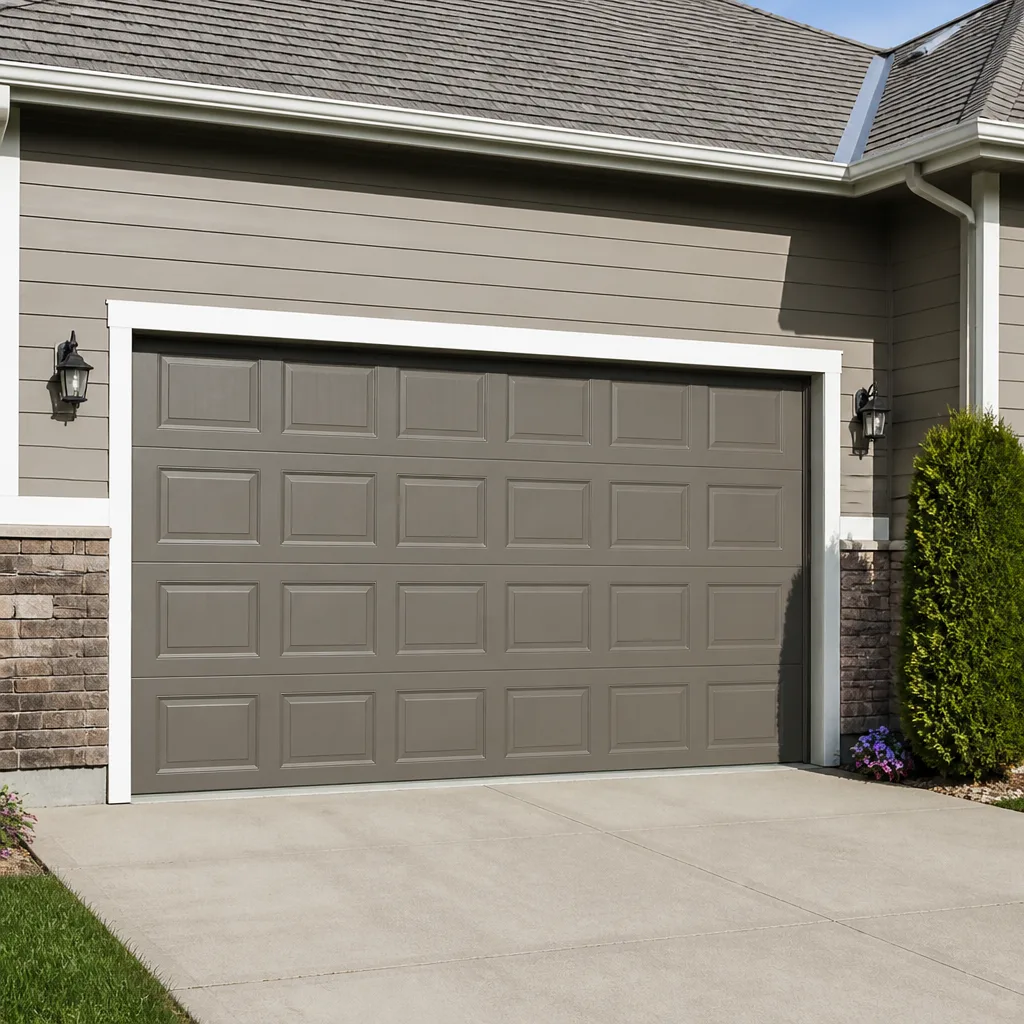 Raised-panel steel
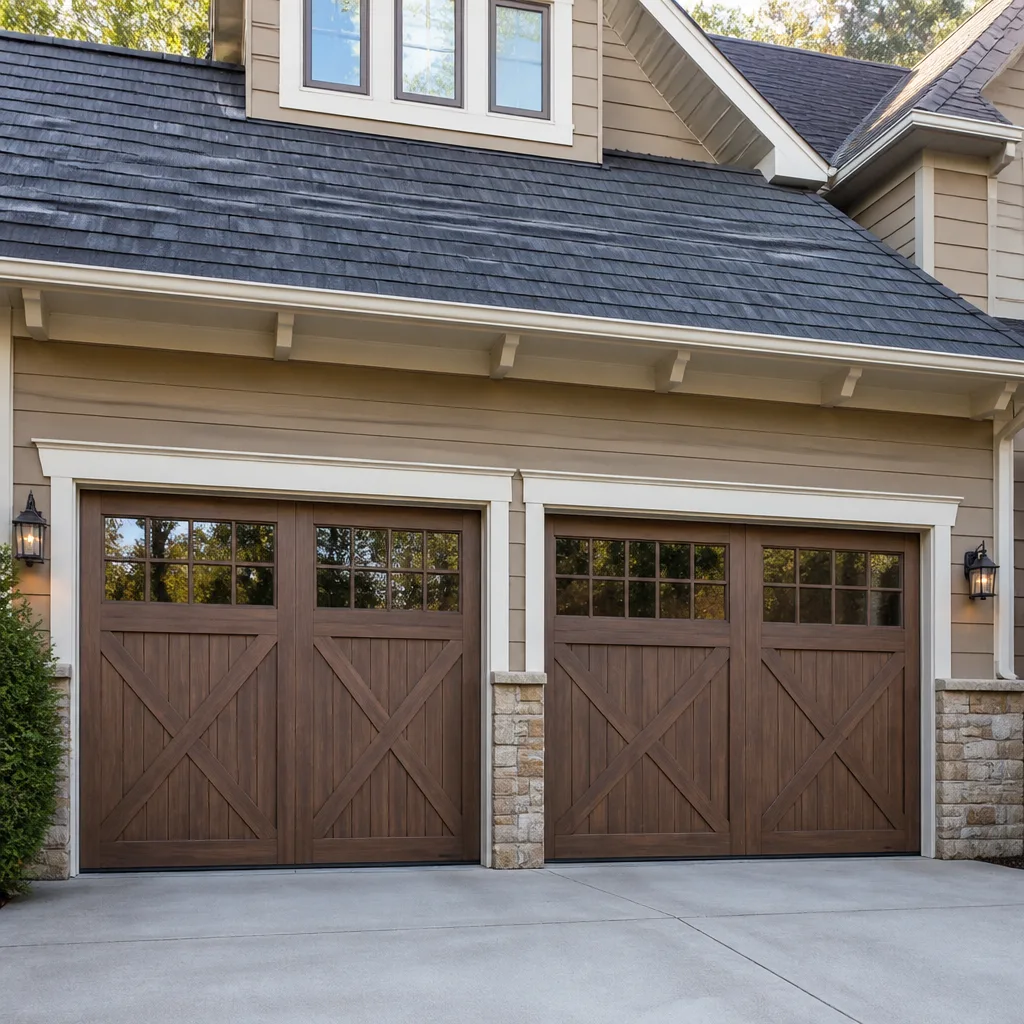 Carriage house
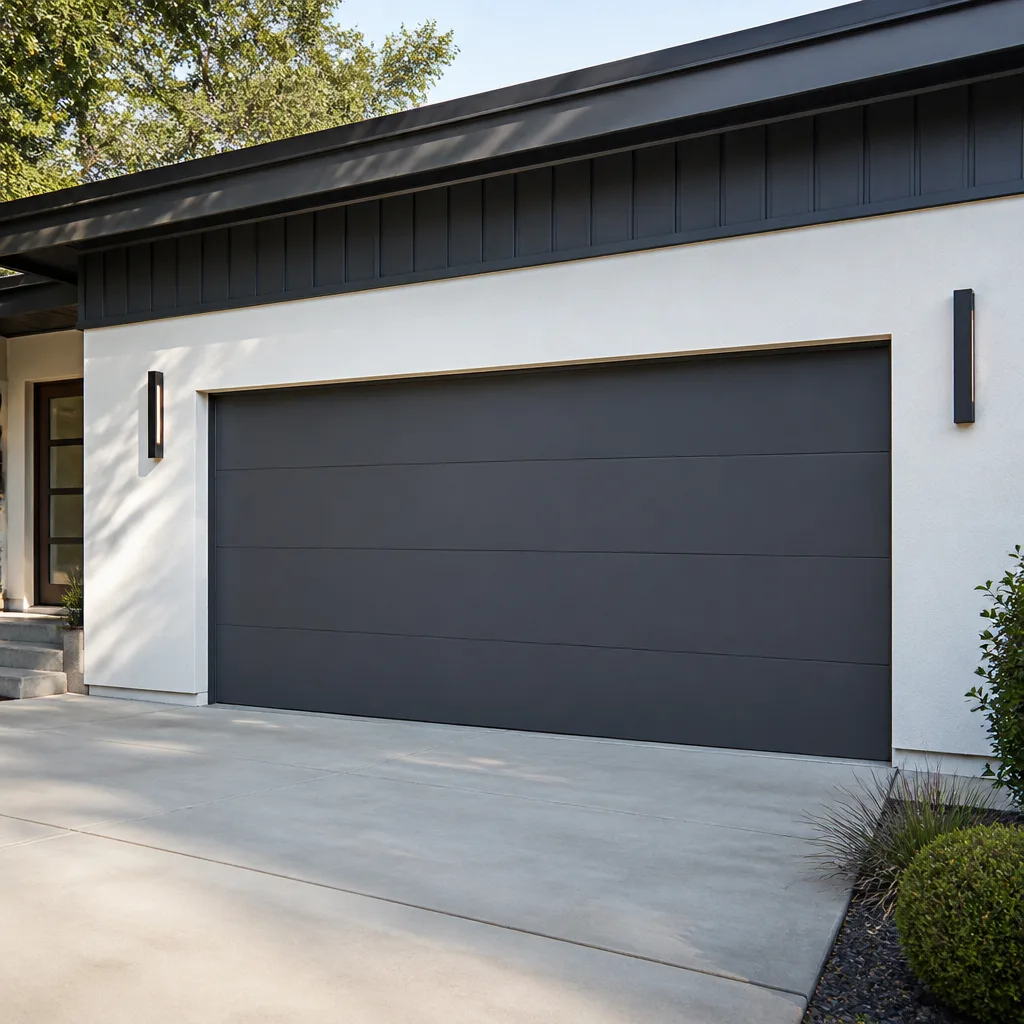 Modern flush
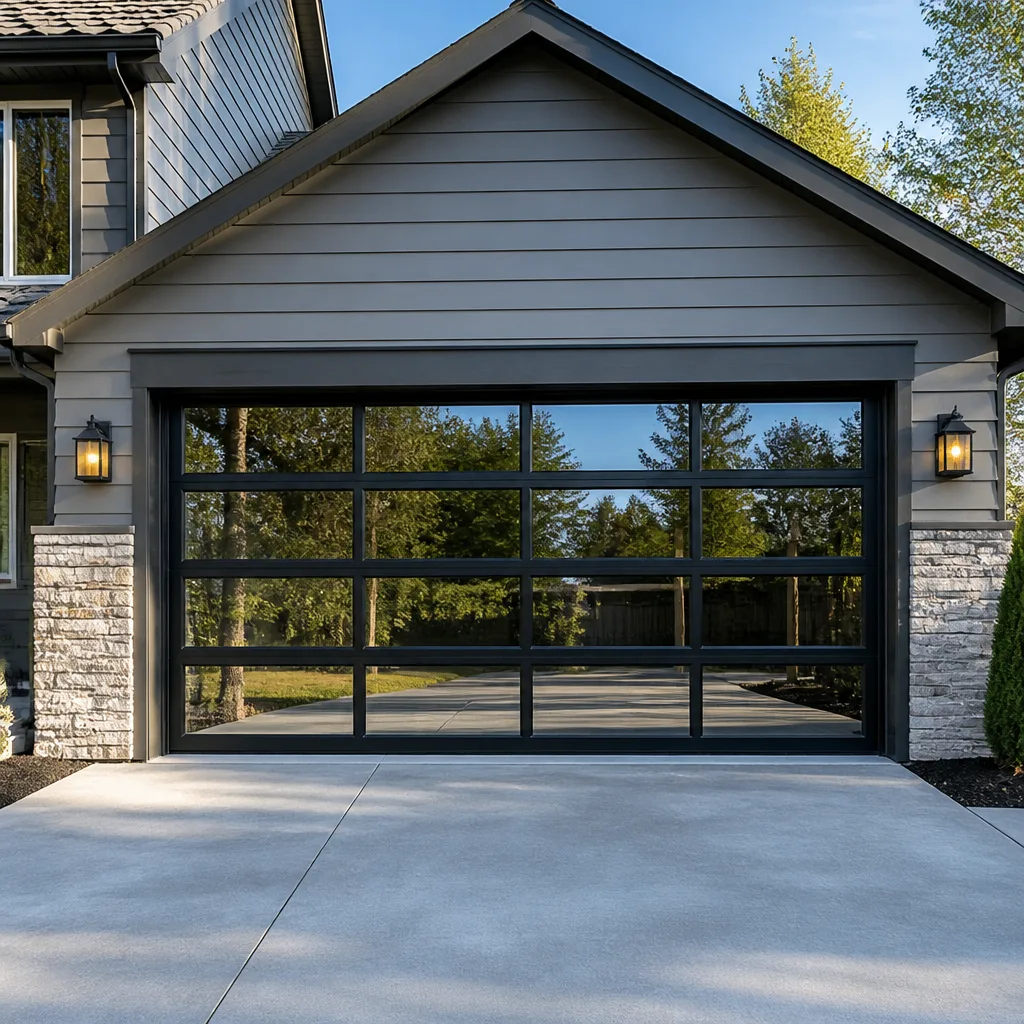 Full-view glass
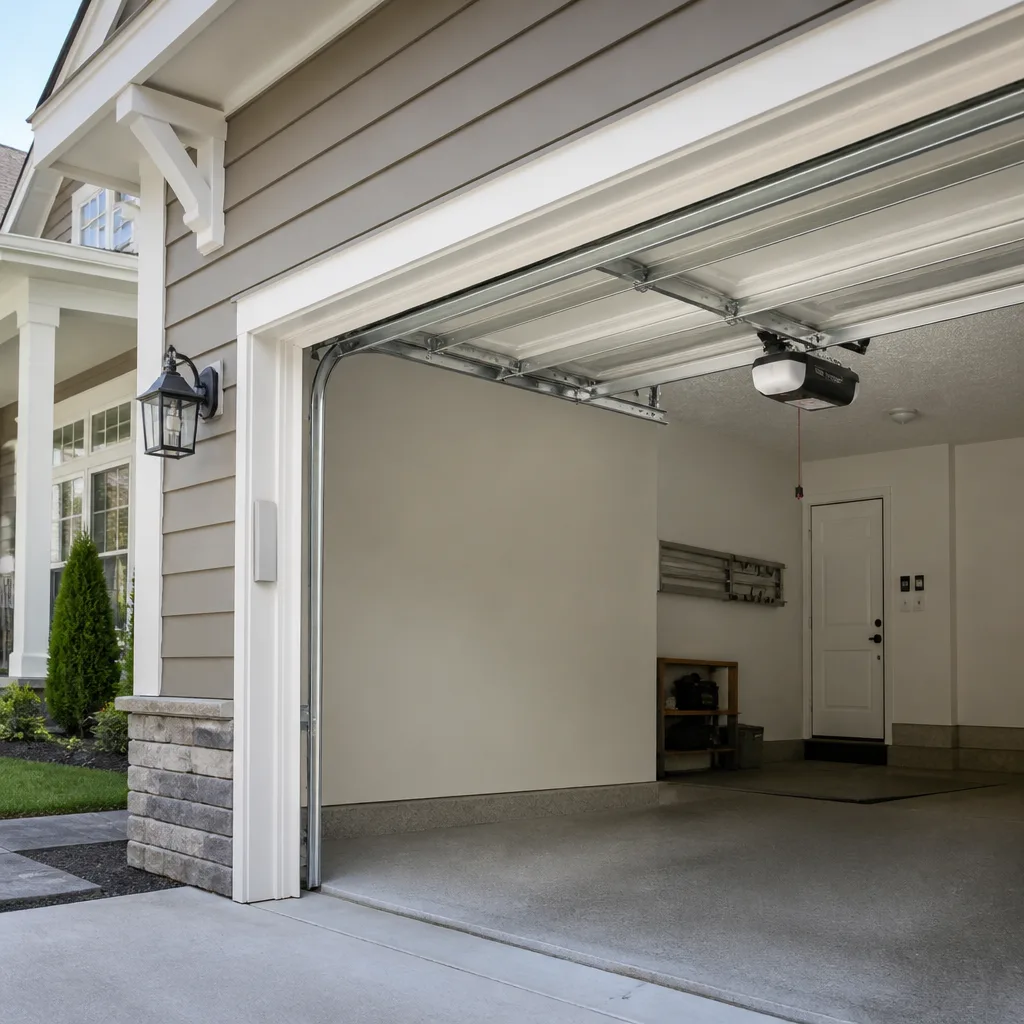 LiftMaster openers
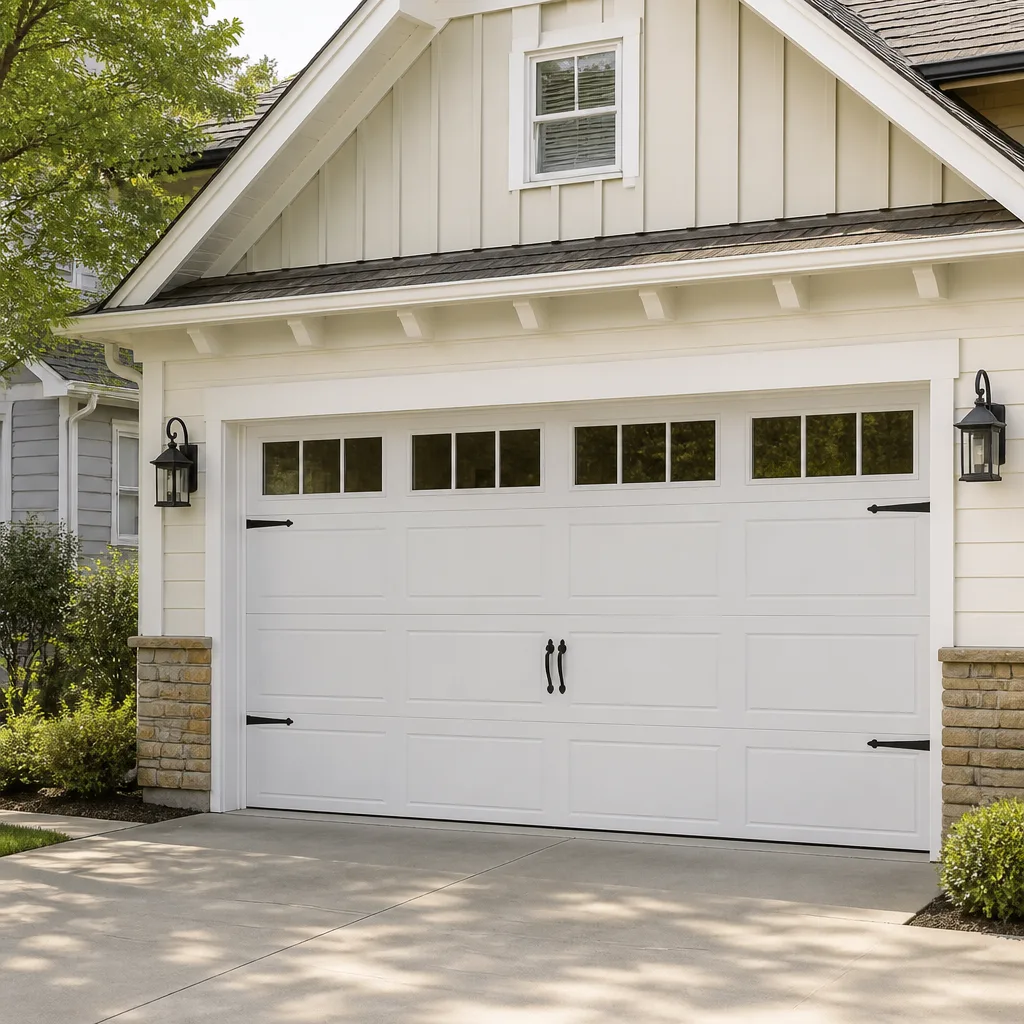 Chamberlain openers
Full 25-point door and opener safety check with every visit - springs, cables, rollers, tracks, and your LiftMaster or Chamberlain opener included
You get a price before we start. It does not change when the pro arrives.
Get your free estimateGarage Door Warning Signs: A Santa Rosa Homeowner’s Reference Guide
A garage door that takes two seconds longer to open than it did six months ago is not “getting old.” It’s telling you something specific about spring tension, motor load, or track alignment, and that something has a diagnosable cause. Most garage door warning signs never announce themselves with a bang. They show up as small deviations – a new rattle, a pause mid-travel, a light that blinks where it used to stay steady – and homeowners normalize them over weeks until a component fails completely. This guide teaches you to read the early signals your system is already sending, from sounds and movements to the brand-specific codes on your opener. We’ll map symptoms to likely causes, separate cosmetic wear from structural warnings, and show you how to document what you’re seeing so a Santa Rosa technician can diagnose it faster and more accurately than a phone description alone allows.
Quick Answer
The most common garage door warning signs are unusual noises (grinding, squealing, popping), jerky or slowing movement, a door that reverses before closing, gaps or sagging panels, and opener lights or error codes that change from normal. Noisy or slow operation usually gives you weeks to act. A door that has come off its track, a snapped spring, or a door that will not stay up means stop using it today and call a specialist. Any sign that involves springs, cables, or the door’s balance is a professional job, not a weekend project.
Styles & brands we work with
- Raised-panel steel
- Carriage house
- Modern flush
- Full-view glass
- LiftMaster openers
- Chamberlain openers
Table of Contents
- The Symptom-to-Cause Index: What Your Door Is Telling You
- Cosmetic Wear vs. Structural Warning Signs
- What the Noises Mean: From Squeak to Snap
- Reading Your Opener: Brand-Specific Signals
- Signs That Give You Weeks vs. Signs That Mean Stop Today
- How to Document Warning Signs Before a Technician Arrives
- Why Santa Rosa Doors Show These Signs
- The Checks That Catch Problems Early
The Symptom-to-Cause Index: What Your Door Is Telling You
Before you call anyone, you can narrow down what’s wrong by matching what you observe to the part of the system most likely responsible. A garage door is a balance system, a drive system, and a safety system working together, and each one fails in its own recognizable way. Here’s how we map the most common symptoms to their likely root causes.
- Door feels heavy when you lift it by hand (disconnected from the opener): spring tension is failing or a spring has broken. Lose the balance on this one and the door becomes a safety issue.
- Door goes up a foot then stops or reverses: usually a safety sensor problem, a misaligned track, or the opener’s travel limits need resetting.
- Grinding or scraping during travel: rollers, hinges, or track alignment. Cosmetic at first, structural if ignored.
- Squealing or high-pitched whine: dry or worn rollers, or a drive gear in the opener wearing down.
- Popping or snapping sound: a spring under load that’s about to fail, or a torsion spring that has already broken. Stop using the door.
- Door sags in the middle or panels look bent: a damaged panel or a bent track, often from a minor impact.
- Opener runs but the door doesn’t move: a broken spring, a snapped cable, or a stripped gear in the opener.
- Door reverses before hitting the floor: sensors blocked or misaligned, or the close-force limit set too light.
- Lights flash and nothing happens: a safety sensor fault or an opener error code – check the brand-specific section below.
That index is a starting point, not a diagnosis. The point is that every one of these symptoms has a specific cause, and none of them is “the door getting old.” When a symptom points toward the opener or its drive, that’s a distinct specialty – our garage door opener repair covers the electrical and drive side separately from the door itself.
Cosmetic Wear vs. Structural Warning Signs
Not everything that looks bad is urgent, and not everything urgent looks bad. That’s the confusing part for most homeowners, and it’s where money gets wasted on one end and safety gets ignored on the other. Learning to tell cosmetic wear from structural warning signs keeps you from overreacting to a scuff and underreacting to a bent track.
Cosmetic wear is anything that affects appearance or smoothness but not balance, alignment, or safety. Faded paint, scuffed panels, chipped edges, minor dents that don’t affect how the door seats, and a slightly noisy roller are all cosmetic. They’re worth fixing eventually, but they won’t fail suddenly. A dull surface from years of sun is normal in Santa Rosa’s inland climate, and it says nothing about whether the door is safe.
Structural warning signs affect how the door moves, balances, or seals, and these are the ones that matter. Watch for:
- Panels that are visibly bowed, cracked, or separated from their hinges
- A track that’s bent, dented, or pulled away from the wall
- A door that hangs unevenly – one side noticeably lower when closed
- Springs with visible gaps, rust streaks, or a stretched coil
- Cables that are frayed, kinked, or slack on one side
- Gaps along the bottom or sides that let in light, air, or water
A useful rule: if the door’s movement or balance has changed, treat it as structural until a specialist says otherwise. If only the surface changed, it’s cosmetic. When you’re unsure, that’s exactly the kind of question a free estimate answers – our garage door repair starts with a look at all three systems, not just the one that’s making noise.
What the Noises Mean: From Squeak to Snap
Sound is the earliest and most reliable warning sign a garage door gives you, because it changes before anything visibly breaks. We ask homeowners to describe the noise in plain words – squeal, grind, rattle, pop, snap – because each one points to a different part of the system.
- Squealing or high-pitched whine. Dry or worn rollers, or a torsion spring that needs lubrication. Early and cheap to address. If it’s the opener itself whining, that’s a drive or gear issue and belongs in an opener diagnosis.
- Grinding or scraping. Metal-on-metal contact, usually rollers rubbing a misaligned track or a hinge dragging. Grinding means something is wearing something else down; the longer it runs, the more parts it takes with it.
- Rattling or banging. Loose hinges, a door out of balance hitting its track, or a loose panel. Often worse on one side, which tells you where to look.
- Popping. A spring coil slipping or about to break, or a torsion spring that has already snapped. A pop followed by a door that won’t lift means stop.
- Snapping or a loud crack. Almost always a spring or a cable failing under tension. Do not run the opener again. Turn it off and keep people and vehicles away from under the door.
Here’s where an expert’s reading helps: some of those sounds come from the door, some from the opener, and a few from the relationship between the two. A grind that only happens on the way down points one place; the same grind on the way up points another. Diagnosing by sound and system knowledge, rather than guessing and swapping parts, is the difference between one visit and three.
Reading Your Opener: Brand-Specific Signals
Your opener has its own language, and the brand determines the dialect. A flashing sequence that means one thing on a LiftMaster can mean something else on an older Chamberlain or a Genie. This is where brand-specific familiarity saves time – we work across the major residential lines, including LiftMaster, Chamberlain, Genie, and Clopay doors, and the failure patterns are not universal.
A few brand-anchored rules of thumb:
- LiftMaster (including myQ-equipped units): a quick diagnostic often starts with the wall control and the app. If the door opens from the remote but not the wall unit, or the app reports a fault the door doesn’t, that’s an electrical or logic issue, not the door. MyQ connectivity drops are common and are usually about the network or a board fault rather than the door hardware.
- Chamberlain: many units show up/down light bulb flashes that count out a code – how many times the light blinks and whether it’s the up or down LED tells the story. A common one is the safety sensors; older units need the sensor LEDs both solid, and a single steady light on the door’s ceiling unit usually means a sensor alignment or wiring fault.
- Genie: older screw-drive and chain-drive Genie openers often signal a drive or limit problem through the opener light and how the door stalls at the same spot every time.
- Craftsman: the classic one-second blink, then pause, then blink pattern is a sensor code on many older Craftsman units – check the sensors first, then the wiring run.
Two things to remember: verify the sensor LEDs first on any “flashing light” complaint, and photograph the exact blink pattern. A technician with brand-matched diagnostics can decode the rest. Our opener repair page goes deeper on the electronics, and Signal Garage Door Repair is where we explain the three-service approach as a whole.
Signs That Give You Weeks vs. Signs That Mean Stop Today
Knowing which warning signs give you weeks to schedule a repair and which mean stop using the door today is the most valuable skill in this guide. It’s the difference between a planned fix and a broken door pinned open with a car stuck in the garage.
You have weeks (schedule a repair soon):
- Noisy rollers or a squeaking door that still opens and closes normally
- One safety sensor that’s occasionally tripping and needs a clean or re-aim
- A door that’s become slightly slower but still balances
- Minor cosmetic dents that don’t change how the door seats
- A single light beam that works when secure from the sun but drops out on bright mornings – often a sensor aiming issue
Stop using the door today (call immediately):
- A snapped or popping spring
- A door that won’t lift when you pull the manual release
- Off its track, or hanging unevenly with one corner sagging
- A broken cable – frayed, kinked, or slack
- The opener runs but the door doesn’t move
- Any visible crack in the torsion tube or the track pulling from the wall
The line between these two columns matters because the door doesn’t know which one it’s in – only the balance of tension and weight does. A door that “still works” but has a failing spring is still a hazard to anyone underneath when it finally lets go. Our technicians have up to 15 years of experience reading exactly this distinction, and call the difference correctly before anyone touches the door. For anything on the “stop today” list, call us and keep the door shut until a specialist looks at it.
How to Document Warning Signs Before a Technician Arrives
Photographs turn a vague phone description into a real diagnosis. We can work faster, quote closer, and often bring the right parts on the first visit when you’ve captured the right details. You don’t need a perfect set – you need the ones that show what’s failing.
- Photograph the whole door, closed, from the front. A camera held at eye level shows sag, uneven gaps, and panels that sit wrong.
- Photograph the whole door, open. Look at how the panels stack and whether the top section is level.
- Close-up of any visible damage: dents, bent track, cracks, separated hinges, gaps in the springs.
- Close-up of the cables at both sides if you can see them without reaching near the springs. Any fray, kink, or slack in the cable is worth a photo.
- The opener and its antenna/LED area. Note the model on the ceiling unit and capture the safety sensor eyes mounted near the floor.
- Video the blink pattern. A ten-second clip of the flashing light or stall point is worth more than a paragraph describing it.
Two safety notes while you document: never photograph by reaching near a spring or cable under tension, and never pull the manual release to test a door without someone there and a clear path. Click and step back. The documentation should be safe, or it shouldn’t happen. When you call (844) 834-1851, tell us what you saw and send the photos to the same number – we’ll match what you saw to what’s likely failing before we arrive.
Why Santa Rosa Doors Show These Signs
Santa Rosa’s climate and its homes leave their own fingerprints on garage doors. Winters are mild, so we don’t see the freeze-related failures that colder regions deal with, but we do see the wear that comes from dry summers, warm afternoons, and doors that sit in the sun. Sun exposure on a west- or south-facing door fades paint, stiffens seals, and slowly ages the rollers and hinges that carry the door’s weight.
The homes matter too. A lot of Santa Rosa neighborhoods mix older single-family homes with newer construction, and the garage door systems that come with each reflect the era they were built or last replaced. An older Chamberlain or Genie chain-drive opener still running a door on the same tracks it left the factory with is a different diagnostic picture from a newer LiftMaster or Clopay door with modern safety sensors. The age of the parts, not the calendar, tells you what to watch.
We start every call the same way: what’s the door doing, what’s the opener, and what changed. From there – whether you’re near Coddingtown, out toward Rincon Valley, or anywhere across Santa Rosa – the system tells you what it needs. We work on your brand across every major line, from opener to panel, so you don’t have to find a different specialist for the door and the motor.
The Checks That Catch Problems Early
Most of the warning signs in this guide appear long before a failure, which means a few routine checks catch them early. These are the safe checks a homeowner can do without getting near the dangerous parts.
- Monthly: test the balance – with the door closed, pull the manual release, lift halfway and let go. The door should stay roughly where you left it. Pull it back down gently afterward.
- Monthly: test the safety reverse – put a small object on the floor in the door’s path and confirm the door reverses. This is the safety system doing its job.
- Seasonally: look at the springs and cables from a distance. Note any gaps, rust, or fray. Do not touch them.
- Seasonally: listen for new noises and note what changed. Write it down – “squeaks on the way down” beats “it’s noisy.”
- Annually: have a specialist look over the whole system – balance, springs, cables, rollers, tracks, and opener.
What we don’t recommend: tightening, lubricating near, or adjusting springs or cables yourself. They’re the dangerous parts of the system, and the spring under tension will hurt you if it fails while you’re near it. Leave the dangerous work to a specialty tech and keep the safe checks to yourself. A specialist visit for the rest is the cheapest maintenance you’ll ever do on a door.
Common Mistakes to Avoid
- Writing off a slow door as “just age.” A door that takes two seconds longer than it did six months ago is a diagnosable symptom, not normal wear. Ignoring it is how a spring becomes a snapped spring at the worst possible time.
- Assuming every bent panel is urgent. A scuff or a minor dent that doesn’t change how the door seats is cosmetic. The urgent ones are about movement, balance, and alignment – not surface appearance.
- Calling a general handyman first. Garage doors are a specialist trade. A multi-trade outfit guessing at spring tension or opener codes usually costs more in the end than one specialist visit.
- Running the opener on a broken spring or off-track door. The opener is doing what it’s told; the door is the problem. Forcing it can turn a fix into a replacement.
- Photographing the wrong things. A single blurry wide shot of the door tells a tech little. Get the whole door closed and open, the cable close-ups, the opener model, and the blink-pattern video.
- Trying to adjust the springs yourself. Springs and cables are under heavy tension and are the part of the job that genuinely injures people. This is the one mechanic you hire out.
- Skipping the safety reverse test. A door that closes on a child or a pet is a far bigger problem than the noise that prompted you to look. Test it monthly.
See the difference
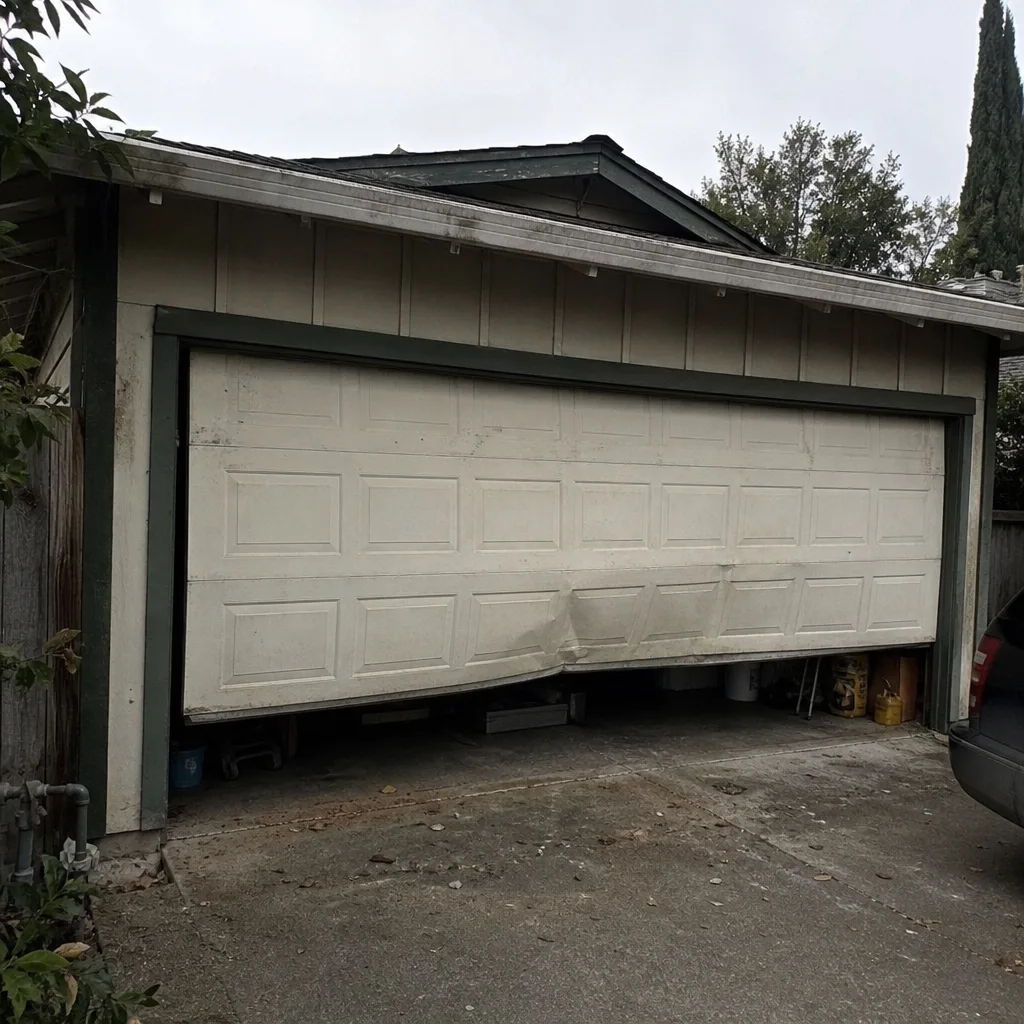 Before
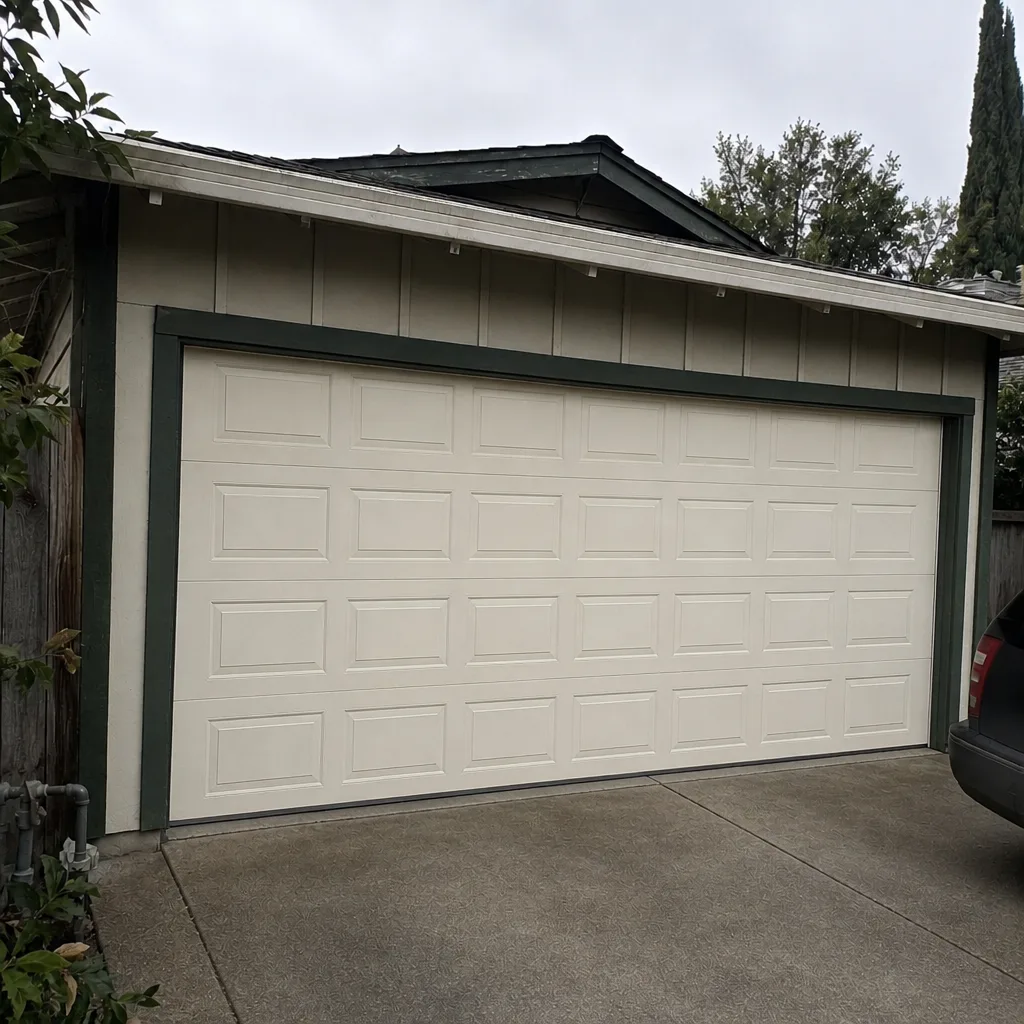 After
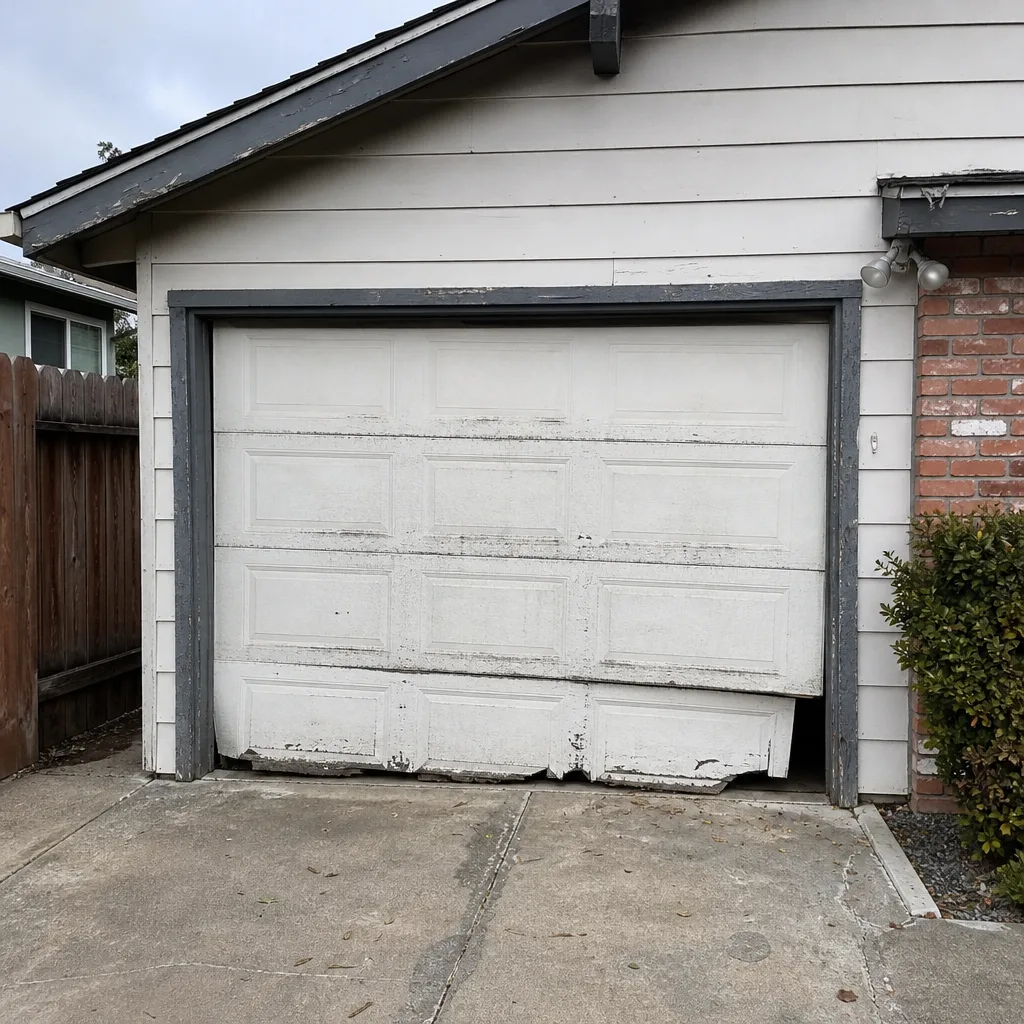 Before
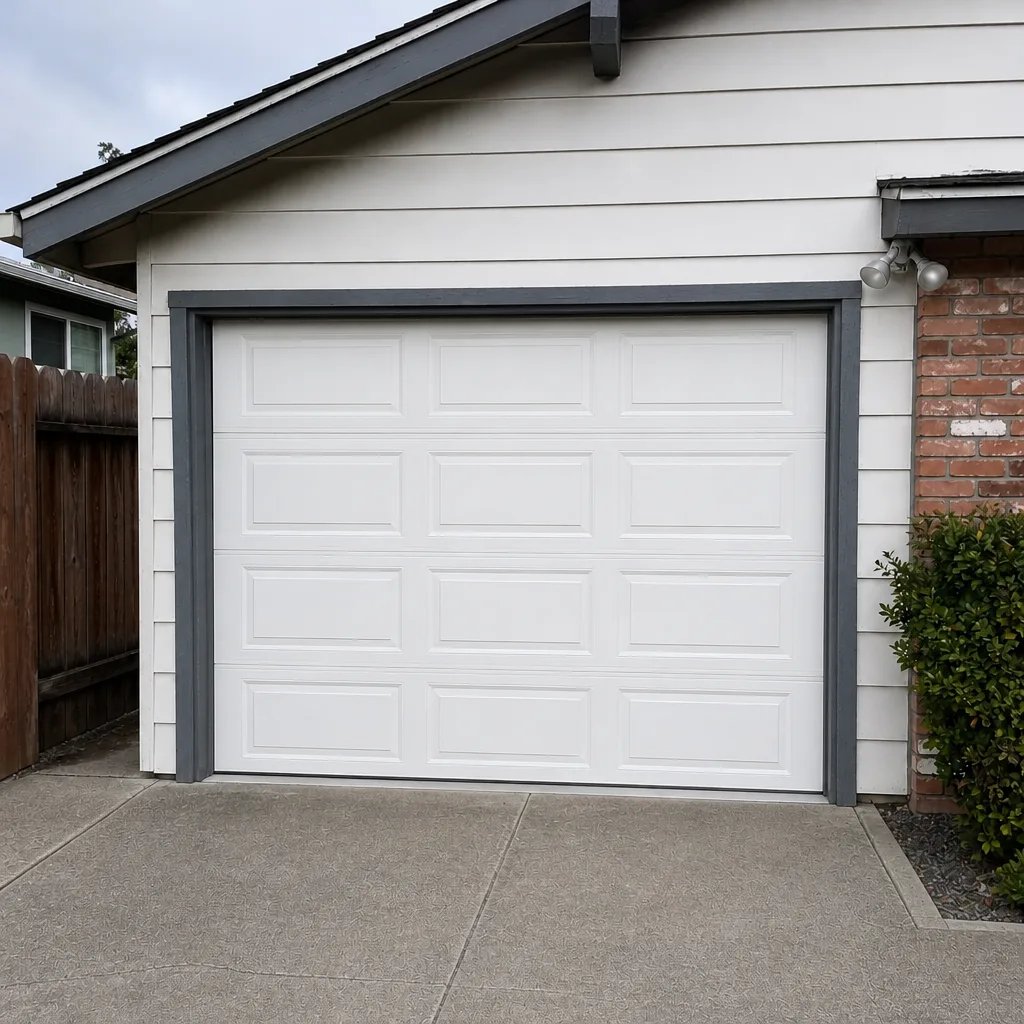 After
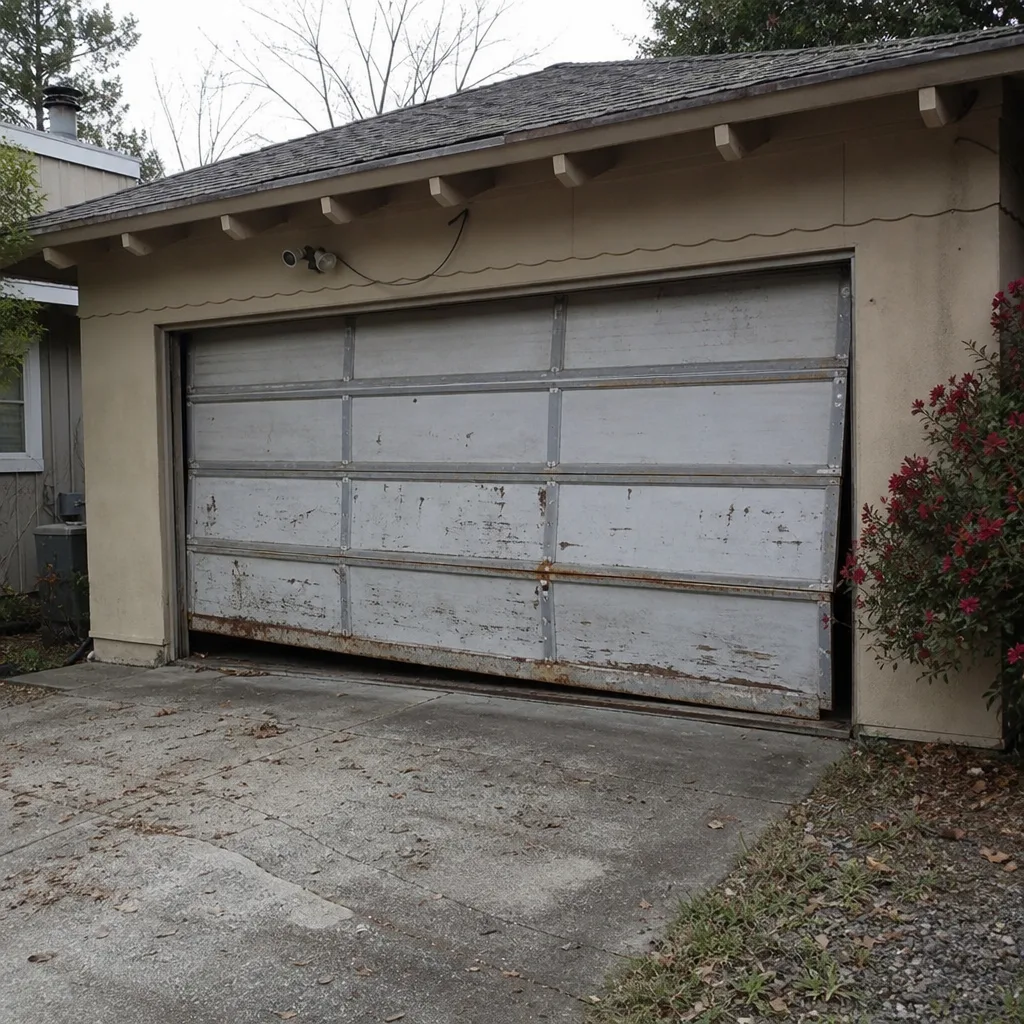 Before
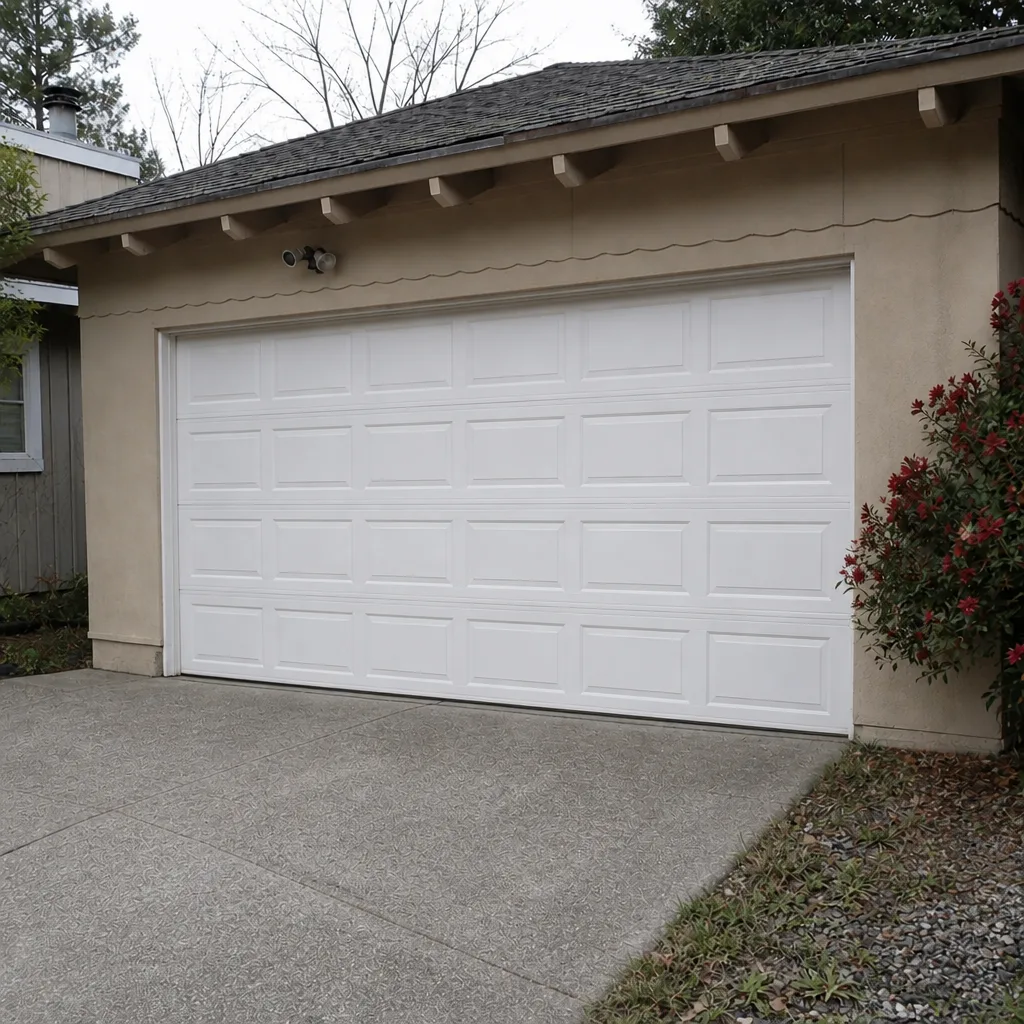 After
When to Call a Professional
Call a professional today if any of the “stop today” signs are present: a snapped or popping spring, a frayed or slack cable, a door off its track or hanging unevenly, an opener that runs without moving the door, or a door that won’t stay up when you lift it. Call soon if you’re hearing a new grind or squeal, seeing a sensor that trips on its own, or watching a door that’s become noticeably slower. A specialist diagnoses by system knowledge, not guesswork – and it’s the difference between one visit and a string of them. Call us for a free estimate in Santa Rosa; our technicians work across every major brand so you’re covered whether your door is a LiftMaster, a Chamberlain, a Genie, or an older Craftsman.
Signal Garage Door Repair offers free estimates in Santa Rosa. Call (844) 834-1851. We answer 24/7. Fast dispatch from 7am to 7pm, Sunday through Friday. If a call comes in outside dispatch hours, we book it into the next opening, Sunday through Friday, 7am to 7pm.
Frequently Asked Questions
The most common signs are unusual noises (grinding, squealing, popping), jerky or slowing movement, a door that reverses before closing, visible gaps or sagging panels, and opener lights or codes that change. On Santa Rosa homes, sun exposure and older opener systems make noisy rollers, sensor faults, and opener logic problems especially common. Call (844) 834-1851 for an exact quote – estimates are free.
Yes – cosmetic wear like faded paint, scuffs, and minor dents that don’t change how the door seats is not urgent. The signs that matter are changes in how the door moves, balances, or seals. If movement or balance changed, treat it as structural until a specialist says otherwise. Call (844) 834-1851 with what you’re seeing – estimates are free.
The code is written in flashes and must be read against your brand, since a blink sequence on a LiftMaster doesn’t mean the same thing as on an older Chamberlain or Genie. Check the safety sensor LEDs first, then photograph or video the exact pattern and call us – we work across every major brand and diagnose by system knowledge. Call (844) 834-1851 for an exact quote – estimates are free.
A snapped or popping spring, a broken or slack cable, a door off its track, a door that won’t stay up, or an opener that runs without moving the door all mean stop today. Keep people and vehicles away and do not run the opener again. Call (844) 834-1851 – we answer 24/7 and can get a specialist out as soon as possible.
For urgent repair signs, yes – same-day service is often possible. Call (844) 834-1851 to check availability. We answer 24/7. Fast dispatch from 7am to 7pm, Sunday through Friday, and a call outside dispatch hours is booked into the next opening.
No – the price is quoted and agreed before any work starts, and the written estimate sets the final price. We diagnose first, explain what’s failing and what it costs, then do the work only with your approval. Call (844) 834-1851 for an exact quote – estimates are free.
We work on all eight major residential lines: LiftMaster, Chamberlain, Genie, Clopay, Amarr, Wayne Dalton, Craftsman, and Raynor – from opener to panel in a single visit. If your system is one of those, you’re covered. Call (844) 834-1851 for an exact quote – estimates are free.
The Bottom Line
Most garage door failures aren’t sudden. They build from small deviations – a new sound, a slower lift, a flickering light – that homeowners normalize until something breaks. The skill this guide teaches is noticing those early signals and reading them for what they are: spring tension, motor load, track alignment, sensor faults, each with a specific cause. Noise and slowdowns give you weeks to act. Springs, cables, off-track doors, and doors that won’t stay up mean stop today. Document what you see with photos and a short video, know which column your symptom falls in, and leave the dangerous parts to a specialist. That’s how you turn a breakdown into a scheduled repair.
Call (844) 834-1851 for a free estimate. We answer 24/7. Fast dispatch from 7am to 7pm, Sunday through Friday. A call outside dispatch hours is booked into the next opening.
Written by the team at Signal Garage Door Repair.