
Last updated November 16, 2026
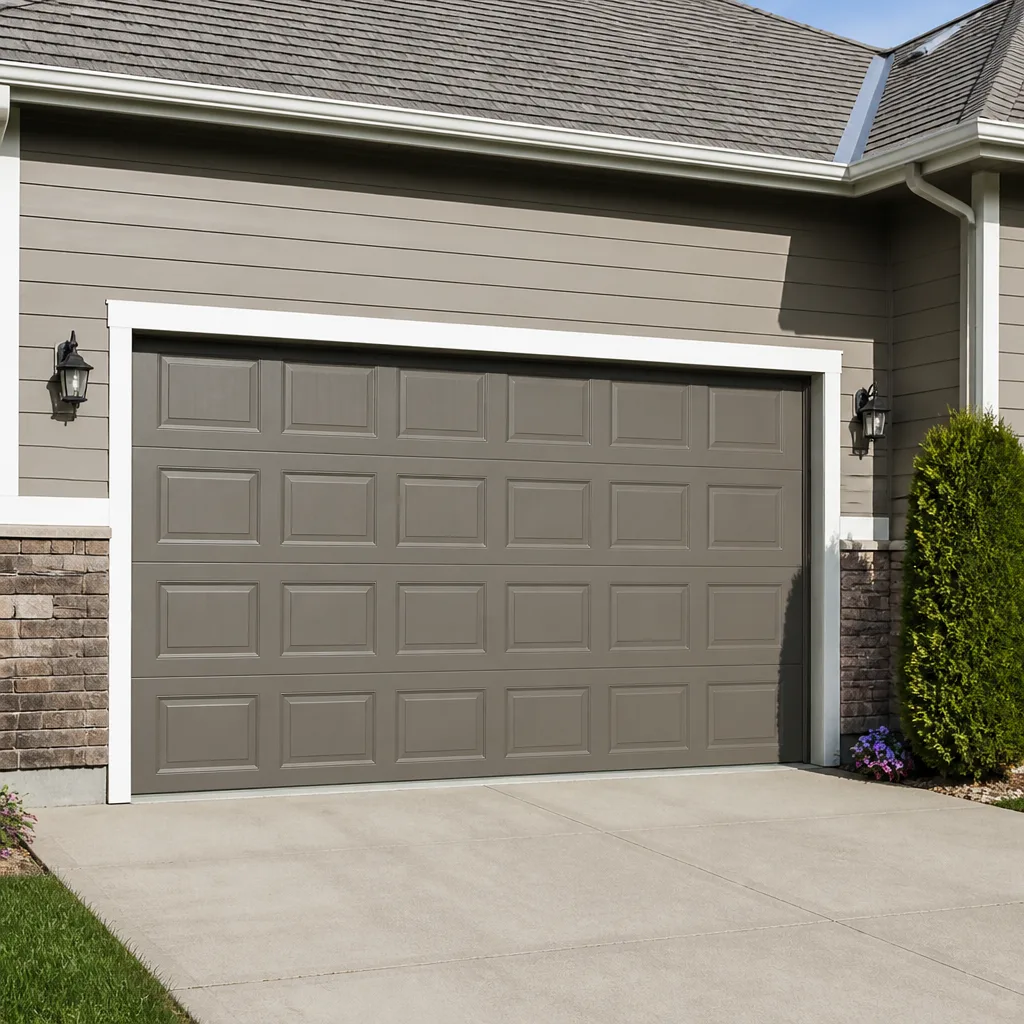 Raised-panel steel
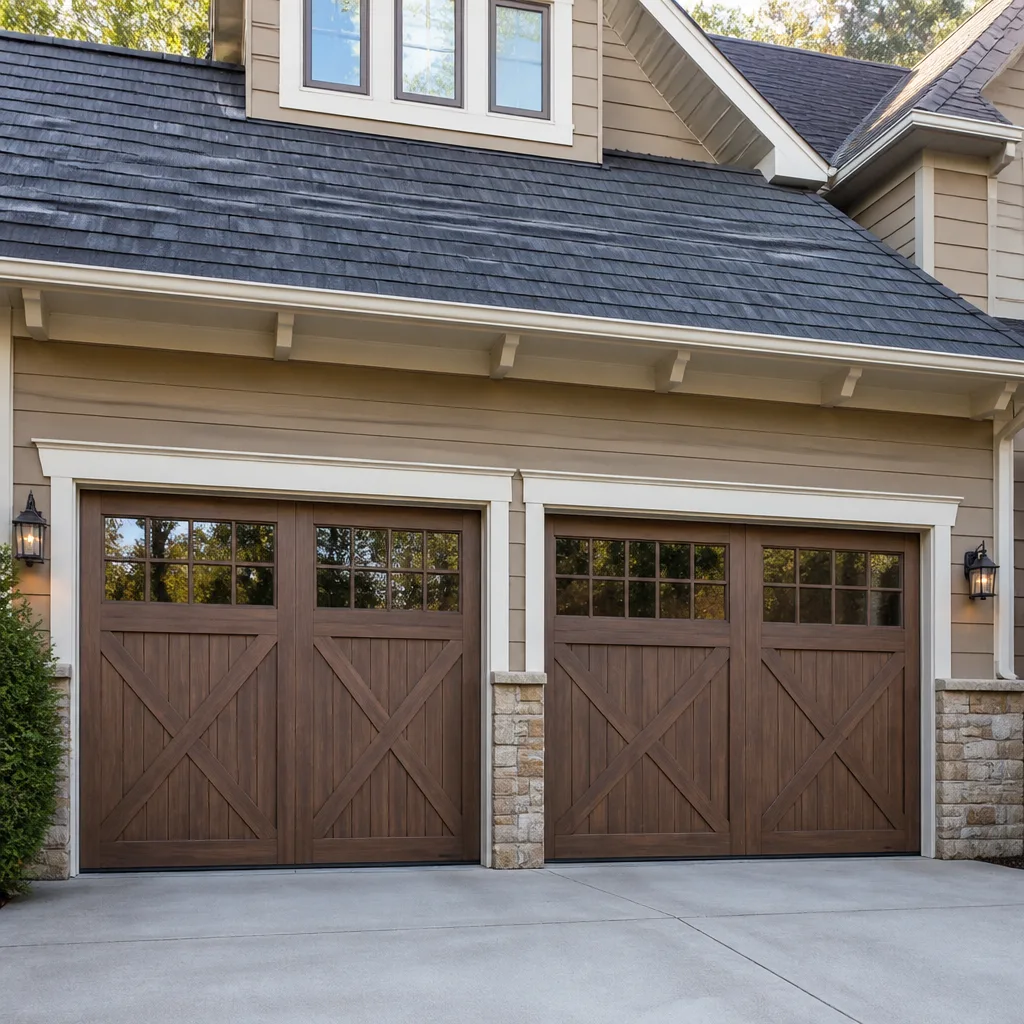 Carriage house
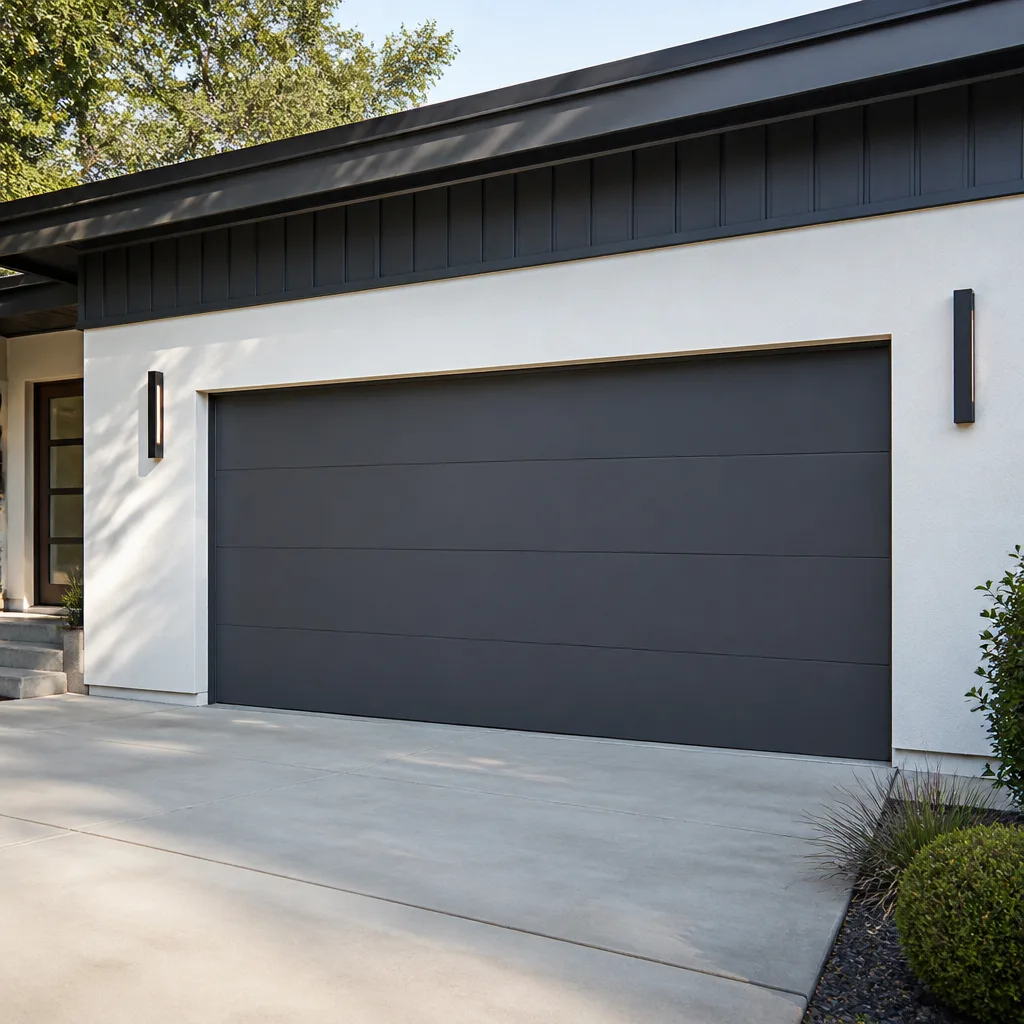 Modern flush
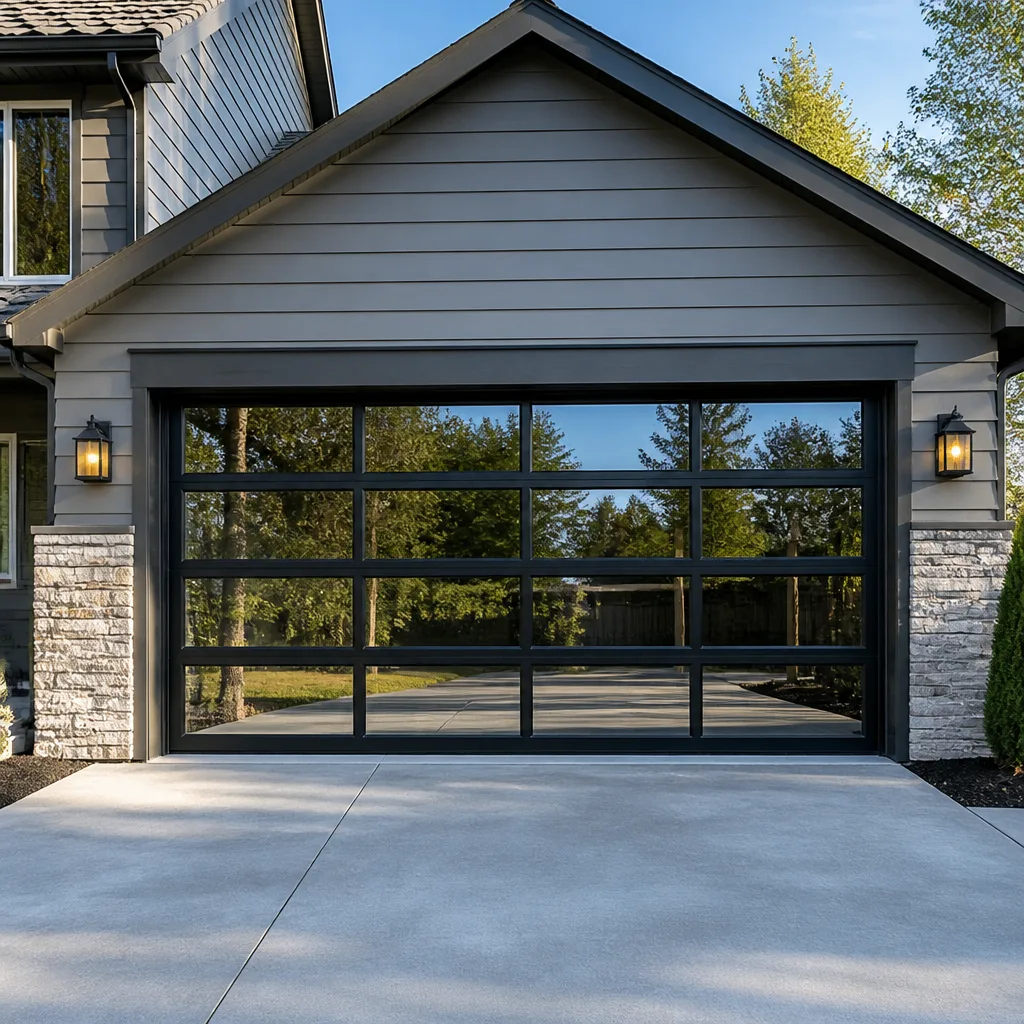 Full-view glass
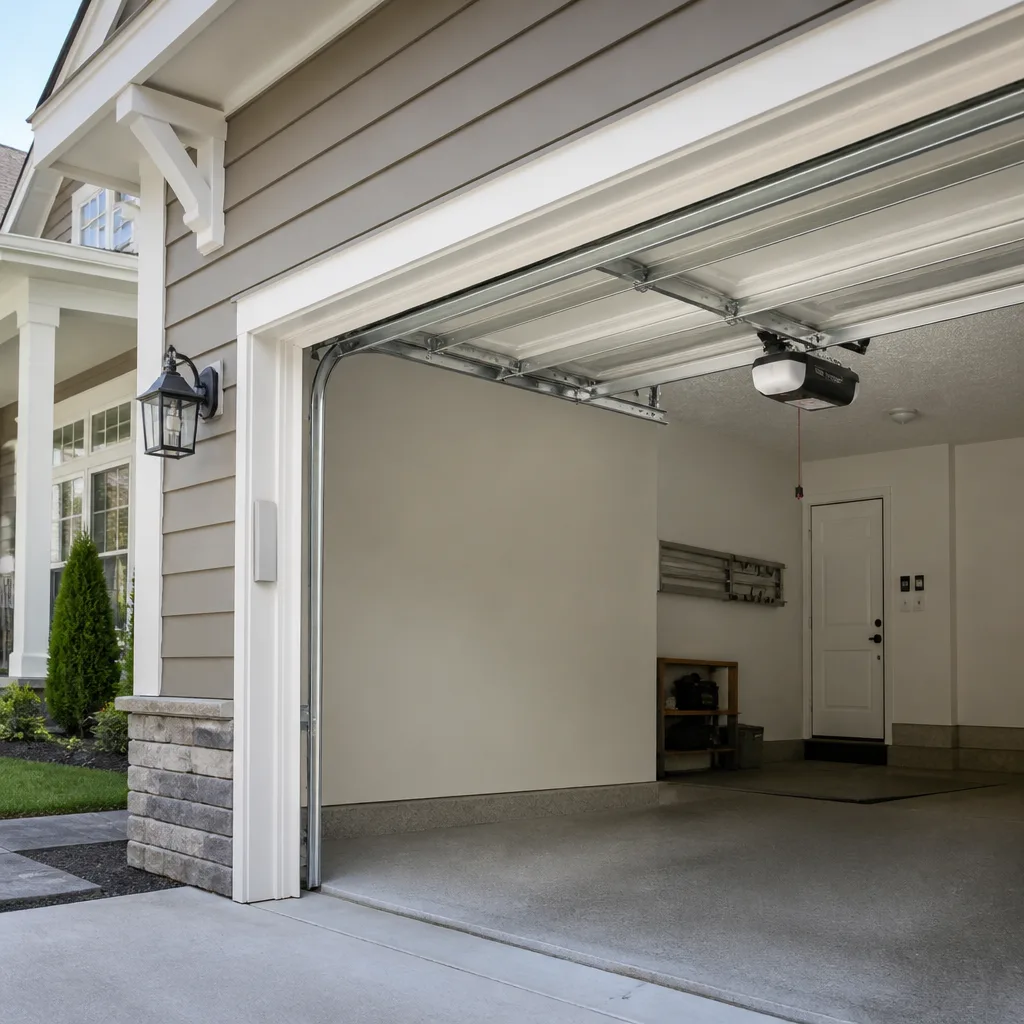 LiftMaster openers
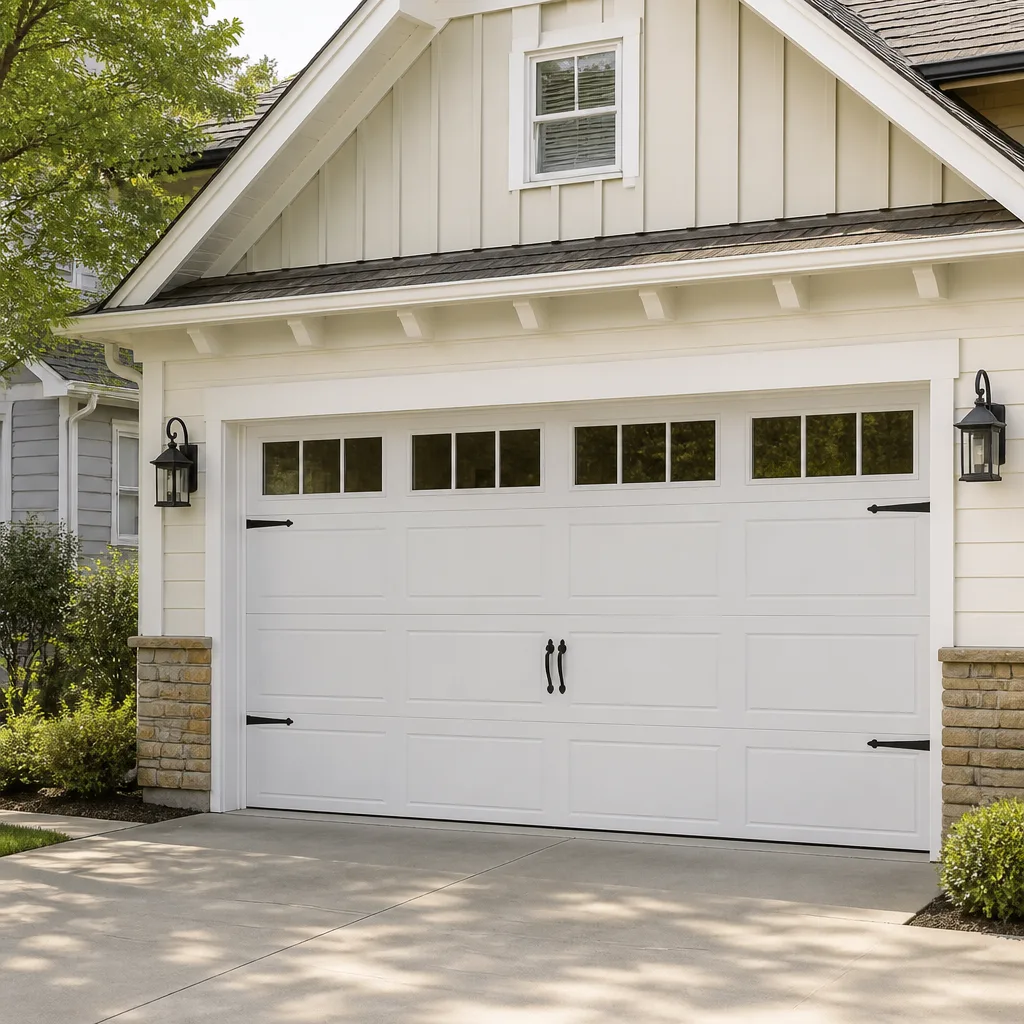 Chamberlain openers
Full 25-point door and opener safety check with every visit - springs, cables, rollers, tracks, and your LiftMaster or Chamberlain opener included
You get a price before we start. It does not change when the pro arrives.
Get your free estimateGarage Door Repair Maintenance Schedule: What to Do and When
Garage door springs are rated for 10,000 cycles. If your household opens and closes the door four times a day, you’ll cross that number in under seven years, and most homeowners have no idea where they sit in that countdown until the spring snaps on a Tuesday morning with the car inside. The trouble isn’t that people ignore maintenance. It’s that they treat it as one annual event, a single checklist item filed next to changing the furnace filter, when a garage door is really six or seven separate systems wearing out on completely different clocks. In this guide we’ll break the door into its parts and give each one its own service calendar, show you how to count your actual cycles so you can plan for spring and motor replacement before failure, and cover the seasonal checks that matter in Santa Rosa specifically.
Quick Answer
A garage door needs four layers of maintenance: a monthly walk-around and safety check, a biannual lubrication and balance pass, an annual hardware and weather-seal inspection, and lifecycle replacement of springs, rollers, cables and the opener motor based on cycle count rather than the calendar. Springs and opener motors are the two parts with finite lives best tracked in cycles, and everything else is inspected and adjusted before it fails. The single most useful habit is a simple written log of what was checked, adjusted or replaced, and when.
Styles & brands we work with
- Raised-panel steel
- Carriage house
- Modern flush
- Full-view glass
- LiftMaster openers
- Chamberlain openers
Table of Contents
- The Component-by-Component Service Calendar
- How to Calculate Your Actual Cycle Count
- Lubrication: What to Use and What to Skip
- Seasonal Adjustments for Santa Rosa Doors
- The Monthly Safety Check
- How to Log Maintenance So It Actually Helps a Technician
- Opener Maintenance Is Its Own Job
- Common Mistakes to Avoid
The Component-by-Component Service Calendar
Think of your door as a small fleet of parts, each with its own odometer. A torsion spring, a nylon roller, a steel hinge and an opener motor do not age at the same rate, so a single “annual tune-up” can’t serve all of them well. Here’s how the schedules break down.
Monthly
- Visual walk-around: look for frayed cables, worn roller heads, cracked hinges, bent track sections, and seals pulling away at the bottom or sides.
- Reverse test: place a small object in the door’s path and confirm the opener reverses when it meets resistance.
- Photo-eye test: break the beam between the safety sensors and confirm the door reverses.
- Listen: note any new squeak, grind or rattle. A change in sound is usually the first symptom.
Every Six Months
- Lubrication pass on hinges, rollers, bearings and the torsion spring (see the lubrication section below for the exact points).
- Balance check: with the door disconnected from the opener, lift it halfway and let go. It should hold roughly in place. A door that drops or rises on its own is out of balance.
- Track and hardware tightening: check bolts and lag screws at hinges and the track brackets.
Annually
- Weather seal inspection: the bottom seal, the side and top jambs, and the threshold. Santa Rosa’s wet winters wear the bottom seal faster than people expect.
- Roller and hinge replacement planning: nylon rollers usually last several years, but once the bearings feel rough or the roller head is worn flat, replacement is due.
- Opener force and travel-limit check: the opener should reverse and stop where the manufacturer’s manual says it should, not “about right.”
- Panel and paint inspection: paint protects steel doors from moisture-driven corrosion. A steel Clopay or Amarr door that’s spent a decade without a top-up is more vulnerable along the bottom edge.
Lifecycle (Replacement, Not Inspection)
- Torsion and extension springs: rated in cycles – typically 10,000 for standard springs, higher for heavy-duty. Replace in pairs.
- Cables: same service life as the springs, and they should be replaced with them.
- Openers: motors, gears and logic boards all have finite lives. More on that below.
- Panels: only when damaged or when the door has structurally failed.
How to Calculate Your Actual Cycle Count
A cycle is one full open and one full close. That’s the unit manufacturers use to rate springs, cables and opener motors, and it’s the number that actually predicts failure. To find yours, do this math:
- Count household trips per day. A two-driver household that parks both cars inside and has one person leaving and returning midday tends to run 4 to 6 cycles daily. A single driver is usually 2 to 4. Add a couple for deliveries, kids, or trash runs.
- Multiply by 365. Four cycles a day is 1,460 a year. Six is 2,190.
- Divide 10,000 by your annual figure. At four cycles a day that’s just under seven years. At six it’s about four and a half.
- Subtract for the door’s current age. If you can’t remember when it was last serviced, assume the springs are at a high percentage of rated life and have them inspected.
For the opener, use the same daily figure but note that most opener motors are rated in cycles too, and gear wear is the usual failure point on chain-drive units. We service Genie openers regularly and the pattern is consistent: the motor is fine, the gear is worn, the door gets blamed for the noise.
Every household in Santa Rosa runs a different count. A home in Bennett Valley with two cars and a home in Rincon Valley with one car can have spring lifespans years apart, and this is the reason a fixed “replace every five years” rule of thumb is unreliable. Count your cycles, write it down, and you’ll actually know when to expect trouble.
Lubrication: What to Use and What to Skip
Here is the part where most advice online goes wrong. The product most people reach for, WD-40, is a solvent and light water displacer. It’s not a garage door lubricant, and using it on hinges, rollers and the torsion spring strips away the heavier grease that’s doing the actual work. It makes things feel better for a day or two and then accelerates wear.
Lubricate These Points
- Torsion spring coils – a light application of a white lithium or dedicated garage door grease, run across the coils.
- Hinge pivots at each hinge leaf.
- Roller stems and bearings (the shaft, not the nylon or steel wheel itself, unless the roller is metal).
- Bearing plates at each end of the torsion shaft.
- Track rollers seating points – only where the manufacturer’s manual specifies.
Skip These
- The track itself. Grease on the track collects dust and grit, which then wears the rollers. Keep the track clean and dry.
- The opener rail. Most chain and belt rails specify a thin layer of the manufacturer’s grease or none at all. Check your manual for your Genie, LiftMaster or Chamberlain model’s recommendation.
- Photo eyes and wiring. Never spray near the sensors or any electrical component.
- Any product marketed as a “one-product fix” for the whole door. The door needs two products: grease for the bearings, silicone or Teflon spray for the moving contact points.
Do this twice a year, in spring and fall. If you’re not sure which grease your model calls for, the manufacturer’s manual is the source of truth, and our team can walk you through it if the label is missing. For anything involving the torsion spring, do not try to loosen or adjust it yourself – a wound torsion spring holds enough energy to cause serious injury, and adjustment belongs with a trained technician.
Seasonal Adjustments for Santa Rosa Doors
Santa Rosa’s climate is mild, but it has a wet half and a dry half, and the transitions between them are when small problems become big ones. Here’s what to check in each.
Spring (After the Rainy Season)
- Bottom seal moisture: the rubber seal absorbs water against the threshold over the wet months. Look for cracking, soft spots or a gap when you press the door closed.
- Track and hinge rust: any rust on hinges, roller stems or the bottom bracket should be addressed before it spreads. A light coat of the correct lubricant helps prevent it.
- Wood door end grain: if you have a wood-panel door, inspect the bottom rails and panel edges. Wet-season humidity can lift paint first and open grain later.
- Track alignment: wood-frame houses throughout Santa Rosa settle and move over a wet winter, and a track that was fine in September can bow slightly by March.
- Spring tension: after months of cool, damp weather the springs should return to balance when the door is disconnected – do this check now.
Fall (Before Dry, Cooler Weather)
- Bottom seal and threshold: the seal needs to be intact before the wet season starts, not after.
- Panel and paint top-up: if you painted the door in the spring, inspect it now. Steel doors in Santa Rosa hold up well but need periodic top-ups where the bottom edge meets the seal.
- Weatherstripping at side jambs and head: this is the seal that keeps wind-driven rain out. A worn jamb seal shows as a thin gap on the hinge side.
- Opener force limits: as temperatures drop, doors can run slower. If the opener’s force setting is at the end of its travel, the door may reverse mid-cycle. Have the force limit checked against the manual.
- Door balance: retest. If the balance has drifted since spring, something – usually spring tension – has changed.
And there’s the year-round Santa Rosa issue that no calendar captures: heat and dust. Our dry summers dry out bearing grease faster than the cool months do, and oak pollen and dust settle into the track. A clean track and fresh grease in late spring pay for themselves in fewer service calls. If you want a walk-through on your specific door, garage door repair calls are the right starting point.
The Monthly Safety Check
Monthly maintenance isn’t really about the door – it’s about the two safety features that can save a life. Skipping these is the single most common maintenance failure we see in Santa Rosa. It takes five minutes.
- Test the reverse feature. Close the door on a small, flat object (a roll of paper towels works) and confirm it reverses on contact and reopens fully.
- Test the photo-eye sensors. With the door moving down, break the beam between the two sensors with your leg or an object. The door should reverse within a few inches.
- Check the sensors are aimed. Both LEDs should be solid, not flickering. A mis-aimed photo eye is the most common “door won’t close” complaint we handle.
- Check the release cord. The manual release should hang at a reachable height and pull cleanly.
- Look up. All spring, cable and bracket hardware should be intact. If anything is broken, loose or dangling, do not operate the door – call a technician.
- Feel the door’s travel. If it jerks, hesitates, or travels unevenly, the balance or opener force is off.
If a torsion spring or cable has failed, stop using the door. A door held up only by one spring can drop or twist the panels, and the danger is real. We’d rather you call than run the opener on a failing spring.
How to Log Maintenance So It Actually Helps a Technician
This is the habit that most homeowners skip, and it’s the one that cuts diagnostic time and repairs. A door with a written history gets diagnosed faster, because the technician can rule out recently serviced parts and focus on what’s actually worn.
What to Record
- Date of each check and who did it (you or a technician).
- What was inspected, adjusted or replaced – spring, rollers, hinges, bottom seal, opener force setting.
- Brand and model of the door and opener (Genie, LiftMaster, Wayne Dalton etc. – the exact model number is on the opener housing and on a sticker inside the door’s top panel for most brand-name doors).
- Any unusual sounds, speeds, or intermittency. “Opener reverses occasionally when cold” is far more useful than “making noise.”
- The date and results of the last balance check. This tells a technician whether spring tension has been drifting.
How to Keep It
- Simple is fine. A notebook in the garage, a note on your phone, or a spreadsheet. Pick one and use it.
- Photograph. Snap a photo of any worn part and attach it to the log entry. Photos help.
- Keep the manual. The manufacturer’s manual is your primary source for lubrication points, opener force specifications and cycle ratings.
- Write down what a technician recommended. “Spring has 30% life left” noted today is a reminder for next year.
The payoff is immediate: when you call garage door opener repair for a problem that only happens on cold mornings, a service history tells the technician whether it’s the belt, the motor gear, or the force limit. Diagnosed, not guessed.
Opener Maintenance Is Its Own Job
Everything above treats the door and the opener as one system, but the opener is a machine with its own service needs. The door moves on springs, rollers and tracks. The opener pushes it and handles the safety logic. Most homeowners service the door and neglect the opener until it stops.
Annual Opener Checks
- Force and travel limits: set per the manufacturer’s manual – and that means your specific model.
- Belt or chain tension: slack in a chain or a stretched belt shows as a lurch at each end of travel.
- Gear and screw lubrication: on screw-drive units especially, the screw rail needs periodic grease, and most homeowners never add it.
- Battery backup (if equipped): test it once a year. Replace the battery on schedule rather than after an outage leaves you locked out.
- Safety sensors and their wiring: clean the lens, check the bracket, and make sure the beam is uninterrupted.
- Remote and keypad batteries: not a maintenance crisis, but one of the easiest “why isn’t it working” fixes.
When Opener Failure Is a Motor Issue
- Motor runs, door doesn’t move: usually a stripped gear, a broken coupler or a thrown release – a repair, not a replacement.
- Growling or grinding that persists: gear wear. On chain-drives, gear life is finite and predictable from your daily cycle count.
- Random resets or lost limits: logic board or travel-limit faults. Some models have known patterns worth checking before assuming the whole unit is dead.
- Door reverses at the same spot every time: usually the force limit or the door’s balance, not the motor. Diagnose the door first.
We repair openers across every major brand, and the brand-specific patterns matter. A Genie with a broken chain coupler is a totally different repair from a LiftMaster with a bad logic board. Opener work belongs to a specialist, not a generalist, which is why we keep it as its own service line rather than tacking it onto panel work.
Common Mistakes to Avoid
- Treating maintenance as one annual event. A single tune-up doesn’t catch what a monthly safety check and a biannual lubrication pass catch. Break the calendar out by part, not by visit.
- Using WD-40 as a lubricant. It’s a solvent and water displacer, not grease. On torsion springs and bearing plates it strips what’s protecting the metal and speeds wear.
- Greasing the tracks. A greased track collects Santa Rosa dust and pollen and grinds the rollers flat. Keep the track clean and dry.
- Replacing one spring and not the other. The pair is rated the same, has run the same cycles, and will fail on the same schedule. Replacing one at a time invites a second call-out a few months later. And never adjust the springs yourself – call a technician.
- Ignoring the bottom seal. In Santa Rosa the wet season turns a small tear into a wet threshold and a wet garage floor. Check the seal in fall, not after the first big rain.
- Not knowing your brand and model. A repair quote starts with the numbers on the opener housing and the door’s brand sticker. Keeping a photo of those on your phone saves diagnostic time.
- Skipping the monthly reverse test. It’s a five-minute check and it’s the one safety feature most likely to be the difference between a near-miss and an injury.
See the difference
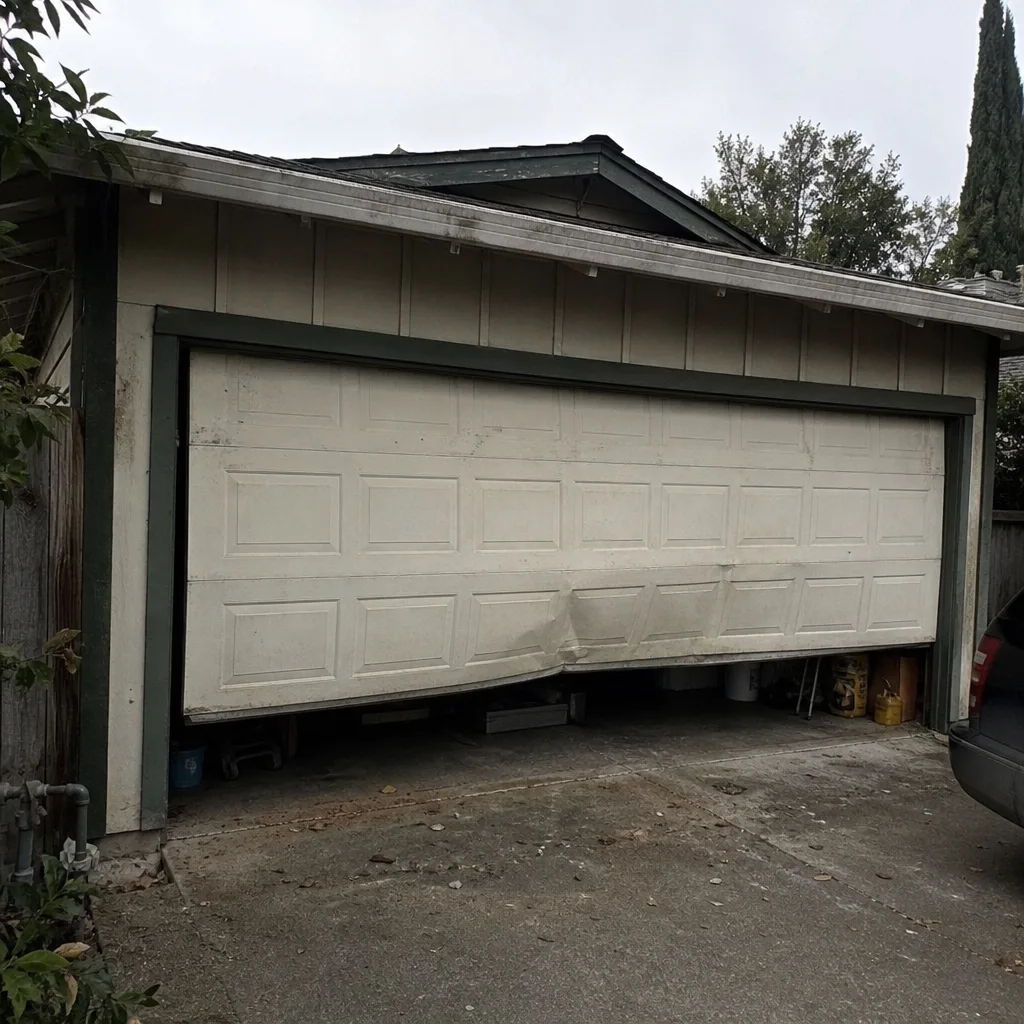 Before
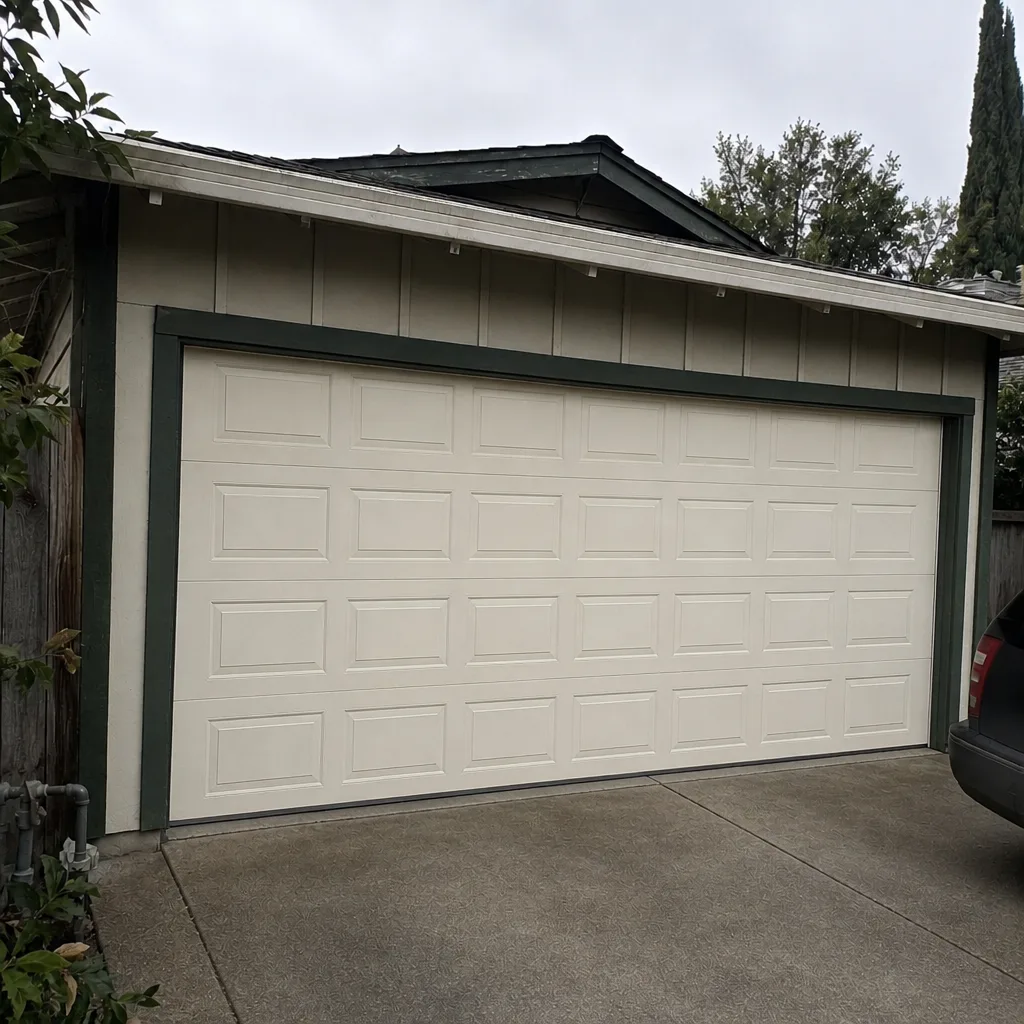 After
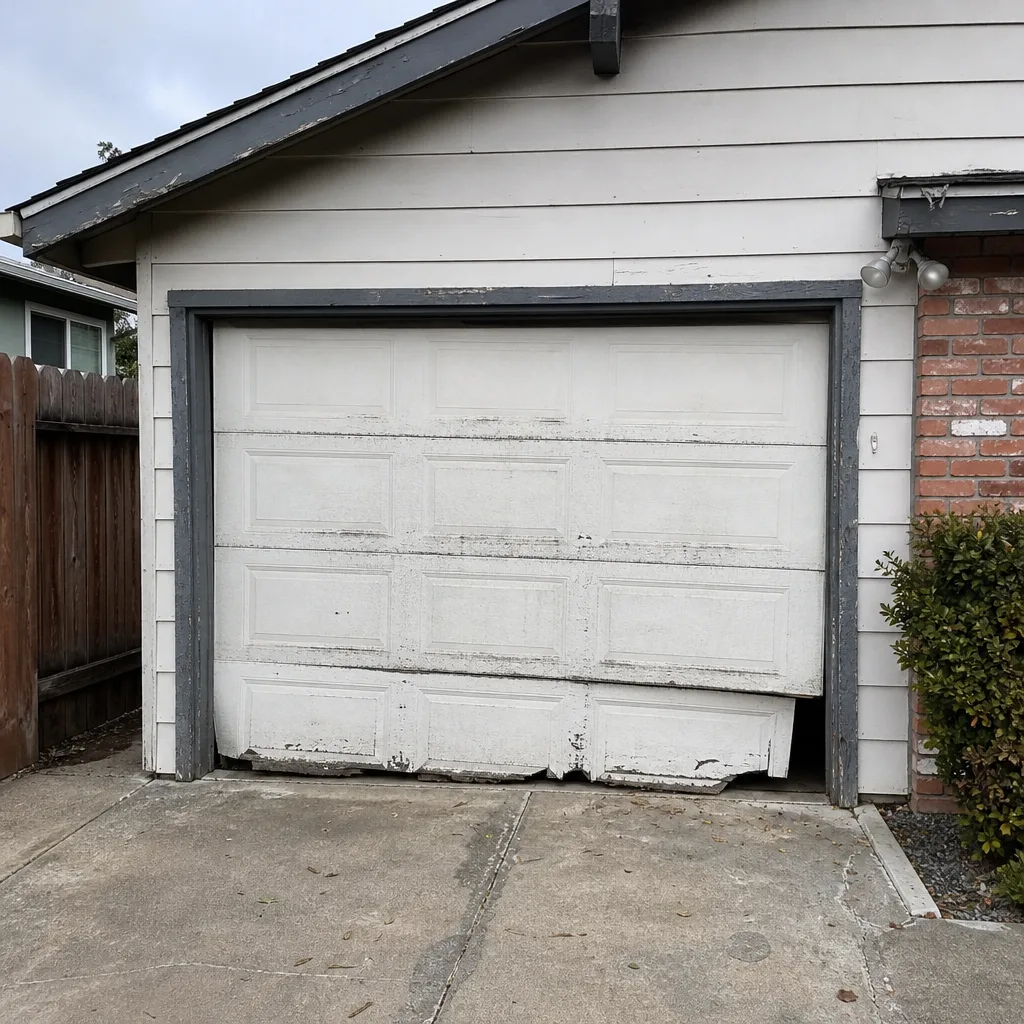 Before
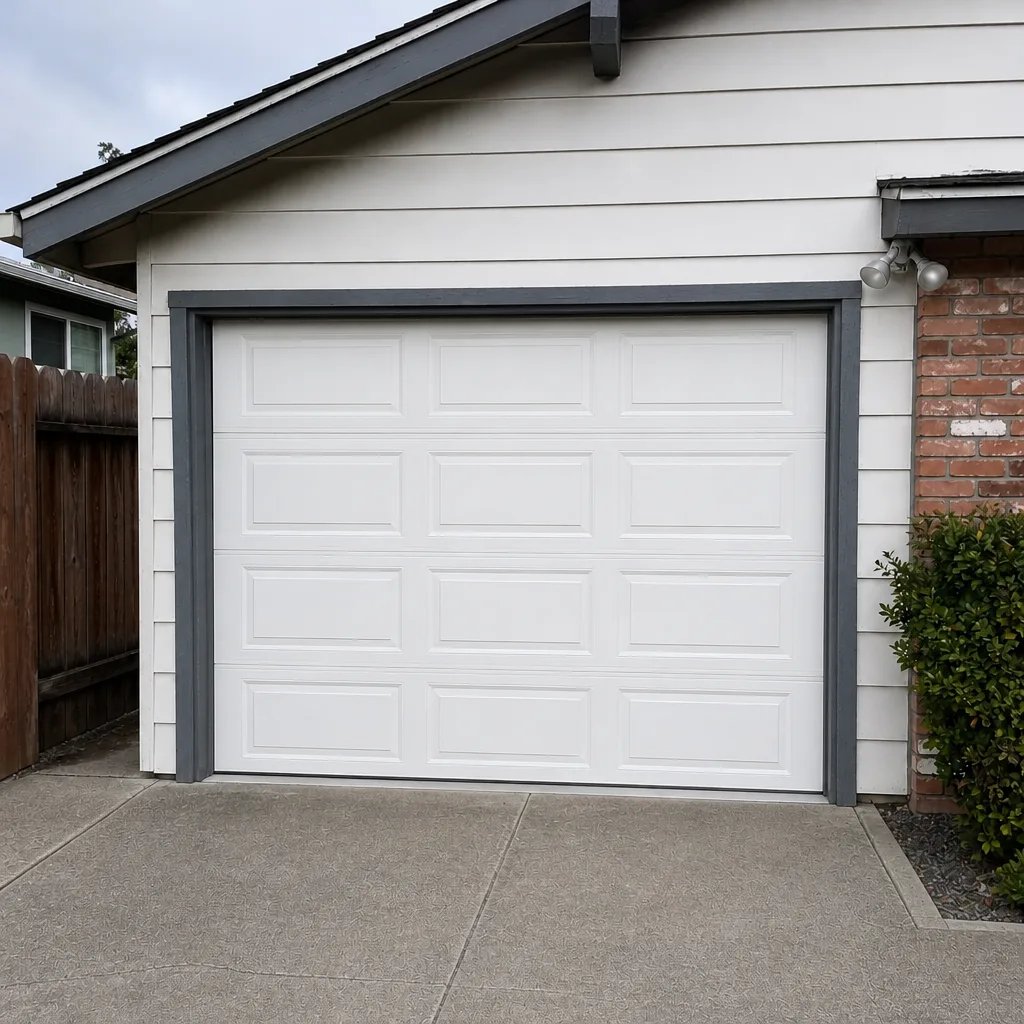 After
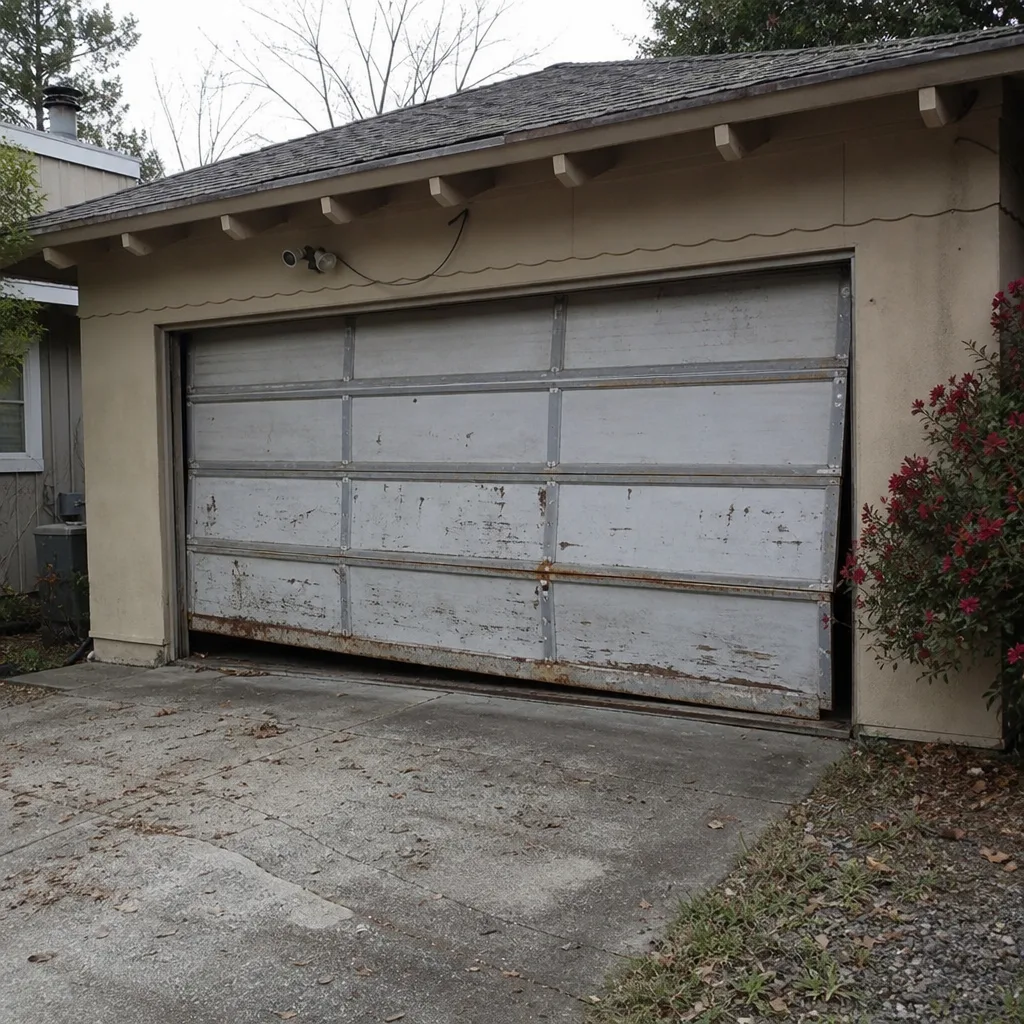 Before
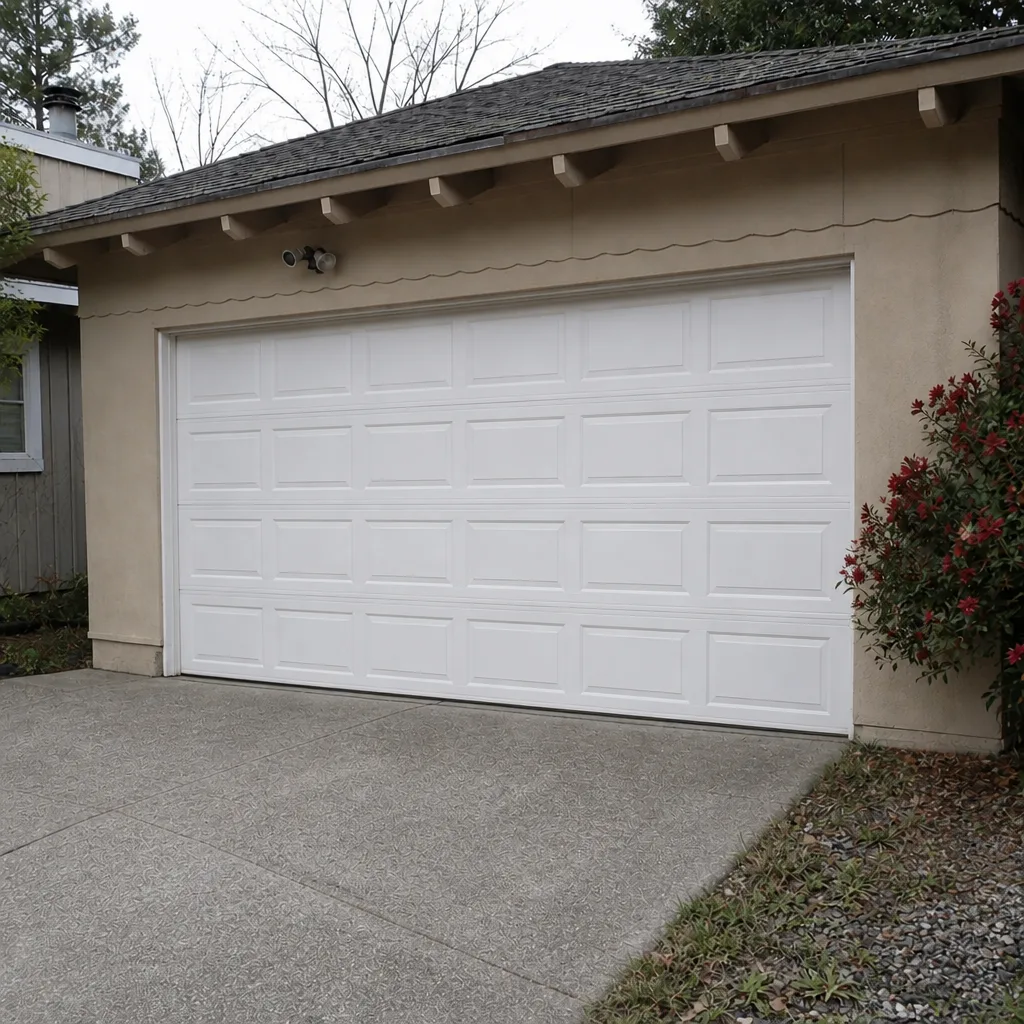 After
When to Call a Professional
Some of this schedule is homeowner work: the monthly safety check, the twice-yearly lubrication pass, the log. The rest belongs to a trained technician. Call a specialist if any of the following apply in Santa Rosa:
- Any torsion spring or cable is broken, hanging, or the door feels unbalanced.
- The door has stopped traveling, reverses mid-cycle, or is stuck open or closed.
- You hear grinding from the opener, or the motor runs without moving the door.
- The door’s panels are dents, bent, or the track has bowed.
- You don’t know the age or history of the door and want a baseline inspection.
Springs, cables, and the torsion assembly involve stored energy that can cause serious injury, and opener electrics should be diagnosed with proper tools. Our team works across LiftMaster, Chamberlain, Genie, Clopay, Amarr, Wayne Dalton, Craftsman and Raynor systems – your brand, not a guess. Signal Garage Door Repair offers free estimates in Santa Rosa, and we quote and agree on a price before any work starts. Call (844) 834-1851. We answer 24/7. Fast dispatch from 7am to 7pm, Sunday through Friday.
Frequently Asked Questions
Most doors need a monthly safety and visual check, a biannual lubrication and balance pass, and an annual hardware inspection – and spring, roller, cable and opener replacement on a cycle-based schedule rather than the calendar. The two parts with finite lives worth tracking in cycles are the springs and the opener motor.
Count the number of open-and-close trips your household makes daily, multiply by 365, and divide the spring’s rated cycles (typically 10,000) by that annual figure. At four trips a day that’s just under seven years to rated life; at six it’s about four and a half. Subtract the door’s age to see how far into that rating you already are. Call (844) 834-1851 for a free inspection if you can’t pin down the age – estimates are free.
No. WD-40 is a solvent and water displacer, not a garage door lubricant, and it strips the grease off hinges, rollers and the torsion spring while leaving the metal exposed. Use a white lithium or dedicated garage door grease on the bearings and hinges, and keep it out of the track.
The wet season wears the bottom seal, hinge pivots and paint first, so the fall check before the rains matters most for seals and weatherstripping, and the spring check matters for rust, track alignment and any wood door damage. Summer heat and dry air dry out bearing grease faster, so late spring is the right time for the lubrication pass.
No. A wound torsion spring stores enough energy to cause serious injury. Broken springs, cables and any adjustment of the torsion assembly should go to a trained technician. Call (844) 834-1851 – we answer 24/7, with fast dispatch from 7am to 7pm, Sunday through Friday.
Record the date of each check, what was inspected or replaced, the door and opener brand and model, any unusual sounds or behavior, and the last balance check result. A written history lets a technician rule out recently serviced parts and diagnose faster, which is often less expensive for you. Keep it simple: a notebook or a phone note works.
The Bottom Line
A garage door is a set of parts on different clocks, not one machine on a single annual schedule. Springs and opener motors are rated in cycles, so count your household’s daily trips and know where your door sits in that countdown. Do the monthly safety check, do the twice-yearly lubrication pass with the right products – not WD-40 – and check the bottom seal before the wet season in Santa Rosa, not after. Keep a written log of everything and keep it where the next technician can see it. Diagnosed, not guessed is the difference between a small adjustment and a mid-morning failure with the car trapped. When you’re ready for a professional baseline, call (844) 834-1851 for a free estimate. We answer 24/7, with fast dispatch from 7am to 7pm, Sunday through Friday. Signal Garage Door Repair is your specialist for the whole door and the whole opener, from Signal Garage Door Repair to Santa Rosa.
Written by the team at Signal Garage Door Repair.