
Last updated November 16, 2026
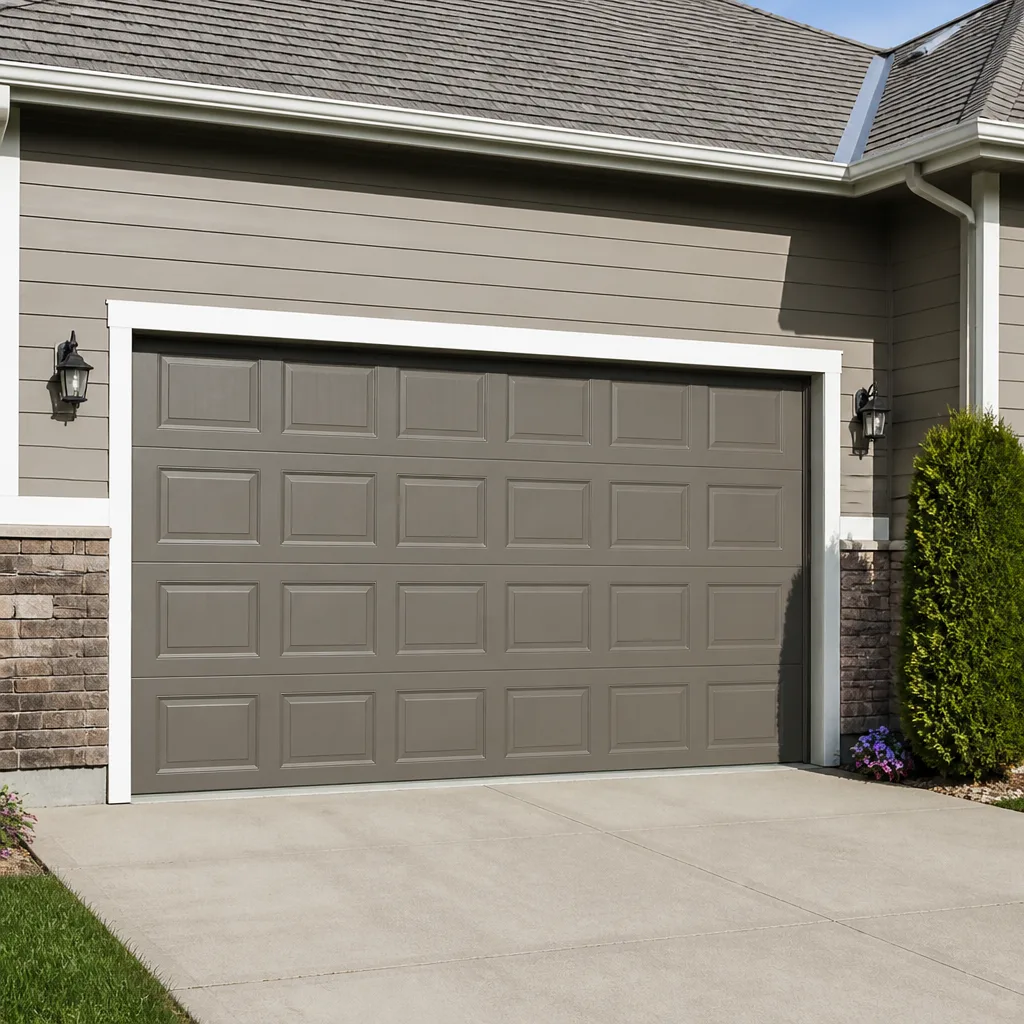 Raised-panel steel
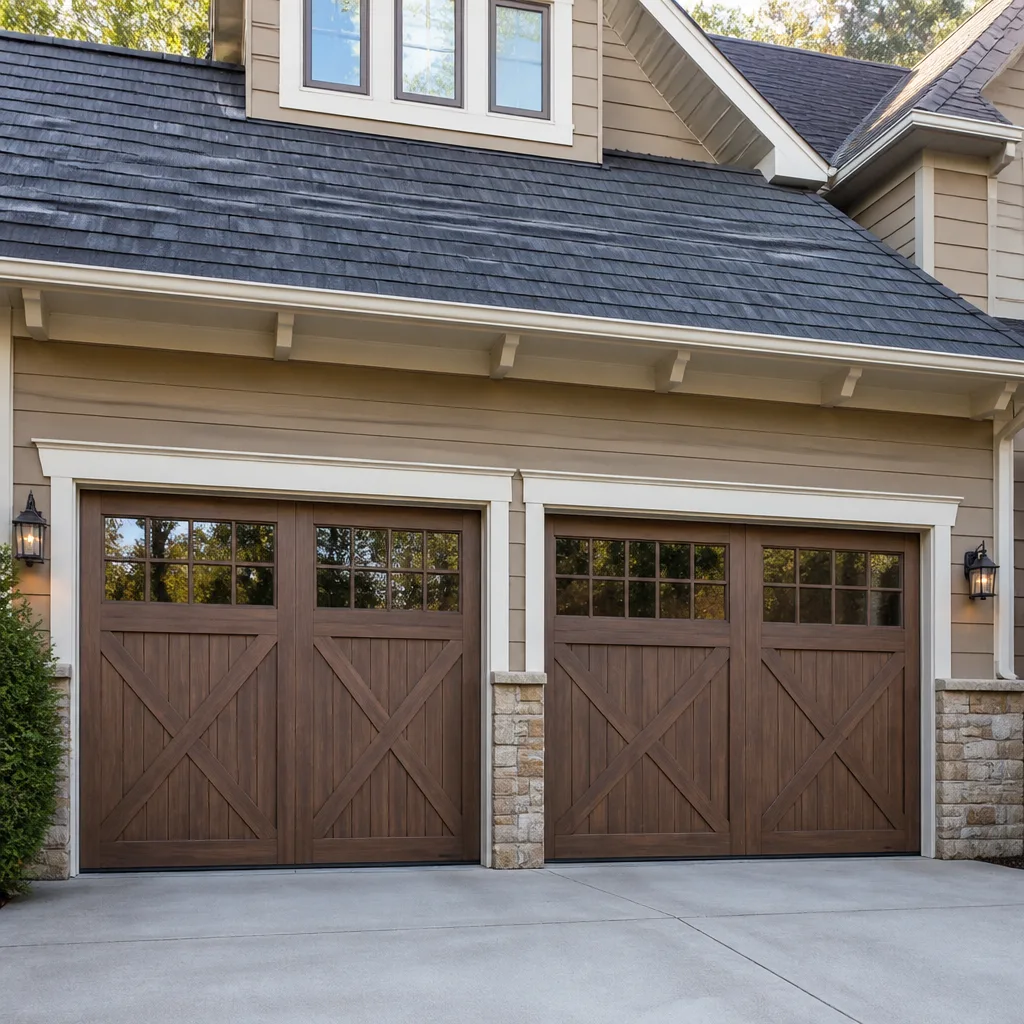 Carriage house
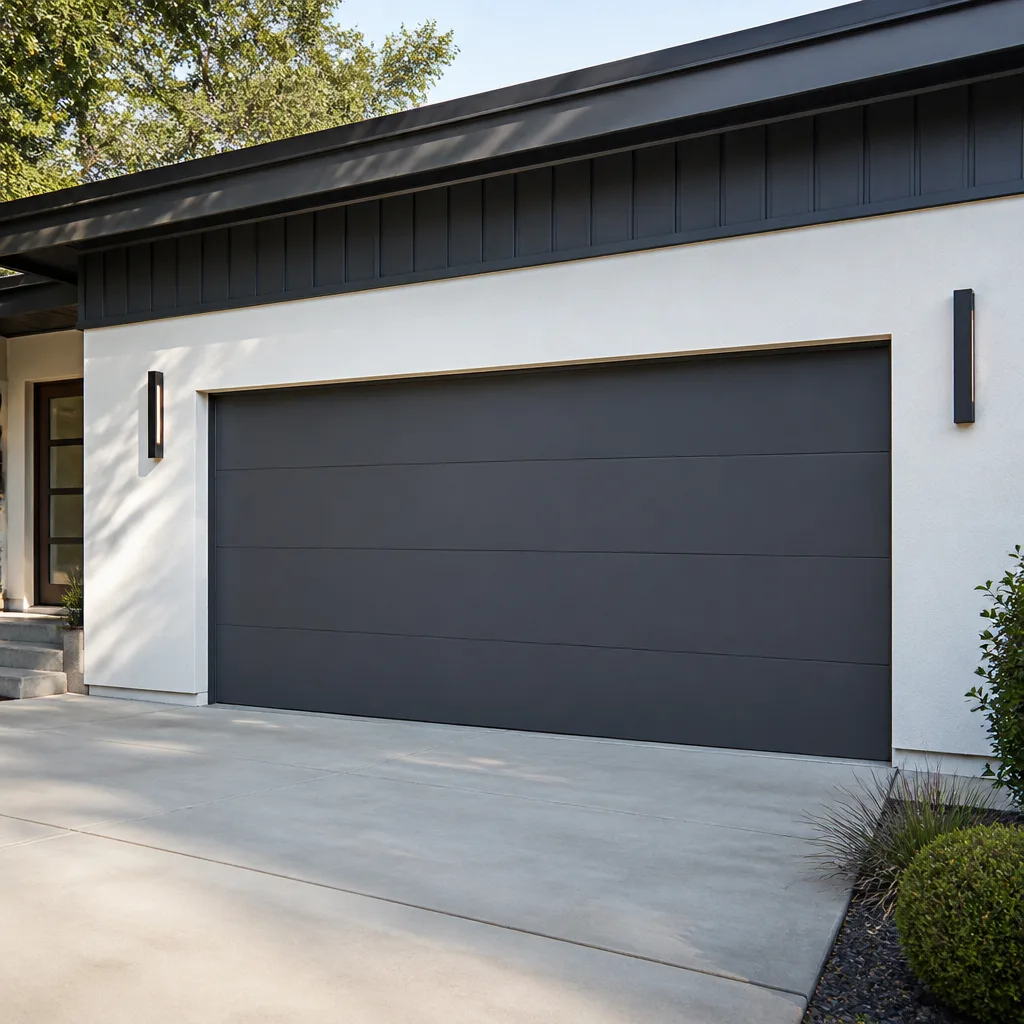 Modern flush
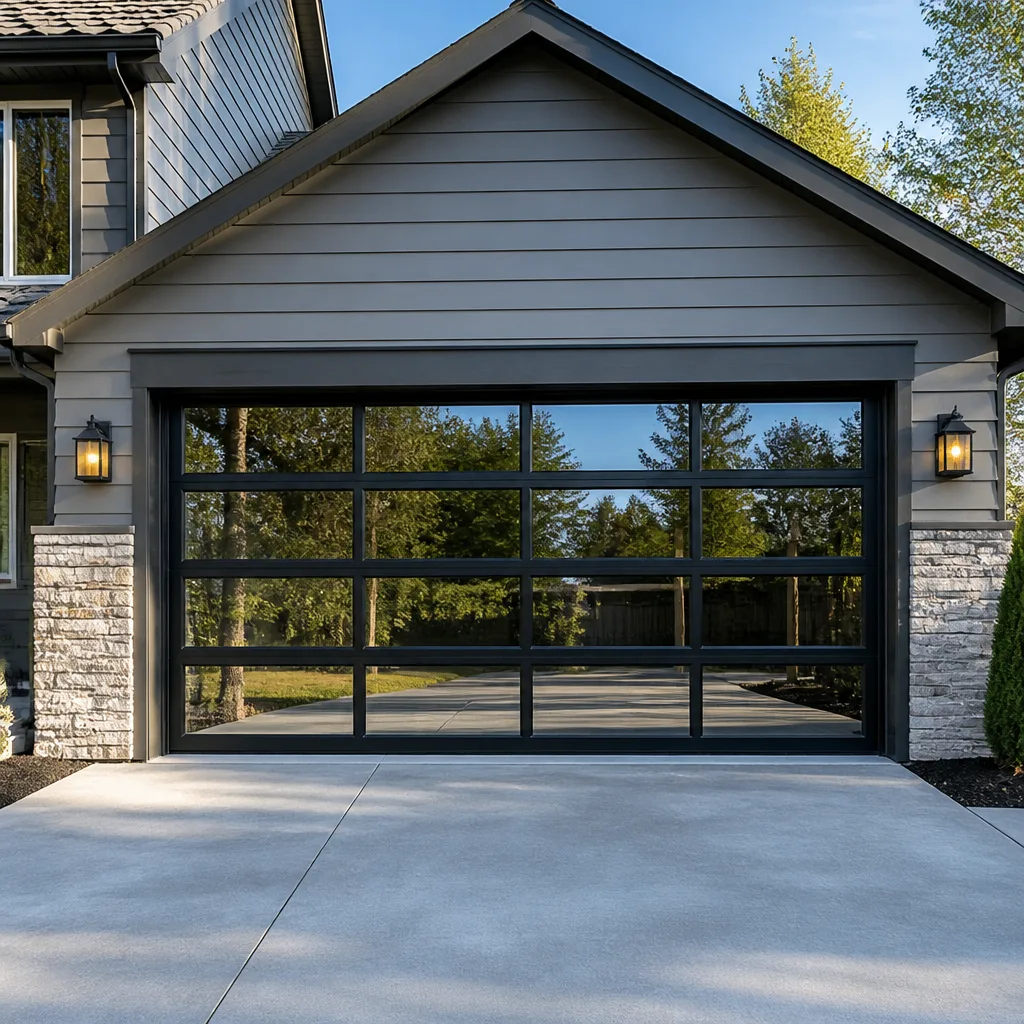 Full-view glass
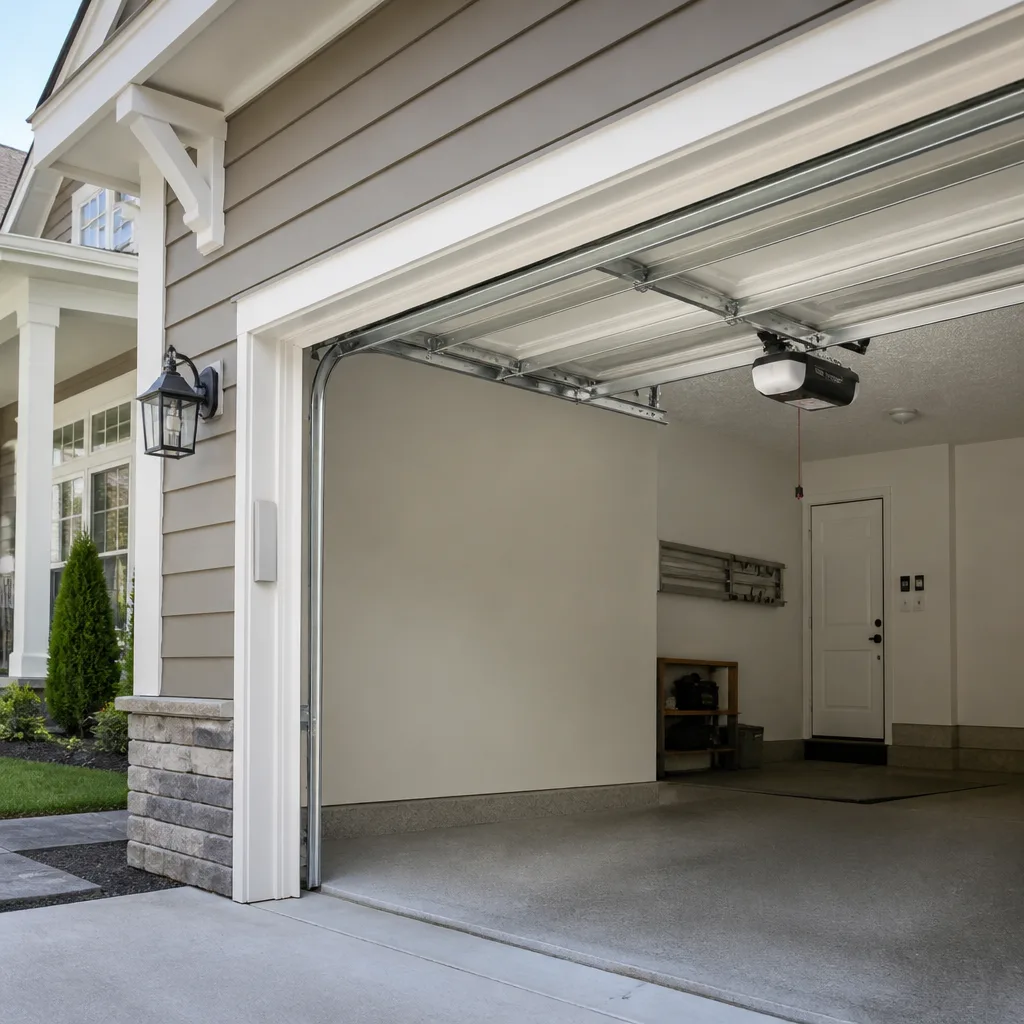 LiftMaster openers
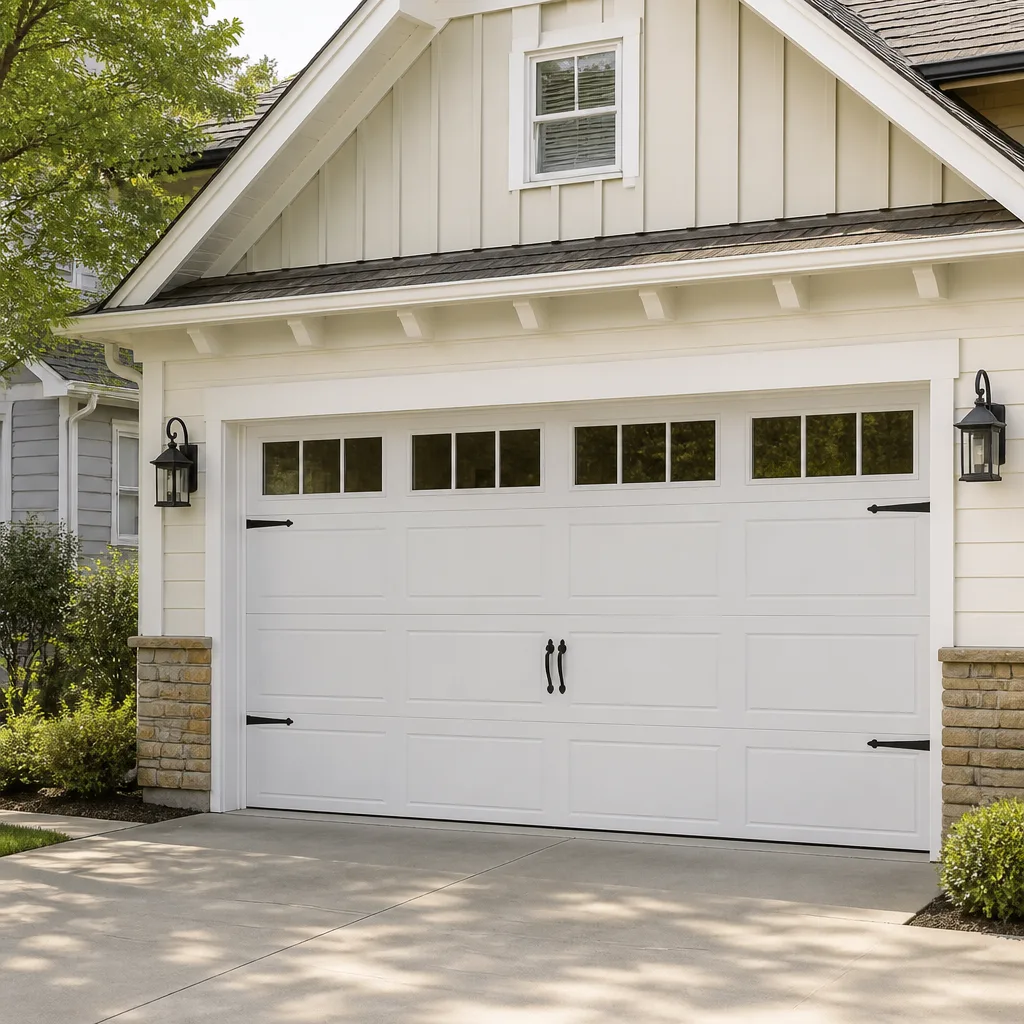 Chamberlain openers
Full 25-point door and opener safety check with every visit - springs, cables, rollers, tracks, and your LiftMaster or Chamberlain opener included
You get a price before we start. It does not change when the pro arrives.
Get your free estimateGarage Door Repair Troubleshooting in Santa Rosa: Common Problems and How to Fix Them
A garage door that “just stopped working” is almost never a single failure. It’s usually the third symptom of a problem that started weeks earlier – a cable that began fraying in winter, a spring that lost tension gradually, an opener gear that wore a little more each week. The fix depends entirely on which of four systems broke first. This guide gives you a diagnostic framework organized by symptom rather than a generic list of “common problems,” so you can tell the difference between a 15-minute adjustment and a job that needs a trained technician. We’ll walk through Santa Rosa’s specific climate factors, the stop signs that mean hands off, and how to secure the door while you wait for service.
Quick Answer
Most garage door failures trace to one of four systems: the opener, the torsion spring, the tracks, or the cables. A door that won’t move at all usually points to the opener or a broken spring; a door that opens partway and stops points to a spring or travel-limit issue; a door that reverses on contact is often a safety-sensor or force-setting problem. Anything involving springs or cables under tension is not a DIY job – shut the door, put the opener in manual release, and call a specialist.
Styles & brands we work with
- Raised-panel steel
- Carriage house
- Modern flush
- Full-view glass
- LiftMaster openers
- Chamberlain openers
Table of Contents
- The Four Systems That Fail – and How to Tell Them Apart
- Symptom: The Door Won’t Open at All
- Symptom: The Door Opens Partway and Stops
- Symptom: The Door Reverses Before It Closes
- Symptom: The Door Makes Noise
- Santa Rosa Climate Factors That Accelerate Wear
- How to Secure the Door in Manual Mode
- When DIY Is Off the Table
The Four Systems That Fail – and How to Tell Them Apart
Every garage door is a balance between four systems working together: the opener (motor, drive, logic board, sensors), the torsion spring system (the counterbalance), the tracks and rollers (the pathway), and the cables (the link between spring tension and door weight). When one fails, it drags the others down. A spring that loses tension makes the opener work harder; an opener that overworks can snap a cable; a bent track can make the whole assembly jam. Diagnosing by system rather than by “the door is broken” is what separates a real fix from a series of guesses.
Here’s the mental model we use. Think of the door’s weight as the problem the spring is solving. The spring holds most of the weight; the opener just pushes the door along. If the spring is tired, the opener fights weight it was never designed to carry. If the opener fails, the spring is still under full tension and the door becomes very heavy and very dangerous to lift. If a cable snaps, the spring is suddenly free and the door can fall. Each of those failure points produces a different symptom, and each calls for a different repair.
The practical value of this framework is speed. If you can identify the system, you can usually tell whether the fix is a simple adjustment – track alignment, sensor realignment, a remote re-pairing – or a job that needs a trained technician. That’s genuinely useful information whether you end up calling someone or not. Signal Garage Door Repair works on LiftMaster, Chamberlain, Genie, Clopay, Amarr, Wayne Dalton, Craftsman, and Raynor equipment, so diagnostic patterns are matched to the actual system in front of us rather than guessed at. More on the full picture of Signal Garage Door Repair and its three core services is available if you want to see the service arc before you call.
Symptom: The Door Won’t Open at All
Total failure to move splits cleanly in two directions based on sound. Walk up to the door, press the wall button, and listen. If you hear the motor running or humming but the door doesn’t move, the opener is alive and the problem is between the opener and the door: a stripped gear, a broken drive coupler, a disconnected carriage, or a broken spring so far gone the opener can’t lift the weight. If you hear nothing at all – no hum, no click – the problem is electrical or logical: a tripped breaker, a dead wall console, a battery in a keypad or remote, or an opener in lock mode.
This is where a brand-specific eye earns its keep. A LiftMaster or Chamberlain opener with a stripped drive gear sounds distinctly different from a Genie with a failed logic board, and the diagnostic path is different too. Craftsman units and older Raynor openers sometimes fail at the wall console before anything else, while newer smart-drive openers often lock you out when a safety sensor loses its beam. In our experience, the answer is found in the sound and the brand together, not by trial and error.
A stepwise approach to a dead door:
- Check the wall button and the opener’s power source. A tripped breaker is the most common “dead door” cause and costs nothing to fix.
- Try a second remote or the wall console. If one works and the other doesn’t, the problem is the remote, not the door.
- Look at the safety sensor LEDs on both sides of the door. If either is dark or flickering, the opener may be refusing to move because it can’t confirm the path is clear.
- Listen at the opener. A hum with no movement means the drive or the spring. Silence means power or logic. Use that split before doing anything else.
- If the door feels heavy when you pull the manual release, don’t raise it. That heaviness is a spring problem, and a door with a broken spring can drop suddenly.
If the power checks out and the door is still dead, the issue is inside the opener or the spring system, and neither is a job to take on blind. garage door repair in Santa Rosa starts with a diagnostic visit that answers the question in minutes rather than an afternoon of guessing.
Symptom: The Door Opens Partway and Stops
A door that lifts a foot or so and then stalls is almost always fighting weight it can’t carry. Nine times out of ten the spring is fatigued, broken, or out of adjustment. The other ten percent is a travel-limit setting on the opener that has drifted, or a track obstruction stopping the door physically. The diagnostic question is simple: does it stop at the same height every time, or does it vary? Consistent height means a limit switch or a spring at a specific point of its travel. Random height means an obstruction, a sensor, or a binding roller.
To separate the causes, disconnect the opener (pull the manual release cord so the carriage detaches from the door). Then try lifting the door by hand – just a few inches, not a full lift, and stop immediately if it feels heavy. A balanced door should lift with two fingers and stay where you leave it. If it drops back down or needs real effort, the spring is the problem, and that means professional help. If the door moves smoothly by hand, the fault is in the opener’s travel-limit programming, and that’s often a settings adjustment rather than a hardware repair.
Santa Rosa homes built in the 1970s and 1980s – common across neighborhoods like Coffey Park, Bennett Valley, and the older streets off Montgomery Drive – often still have the original torsion springs from that era. Springs are rated in cycles, not years, and a spring that has lifted a door four or five times a day for a couple of decades is well past its rating even if it hasn’t failed yet. A partial-open symptom on a door that age is a spring fatigue signal, not a mystery. Don’t ask the opener to fix a spring problem; the opener will eventually stop trying.
Symptom: The Door Reverses Before It Closes
A door that goes down, touches or nears the ground, and then reverses is doing exactly what it was designed to do – it just thinks something is in the way. The two most common culprits are misaligned safety sensors and a force setting that has drifted too sensitive. Opener brand matters here because the sensor logic differs: LiftMaster and Chamberlain systems use a paired beam and will refuse to close if either lens is obstructed or out of aim, while Genie and Craftsman systems sometimes present the same symptom from the wall console’s obstruction logic rather than the beam itself.
Start with the sensors. Both should have a solid LED facing each other, and the lenses should be clean. A single spiderweb, a leaf, or a shifted bracket can block the beam – especially after a windy stretch or a garden cleanup along the driveway. Wipe the lenses, check that the brackets haven’t been knocked, and realign so the beam centers on the opposite sensor. Then test with a small object in the path to confirm the door reverses.
If the sensors are clean and aligned and the door still reverses, the opener’s force setting has likely drifted or the door is binding in the tracks. A binding door feels stiff on the way down – you’d notice it as a slight hesitation or a grab partway through the descent. That’s a track or roller issue, not a sensor problem, and it needs the tracks checked before the opener’s force setting is changed. Adjusting the force setting on a binding door masks the real problem and stresses the opener. That applies across every brand we service; it’s a mechanical truth, not a brand quirk.
Symptom: The Door Makes Noise
Noise is the most diagnosable symptom of the four, because the type of sound points straight to the failing component. A rhythmic squeak that matches the door’s travel is dry rollers or hinges. A grinding sound that continues after the door stops is the opener’s gear or drive. A sharp metallic pop is a spring that has just broken. A rattling from the top of the tracks is a loose bracket. A scraping noise along one side is a cable rubbing against a worn drum or a bent track. Match the sound to the location and you’ve narrowed twenty possibilities down to two or three.
Some noise is normal. A door that sits above a bedroom in a two-story Santa Rosa home will transmit more sound than one over a garage alone, and older doors with steel rollers are simply louder than modern nylon ones. But noise that appears suddenly or changes pitch is a signal. A door that used to be quiet and now grinds is telling you something has shifted. A door that used to squeak lightly and now pops is telling you a spring is on its last cycle. Don’t wait for the pop to become a bang; schedule the inspection while the door still moves.
This is also where brand-specific knowledge pays off. A Wayne Dalton door with the TorqueMaster spring system sounds different from a traditional torsion setup, and a Raynor commercial-style door in a large residential garage makes a sound profile that a technician who only works on one brand might misread. We work on all eight major brands (LiftMaster, Chamberlain, Genie, Clopay, Amarr, Wayne Dalton, Craftsman, Raynor) so the diagnosis starts from the actual system rather than a starting assumption.
Santa Rosa Climate Factors That Accelerate Wear
Santa Rosa’s climate is mild compared to the rest of the country, but mild doesn’t mean neutral. The combination of wet winters and warm, dry summers changes how fast certain garage door components wear. Coastal moisture carried on the prevailing breeze moves inland through the Santa Rosa Plain and settles in the fog belt that hugs neighborhoods like Sebastopol Road, Roseland, and the west side toward Fulton. That moisture doesn’t rust a garage door overnight, but it does accelerate cable fraying and lubricant breakdown over many seasons. Cables that would last a decade in a dry climate can show early fraying here as the strands corrode and flex.
The temperature swings are the other factor. Santa Rosa summers hit the 90s while the fog-cooled mornings can be thirty degrees cooler. That daily expansion and contraction works on the torsion spring every single day, slowly fatiguing the steel and thinning the lubricant film inside the coils. Springs are rated in cycles, but a spring in a climate with wide daily swings will often hit its cycle limit faster than the label suggests. This is why we see spring failures in Santa Rosa across all brands – not brand-specific failures, but a climate effect applied evenly to every door.
Add the valley dust that blows in late summer and early fall, and you get tracks and rollers that bind more than they would in a wetter or greener climate. Rollers that need lubrication stick and skip, which stresses the opener and adds noise. The practical takeaway: if your door is ten years old or more, watch the cables for fraying, listen for a change in the spring’s tone, and keep the tracks clean. We see the wear patterns every week in Santa Rosa, and they’re consistent enough to be predictable.
How to Secure the Door in Manual Mode
If the door is stuck open or stuck closed and you need to secure it before service arrives, the manual release is your tool. Most troubleshooting guides skip this, and it’s the step that keeps a bad situation from getting worse. The manual release cord is the rope that hangs from the opener’s carriage – usually red-handled – and pulling it disconnects the opener from the door so the door can be moved by hand. The door then rests on its springs, so this is only safe if the springs are intact. If the door is heavy or drops when you try to lift it, leave it alone and call.
To put a working door into manual mode:
- Close the door fully first if you can. A closed door is a secured door, and the springs are under the least stress when the door is down.
- Pull the manual release cord straight down and toward the opener. You’ll hear the carriage click free.
- Test the door by hand – just a few inches. If it’s balanced and light, you can move it. If it’s heavy, stop and leave it where it is.
- If you need to keep the door closed, lower it fully by hand and slide a C-clamp or locking pliers onto the track just above a roller on each side. That physically stops the door from opening. Don’t rely on the opener to hold a disconnected door.
- If the door is stuck open, lower it by hand until it’s fully down, then clamp both tracks. Never leave a disconnected door open and unattended – it can drop or be lifted from outside.
- Reconnect the carriage only after the repair, by running the opener until the carriage re-engages. Pulling the release again isn’t how you reconnect; the opener’s travel does it.
If you’re not comfortable with the clamp-and-track step, the safe move is to leave the door as-is and call. A garage door that’s stuck open is also a security gap, so getting it closed matters. Call (844) 834-1851. We answer 24/7. Fast dispatch from 7am to 7pm, Sunday through Friday.
When DIY Is Off the Table
Some repairs are genuinely within reach for a careful homeowner: realigning a safety sensor, cleaning the tracks, replacing a remote battery, wiping down and lubricating rollers, tightening a loose bracket. Other repairs are not, and it’s not a matter of skill – it’s a matter of stored energy. The torsion spring on a standard residential door holds enough force to cause serious injury if it releases unexpectedly, and the cables that connect the spring to the door are under that same tension. That’s the line.
Specifically, do not attempt any of these yourself:
- Winding, unwinding, or replacing a torsion spring. The winding bars and the stored energy are a trained-technician job, period. Every brand.
- Replacing a cable. A snapped cable releases stored energy, and threading a new one requires the spring to be de-tensioned safely first.
- Adjusting the opener’s force or travel limits to compensate for a heavier door. If the door is heavy, the spring is the problem, and changing the force setting just wears the opener out faster.
- Straightening a bent track that has a door under load. The door’s weight is on the track; releasing it wrong is how doors fall.
- Lifting a door with a broken spring. The opener can’t lift it, and neither can you safely – a door with a failed spring can drop without warning.
- Working on opener wiring at the panel. Line voltage is present even when the opener is “off.”
For any of those, a trained professional is the only safe route. If you’re not sure which category your problem is in, the answer is usually in the sound and the weight test described above. When in doubt, stop, secure the door, and get a diagnosis. Our team has up to 15 years of experience with exactly these failure patterns, and the visit is a diagnosis, not a guess.
Opener-Specific Diagnostics
Opener repair is a specialty of its own, and it’s worth separating from door repair because the diagnostic logic is different. An opener fails along electrical and drive lines – the logic board, the drive gear, the capacitor, the travel-limit switches, the safety sensors, and the remote-pairing memory. A door fails along mechanical lines – springs, cables, tracks, rollers, hinges, panels. When you call for garage door opener repair, the technician is diagnosing the motor and its controls, not the door itself, and vice versa. Knowing which service you actually need saves a trip.
The brand split matters here too. LiftMaster and Chamberlain openers share a lot of internal architecture and a lot of failure patterns – drive gear wear, capacitor failure, sensor logic. Genie and Craftsman have their own patterns; Craftsman in particular has a long tail of units in Santa Rosa homes that behave in specific ways as they age. We work on all four of those opener brands as well as complete Clopay, Amarr, Wayne Dalton, and Raynor door systems. That’s why we describe our approach as Santa Rosa-based diagnostics by brand rather than a one-size approach. If you’re comparing repair and replacement, the brand and age of the opener usually guide the decision more than the door does.
Common Mistakes to Avoid
- Adjusting the opener’s force setting to fix a heavy door. A heavy door means the spring has failed or is fatigued; raising the force setting makes the opener work harder and typically shortens its life. Fix the spring, not the force setting.
- Lubricating the tracks. Tracks shouldn’t be greased – grease catches dust and turns into a grinding paste in Santa Rosa’s dry months. Lubricate the rollers and hinges, not the tracks.
- Ignoring a small cable fray near the drum. A fray is the beginning of a snap. In a wet-winter climate like Santa Rosa’s, corrosion on the strands accelerates the failure. Inspect and replace early.
- Replacing an entire opener when the sensor is the problem. A door that reverses often gets a new opener when a sensor realignment or a cleaned beam lens would have fixed it. Diagnose before replacing.
- Using the manual release and leaving the door unsecured. A disconnected door isn’t held by the opener, and it can drop. If you disconnect, clamp the tracks or get a technician out.
- Waiting through a “grinding” phase hoping it fixes itself. It won’t. Grinding is a worn gear or a bad bearing, and it gets worse, not better. Early repair is cheaper than a late repair, and a late repair is often a replacement.
- Hiring a generalist for a brand-specific problem. A Wayne Dalton TorqueMaster, a Raynor commercial-adjacent system, and a modern LiftMaster smart opener each have specific failure patterns. A specialist recognizes them; a generalist learns them at your expense.
See the difference
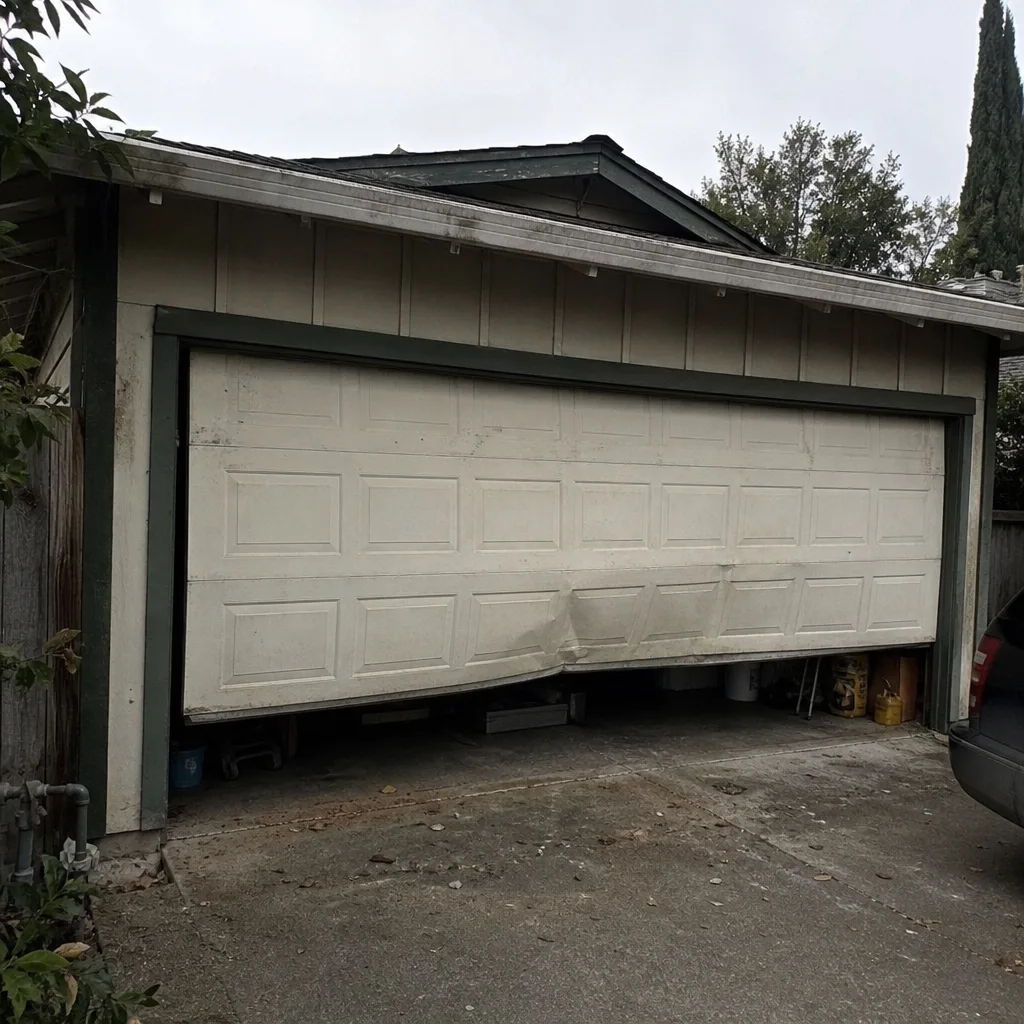 Before
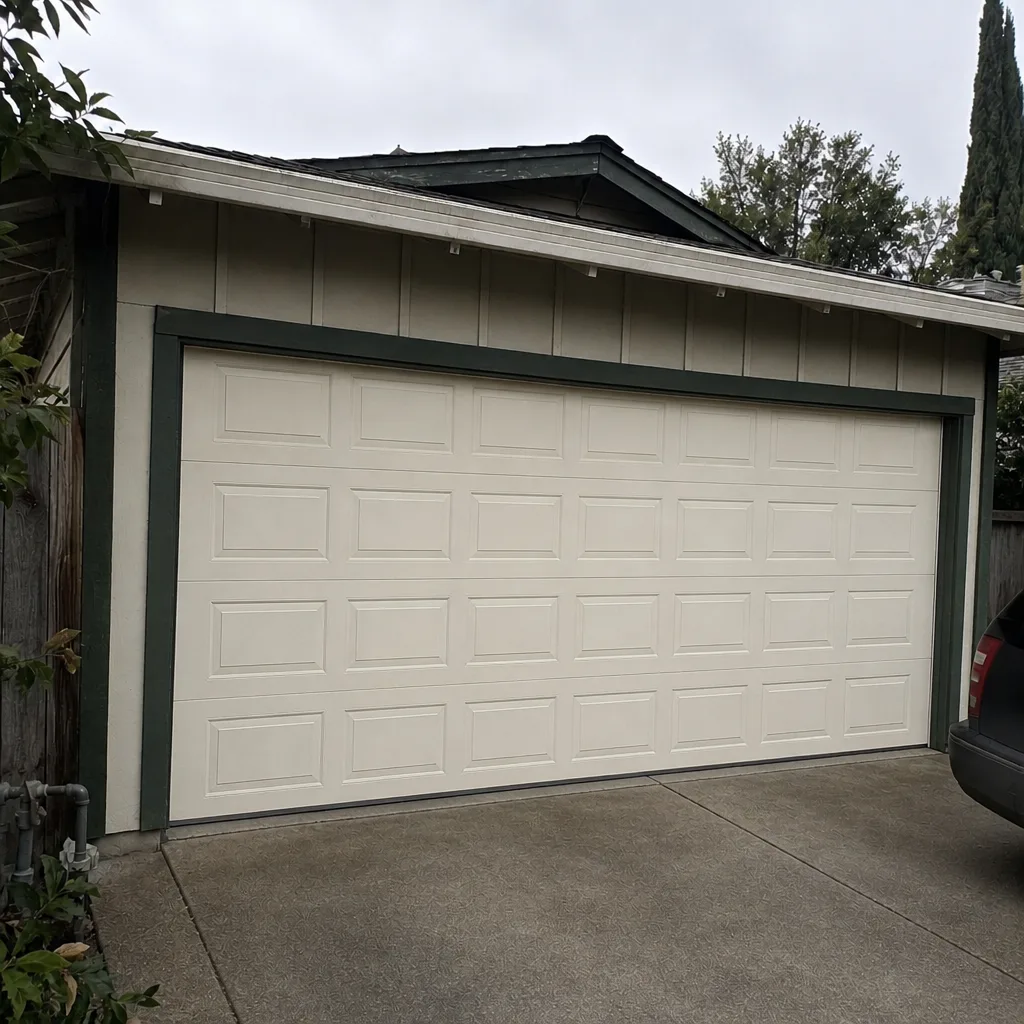 After
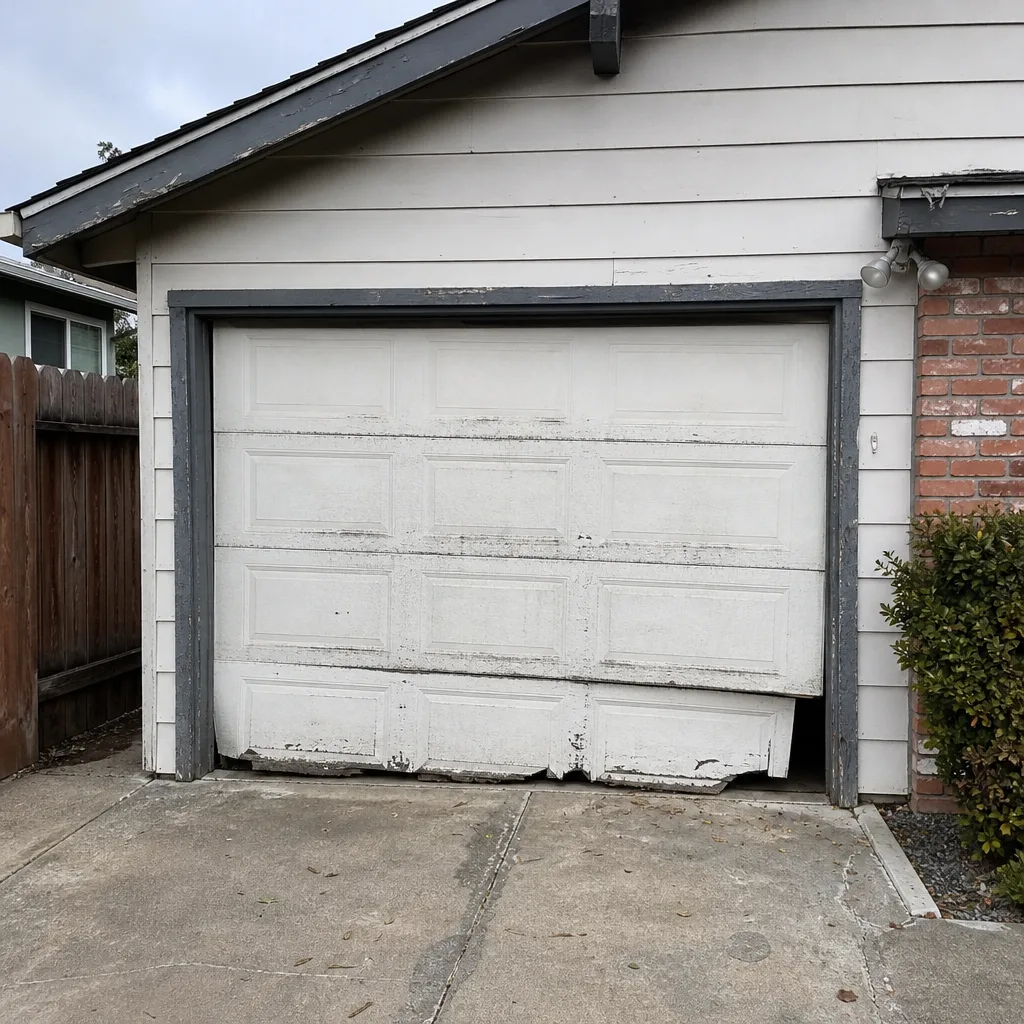 Before
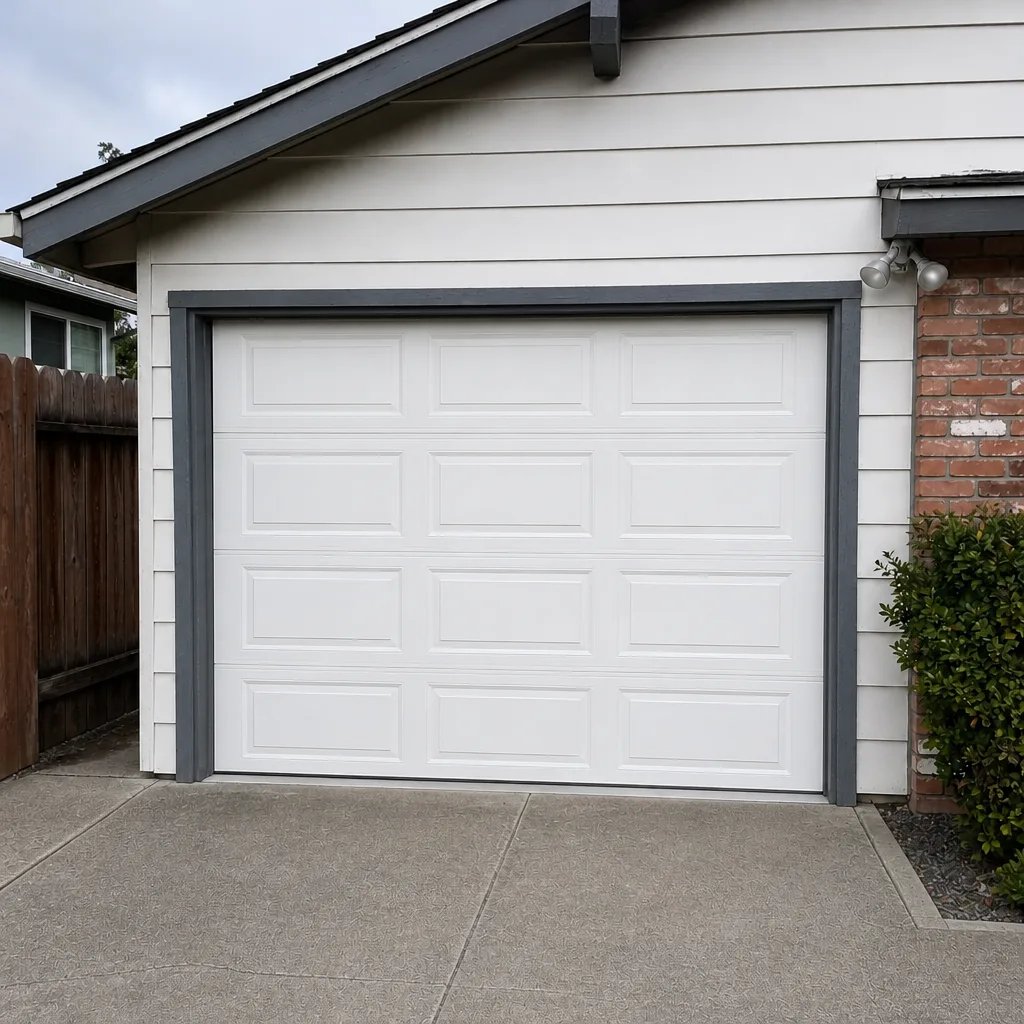 After
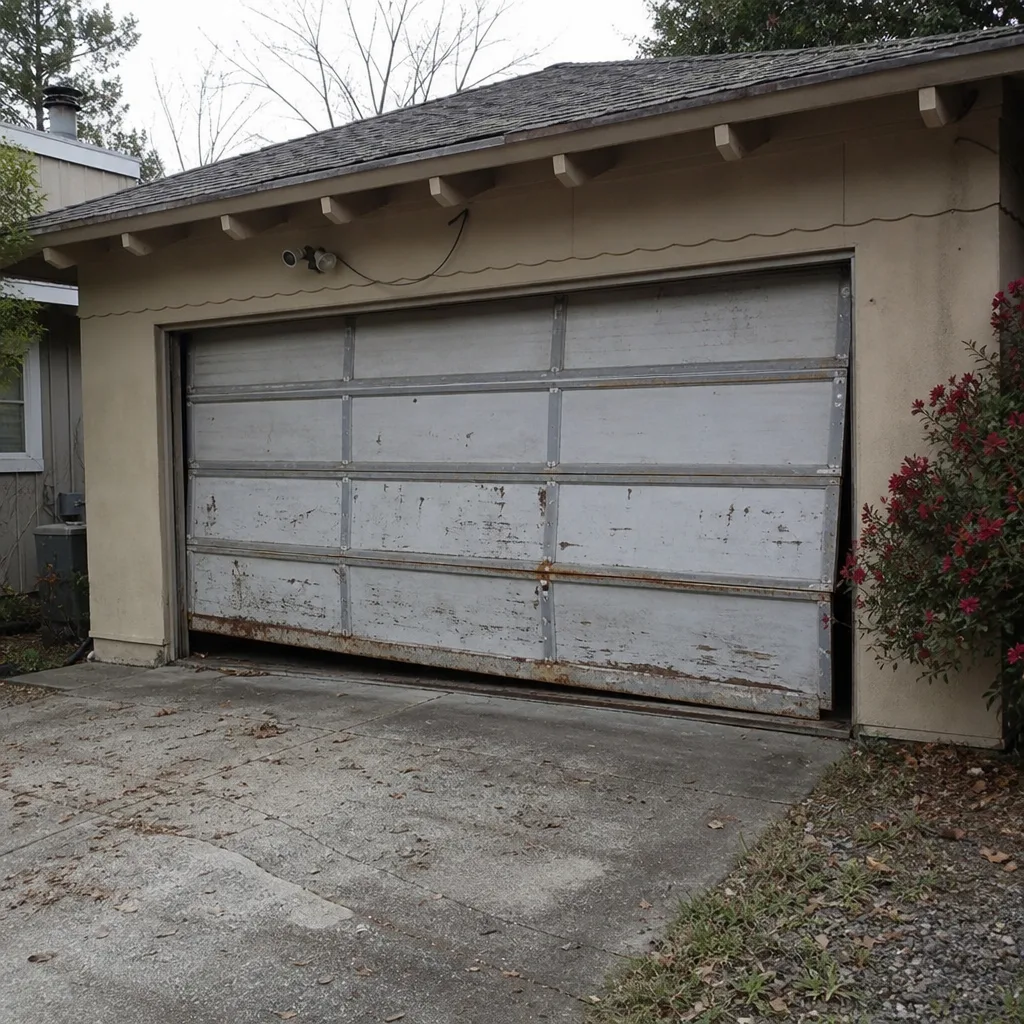 Before
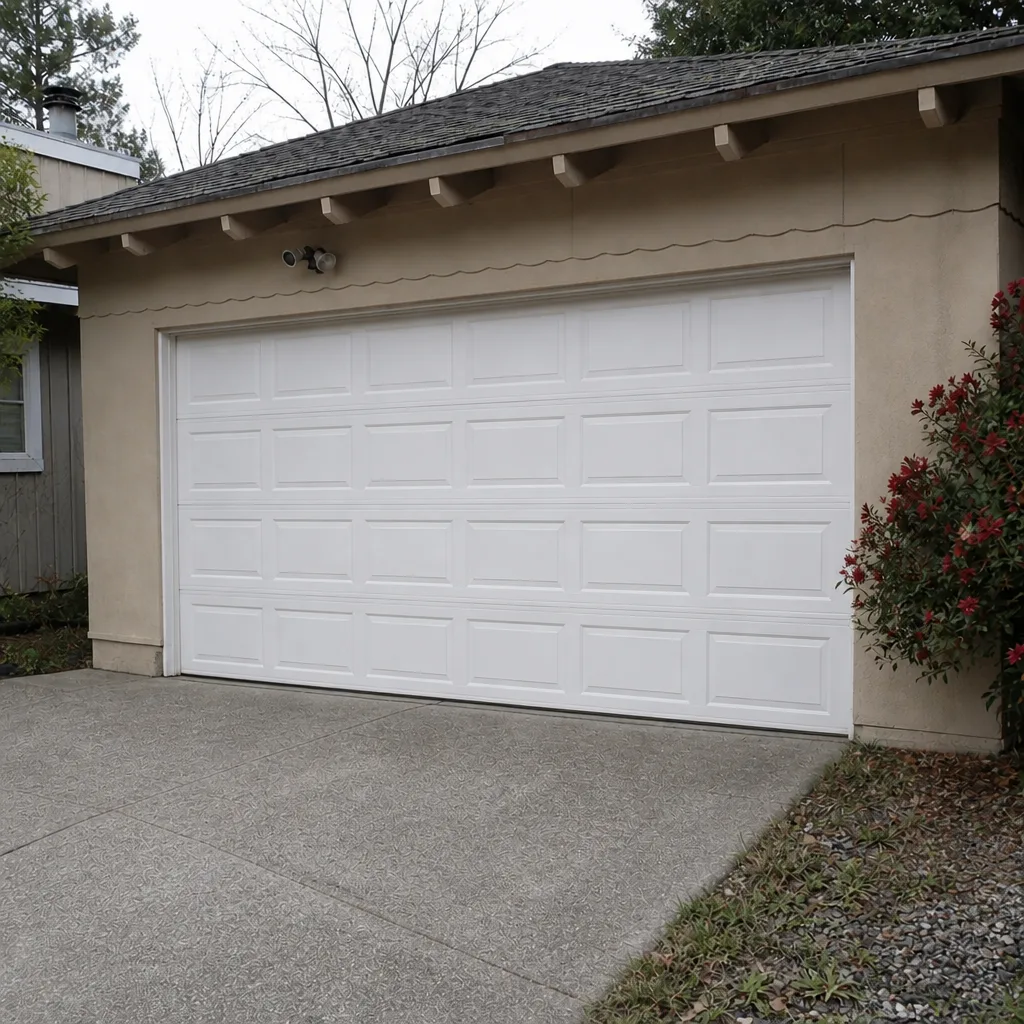 After
When to Call a Professional
Call a professional if any of the following is true: the door feels heavy when you lift it by hand; a cable is visibly frayed, twisted, or hanging; a spring is broken (you’ll often see a gap in the coil); the door has dropped or fallen; the opener runs but the door doesn’t move; the door reverses intermittently and sensor cleaning hasn’t fixed it; or you’re simply not sure which system is at fault. Those cover the vast majority of calls we take in Santa Rosa, and each one is a case where guessing costs more than a diagnosis. Signal Garage Door Repair offers free estimates in Santa Rosa – call (844) 834-1851. We answer 24/7. Fast dispatch from 7am to 7pm, Sunday through Friday.
Frequently Asked Questions
Typical garage door repair in Santa Rosa runs from around $150 to $450 depending on the system – sensor realignment and adjustment work sits at the low end, and spring or cable replacement sits at the higher end. A pair of torsion springs is usually replaced together and costs about twice a single spring, so a matched pair runs roughly double the single-spring price. The written estimate sets the final price, and the price is quoted and agreed before any work starts. Call (844) 834-1851 for an exact quote – estimates are free.
We aim for same-day service on repair calls whenever the schedule allows, and stuck doors and broken springs get priority. We answer 24/7, and dispatch runs 7am to 7pm, Sunday through Friday. A call outside dispatch hours is booked into the next opening. Call (844) 834-1851 and we’ll give you a real window rather than a vague promise.
The written estimate is the price. If the diagnosis changes what needs to be done, you’ll hear about it before any work starts, and you decide whether to go ahead. We don’t start a job and surprise you at the end. That’s the whole point of the Signal name – clear communication about what’s wrong, what it costs, and what to expect. Call (844) 834-1851 for a free estimate.
Yes. The technicians who perform work through us are state-licensed and insured, and our technicians have up to 15 years of experience with the systems they service. We work only on garage doors and openers – not as a general home-services company where garage doors are a side service – so the person at your door is doing this work every day. Call (844) 834-1851 for a free estimate.
Repair is often the right call if the panels, tracks, and opener are sound and the failure is a spring, cable, roller, or sensor issue. Replacement makes more sense when the door is dented, the panels are separating, the opener is failing on multiple fronts at once, or the repair cost is climbing toward the replacement cost. In Santa Rosa, a door that’s been through two decades of wet winters and dry summers is worth having inspected before committing to a replacement – the answer is usually clear once the door is in front of a technician. Call (844) 834-1851 for a free estimate.
A blinking opener light is usually a diagnostic code, not a failure. Different brands flash different patterns – LiftMaster and Chamberlain often blink to signal a sensor or safety-reverse issue, while Genie and Craftsman use light patterns for logic and travel-limit problems. Count the flashes, check the sensor LEDs on both sides of the door, and if the sensor path is clear and the light still blinks, it’s worth a diagnostic visit. Call (844) 834-1851 – estimates are free.
The Bottom Line
Most Santa Rosa garage door failures come down to one of four systems, and the symptom you see points to the one that broke first. Listen for the sound, test the door’s weight by hand, check the sensors, and use the partial-open test to separate a spring problem from an opener problem. Anything that involves stored spring energy or a tensioned cable is not a DIY job – secure the door, get it diagnosed, and fix it once. We work across eight major brands (LiftMaster, Chamberlain, Genie, Clopay, Amarr, Wayne Dalton, Craftsman, and Raynor), so the diagnosis starts from your system, not a guess. Call (844) 834-1851 for a free estimate. We answer 24/7. Fast dispatch from 7am to 7pm, Sunday through Friday.
Written by the team at Signal Garage Door Repair.