
Last updated November 16, 2026
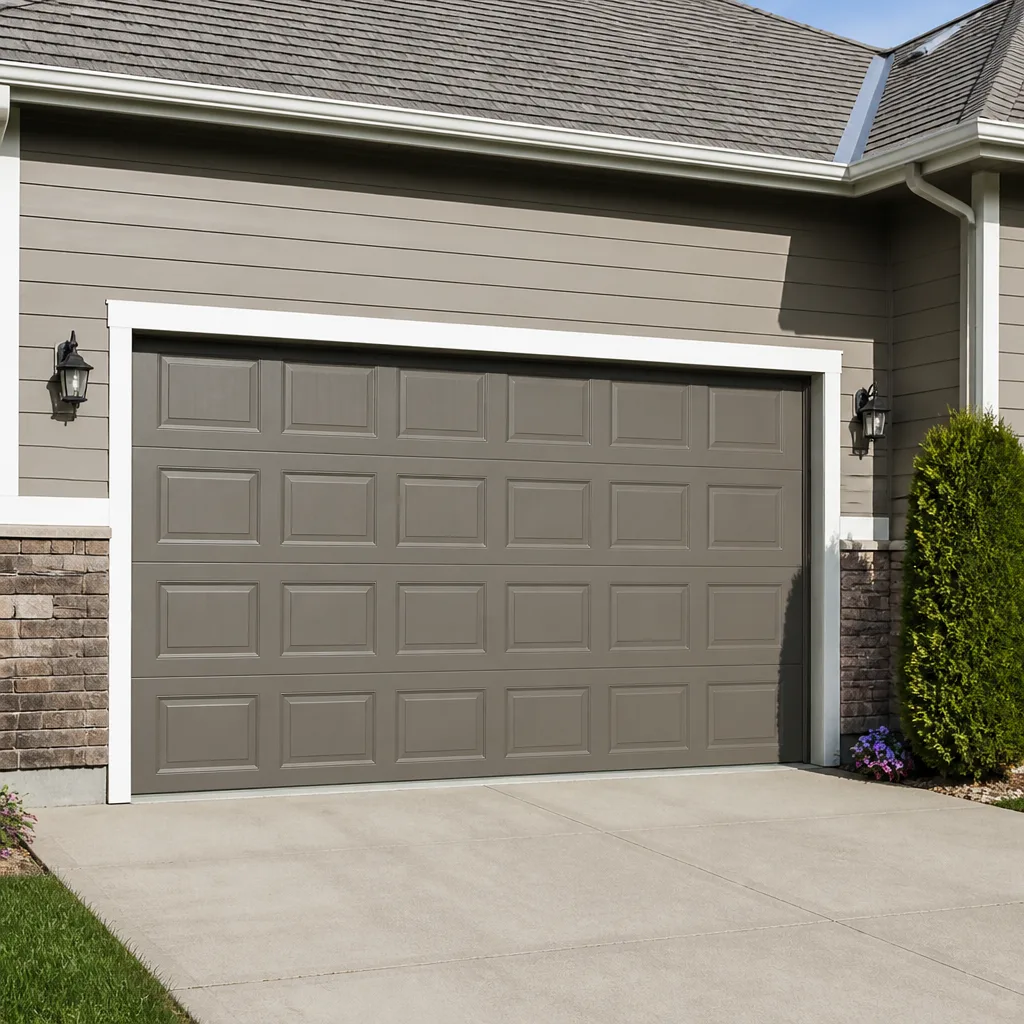 Raised-panel steel
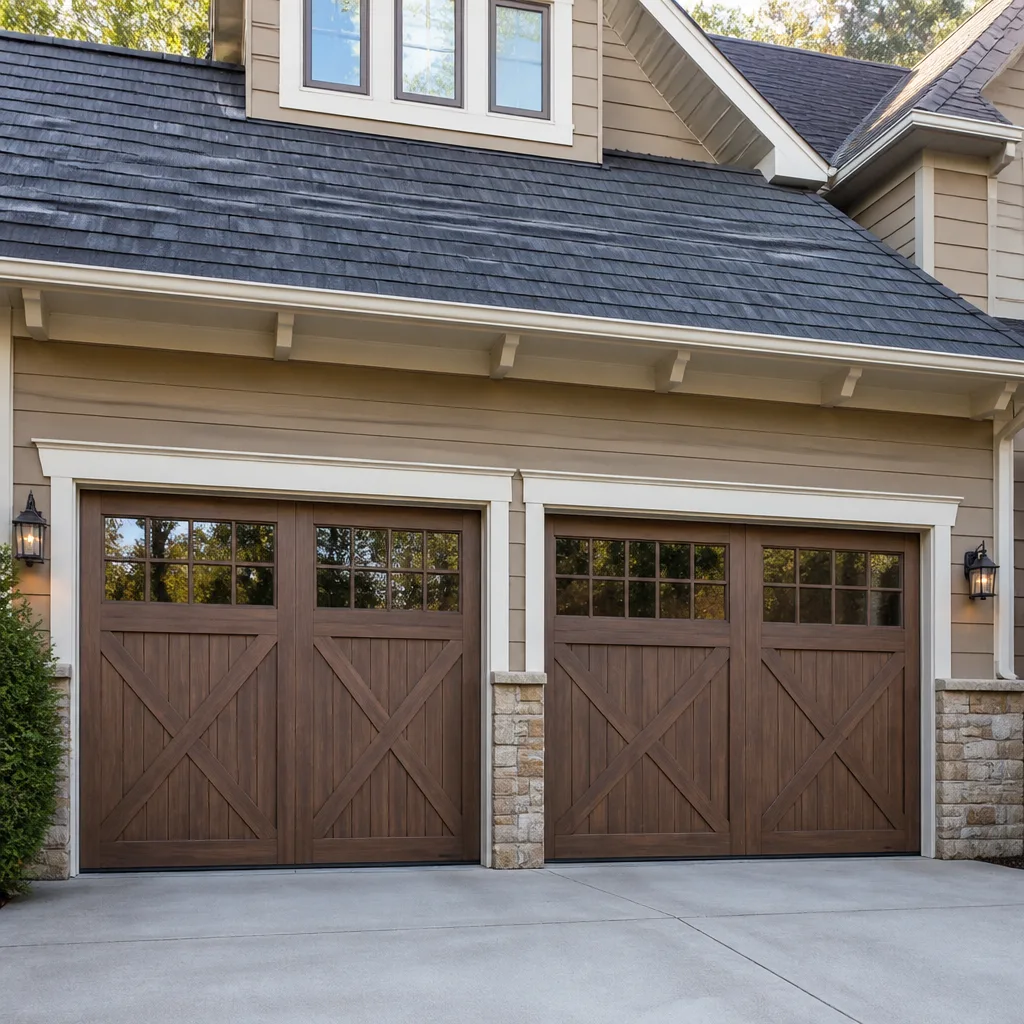 Carriage house
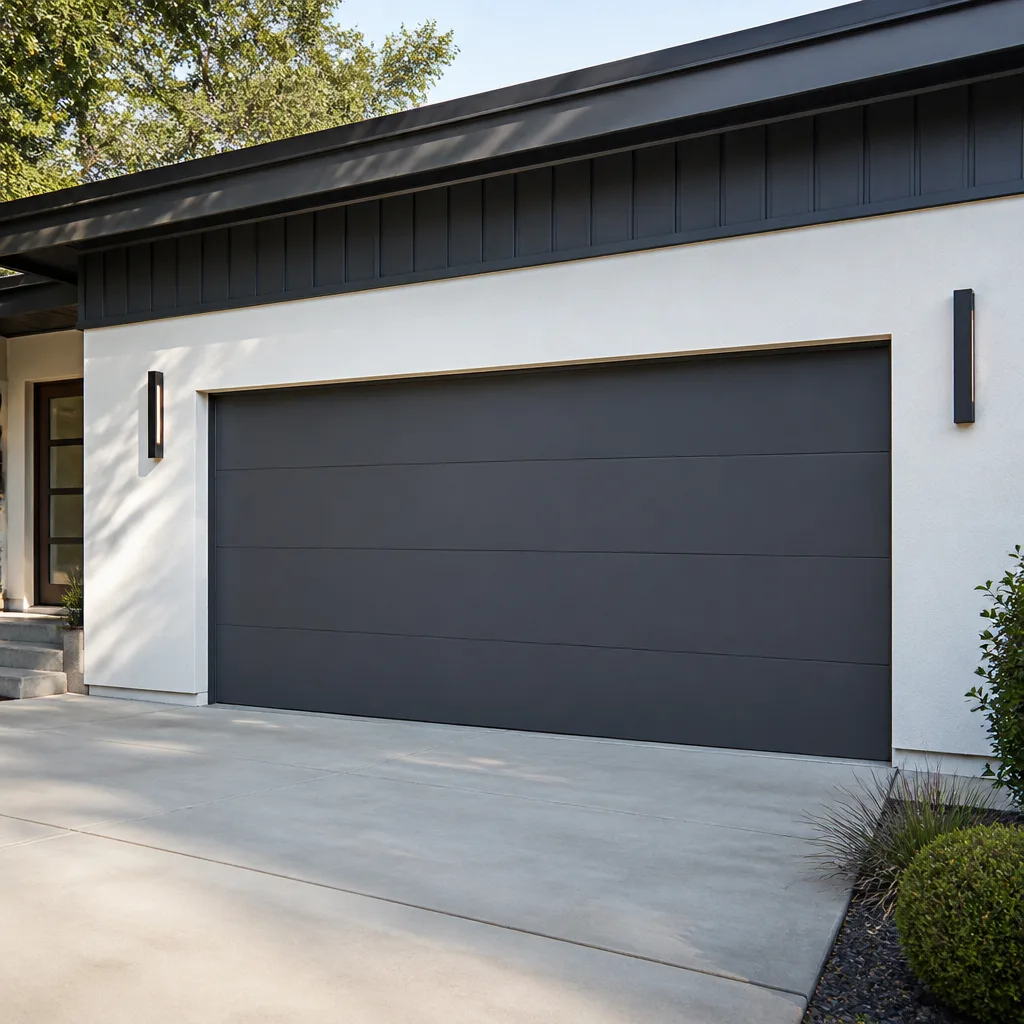 Modern flush
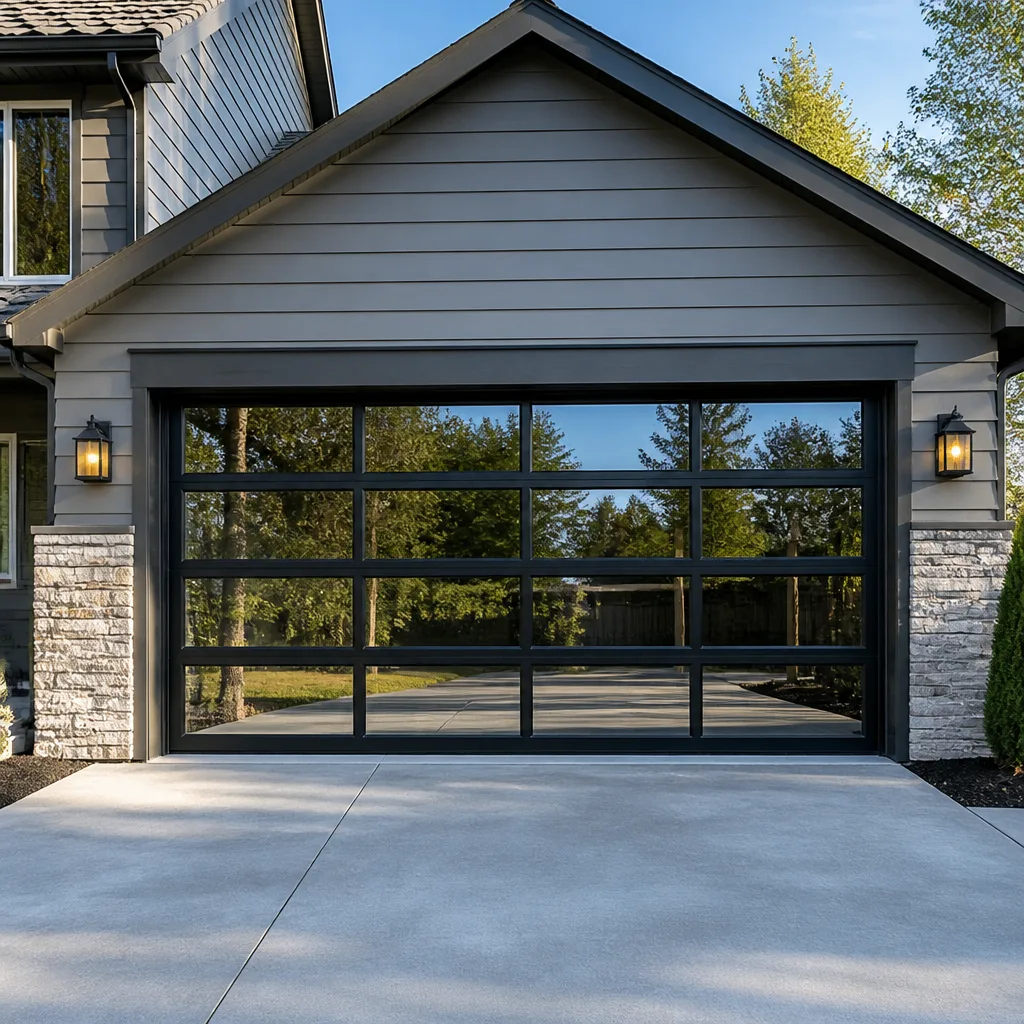 Full-view glass
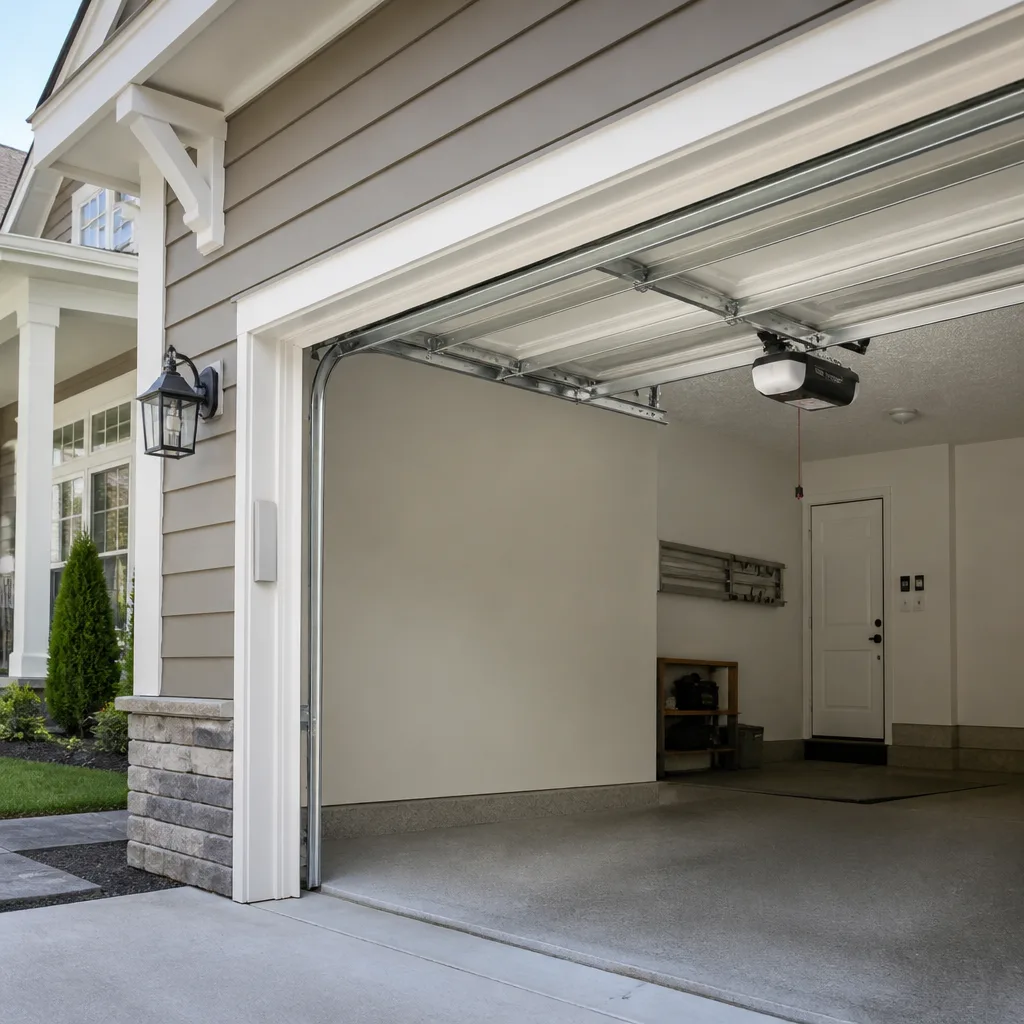 LiftMaster openers
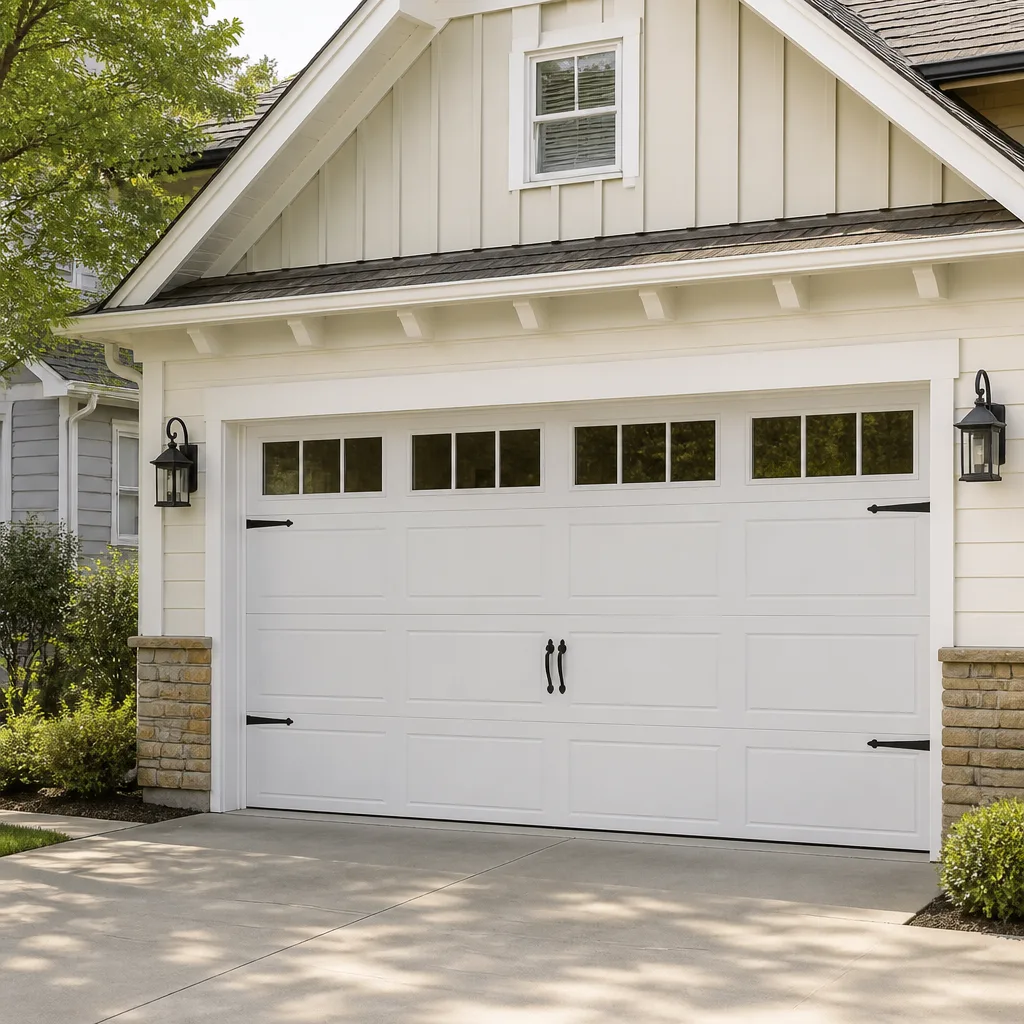 Chamberlain openers
Full 25-point door and opener safety check with every visit - springs, cables, rollers, tracks, and your LiftMaster or Chamberlain opener included
You get a price before we start. It does not change when the pro arrives.
Get your free estimateGarage Door Cost Breakdown: The Santa Rosa Homeowner’s Reference for 2026
The “starting at” price you see advertised for a garage door installation in Santa Rosa usually leaves out the three line items that land on almost every real invoice: haul-away of the old door, track and hardware, and opener programming. Add those back and the number climbs by roughly 20 to 35 percent. That gap is where most homeowners get surprised, and it’s avoidable. This reference walks through what every major garage door job actually costs in Santa Rosa in 2026, how labor rates and brand tiers shape the total, and how to read a quote line by line so you know exactly what you’re paying for before anyone touches your door.
Quick Answer
Garage door costs in Santa Rosa in 2026 run roughly $180 to $340 for a single spring replacement, $350 to $900 for a section of panel work, $1,200 to $3,500 for a standard door installation, and $350 to $750 for a new opener with installation. Labor is the biggest swing factor, and going from builder-grade to mid-tier or premium hardware can double the door cost. The written estimate sets the final price on every job, and the estimate itself is free.
Styles & brands we work with
- Raised-panel steel
- Carriage house
- Modern flush
- Full-view glass
- LiftMaster openers
- Chamberlain openers
Table of Contents
- What Drives Labor Costs in Santa Rosa
- Spring and Cable Replacement Pricing
- Panel and Section Replacement Pricing
- Full Door Installation Pricing
- Opener Replacement and Repair Pricing
- The Brand-Tier Cost Matrix
- How to Read a Garage Door Quote
- Warranty and Financing Realities
What Drives Labor Costs in Santa Rosa
Labor is not a flat line across California, and it’s the single largest variable in a Santa Rosa garage door quote. Sonoma County’s construction labor market sets the baseline, and it isn’t the same as what you’d see in the Central Valley or further north. When you call for garage door repair, the hours a job takes are shaped by the housing stock around you. The older homes in neighborhoods like the West End and Railroad Square often have non-standard door openings and jambs that need adjusting before a new door drops in cleanly. Newer construction out toward Fountaingrove and Coffey Park tends to be more standardized, which trims labor time.
Weather here matters less than most homeowners assume. Santa Rosa winters are mild, which means we don’t fight the freeze-thaw damage that wrecks doors in colder parts of the country. That keeps repair labor predictable. What does add time is heat and sun exposure on south-facing doors, which ages the finish and causes warping that has to be corrected during a replacement. When a technician has to re-square a track or shim a jamb, that’s billable time.
Three things drive most of the labor cost in Santa Rosa:
- Access and clearance – a tight garage with a low ceiling takes longer to work in than an open two-car bay.
- Door condition – a door that’s been out of alignment for months needs more correction than one that failed yesterday.
- System age and brand – older hardware is sometimes seized, and brand-specific parts take specific knowledge to source and fit.
Our technicians have up to 15 years of experience, and that shows up in labor time. Diagnosed, not guessed means fewer return trips and fewer hours billed. A specialist who knows the failure patterns of a Craftsman opener or a Wayne Dalton door finds the problem faster than a generalist working it out on the fly.
Spring and Cable Replacement Pricing
A single torsion spring replacement in Santa Rosa typically runs $180 to $340, installed. If your door uses two springs and both are worn, expect to replace them as a matched pair, which costs about twice that range. Standard extension spring pairs run somewhat less than a torsion setup, but the torque and door weight determine which system you have, so the only reliable number is the one on your written estimate.
Spring replacement is the most common garage door repair we quote, and it’s also the one where homeowners most often shop on price alone. That’s a mistake. A spring is a precision-wound component matched to the weight of your specific door. A mismatched spring will cycle for a while and then fail early, or worse, put uneven load on the cables and opener. The extra cost of the right spring is small next to replacing a door that was pulled out of balance.
Cable replacement runs in a similar range to a spring, and it’s frequently done at the same time because cables and springs wear on the same schedule. If one is failing, the other is usually close behind. Doing both in one visit saves a second call later.
Here’s the part that matters for safety: torsion springs and the cables under load are genuinely dangerous components. A wound torsion spring stores enough energy to cause serious injury, and there’s no safe way to work on one without the proper winding bars and the training to use them. We don’t recommend any homeowner attempt spring or cable work. This is a job for a trained professional, every time.
When a spring replacement is the wrong call
If the door is past the point where its hardware is failing in multiple places at once, replacing springs just buys time. We walk homeowners through the math honestly. A spring job on a door that needs panels, tracks, and an opener within two years is money spent twice. That conversation is part of what “clear communication” means to us, and it’s why the estimate happens before any work starts.
Panel and Section Replacement Pricing
Replacing a damaged section or panel in Santa Rosa typically costs $350 to $900, depending on the door style and whether the panel is a standard size or a discontinued profile. A single dented bottom section on a common door is at the low end. A matched panel for an older or premium door can push toward the high end, because the panel has to be sourced to match the existing door’s profile and color.
Panel work is more common here than full replacements, and for good reason. A door that took a hit from a bicycle, a car bumper, or a fallen branch usually needs one section, not a whole new door. The trick is matching the panel. Builder-grade doors from the 1990s and 2000s are often discontinued, and the replacement has to come from a comparable manufacturer’s line. That’s where brand knowledge earns its keep.
What affects the panel price:
- Panel type – raised-panel, carriage-house, and flush panels carry different costs.
- Insulation – an insulated section replaces with an insulated section, which costs more than a basic steel panel.
- Color and finish match – matching an existing faded finish takes a specialty finish or an intentional full-color change.
- Window inserts – decorative glass or acrylic inserts add to the section cost.
When panels are replaced correctly, the door keeps its balance and its opener keeps working as designed. When a heavier or lighter panel is swapped in without rebalancing, the opener strains and the springs wear unevenly. That’s the hidden cost of a cheap panel swap: it shows up on the next repair. If you’re weighing garage door opener repair against a panel replacement, it helps to have a technician look at both together, because the opener’s condition often tells you how the door has been behaving.
Full Door Installation Pricing
A standard single-car door installation in Santa Rosa runs roughly $1,200 to $2,800 in 2026. A two-car door with insulation and a mid-tier finish lands more in the $2,200 to $3,500 range. Premium doors, custom sizes, and carriage-house styles can run higher. These ranges are for the door and hardware; opener installation is a separate line, covered in the next section.
Installation is measured, ordered, and scheduled, not same-day. The door is built to your opening dimensions and finish, so the process takes a written measure, a written price, and a scheduled install day. Nothing about the price changes between the measure and the install unless you change the order.
What a complete install line typically includes:
- Removal of the existing door and haul-away of the old sections and hardware.
- New track, hinges, rollers, and torsion or extension spring system matched to the door weight.
- Panel installation and alignment to the opening.
- Weatherstripping and a bottom seal to close the gap at the floor.
- Opener connection and programming, if an opener is part of the job.
That haul-away and the new track hardware are exactly the two line items that get left off a “starting at” ad. Add opener programming and you’ve covered the full 20 to 35 percent gap mentioned at the top. A written estimate lists each of these. If a contractor’s quote doesn’t, ask what isn’t included.
Because our focus is garage doors only, the install is done by people who fit doors every week, not by a crew who does doors as a side job. That matters for alignment, which is what determines whether the door runs quietly for years or starts binding within months. Browse the full Signal Garage Door Repair service range if you want to see how repair, opener work, and installation connect across one door’s lifetime.
Opener Replacement and Repair Pricing
Garage door opener repair is its own specialty, and the pricing reflects it. A repair visit for a common opener problem (a sensor, a gear, a drive belt, a limit switch) typically runs $150 to $400. A full opener replacement with installation runs $350 to $750 for a standard belt or chain drive, and higher for a smart-drive or battery-backup unit. A LiftMaster or Chamberlain advantage in smart features puts it in the upper part of that range.
Opener work is where the “wrong brand” worry comes up most. Homeowners with an older Craftsman or Genie unit sometimes assume the opener is too old to fix. In our experience, failure patterns are predictable by brand. A Craftsman unit that’s tripping the wall control, a Genie with a stripped drive gear, a LiftMaster with a failing travel limit, each of these is a known problem with a known fix. Brand-matched diagnostics is the difference between a repair and a replacement pitch.
Repair or replace the opener?
Two questions settle it most times. How old is the unit, and what’s actually failing? A single failed component on a modern opener is a repair. A unit at the end of its service life with multiple failing parts is a replacement. Safety features are the tiebreaker: if the opener lacks a working safety reverse and you have children or pets, replacement is the safer call. We’ll tell you which side of that line your opener falls on before we quote anything.
The Santa Rosa heat does affect openers more than the mild winters do. A south-facing garage that bakes in the afternoon can shorten an opener’s electronic life, and it can loosen the logic panel over time. It’s worth having the opener checked when you have the door serviced, since both are on the same visit.
The Brand-Tier Cost Matrix
The single biggest lever on garage door cost is which tier of door you buy. Moving from builder-grade to mid-tier to premium changes what you get in steel gauge, insulation, finish durability, and warranty coverage, and the price moves with it. Here’s how the tiers compare.
Builder-grade tier
This is the door your house was probably built with. Basic steel, minimal insulation, a limited finish warranty. It’s the cheapest option and it’s fine for a detached garage or a light-use door. The trade-off shows up in noise, dent resistance, and how quickly the finish fades in the sun. A builder-grade door in a south-facing Santa Rosa opening tends to look tired well before its hardware fails.
Mid-tier tier
This is where most Santa Rosa replacements land. Better steel gauge, a solid insulation layer, and a finish designed to hold up to sun exposure. Manufacturers like Clopay and Amarr build strong mid-tier lines, and LiftMaster and Chamberlain pair well with mid-tier doors because the opener’s lift capacity matches the door’s weight without strain. The price jumps over builder-grade, but the door lasts noticeably longer and stays quieter.
Premium tier
Premium doors bring heavier steel, better insulation, and carriage-house or custom profiles. Wayne Dalton and Raynor both build premium lines that hold detail well, and the finish warranties are proportionally longer. The cost is the highest of the three tiers. The reason to go premium is usually curb appeal and long-term durability, not the door’s basic function, which any tier does.
Two brand-specific notes worth knowing. Raynor doors often have distinctive panel profiles that need a matching replacement when a section is damaged, so buying a Raynor means committing to that profile for future panel work. Wayne Dalton doors come in a range of build specs, and knowing which spec your door is tells a technician what weight the springs were matched to. Neither of those facts is obvious from looking at the door, and both affect repair costs later.
How to Read a Garage Door Quote
A garage door quote is where margin gets buried, and it’s worth knowing how to read one. The line items that should appear on any honest quote for a repair or install are the parts, the labor, the haul-away, and the opener programming if applicable. When any of those are missing, the price you’re shown isn’t the price you’ll pay.
Here’s a step-by-step way to read a quote:
- Check the door itemization. Every part should be named: spring type and size, hinge count, roller type, track length, panel style. A single lump “door package” line hides what you’re getting.
- Look for haul-away. Removal and disposal of the old door is a real cost. If it’s not on the quote, it’s coming later.
- Look for opener programming. If you’re getting a new opener or door, programming and remote setup should be a listed line.
- Check whether the written estimate is the final price. A good quote states the price up front and confirms that it holds unless you change the order.
- Ask what the warranty covers and who honors it. Parts warranty and labor warranty are separate.
- Confirm the technician is licensed and insured. Garage door work is dangerous enough that this isn’t a formality.
The other thing to read for is the absence of a written price. If someone gives a verbal number and says they’ll “settle up at the end,” that’s the quote you don’t sign. The written estimate sets the price here, and we tell homeowners that before work starts, not after.
Warranty and Financing Realities
“Lifetime warranty” on a spring sounds better than it usually is. The fine print determines what’s actually covered. A spring warranty generally covers the spring part itself against breakage, but not the labor to replace it, and spring warranties sometimes require proof of professional installation to be valid. A door manufacturer’s finish warranty usually covers the paint or steel against defect, not against dents, sun fade, or damage from a collision.
What to confirm on any warranty:
- Parts vs. labor. A part covered under warranty still costs you the labor to swap it.
- Who honors it. A manufacturer’s warranty is honored by the manufacturer; a workmanship warranty is honored by the installer.
- What voids it. Self-installed parts, unapproved modifications, and weather damage often void coverage.
- Length by component. Springs and openers often carry shorter warranties than the door panels and finish.
Financing is a separate conversation, and it varies by job and provider. The honest position is that pricing is per job by written estimate, and any financing option comes up during the estimate conversation, not as a headline on an ad. We’d rather you make the decision with the full number in hand than with a monthly figure that hides the total. If you’re comparing the door installation cost against a phased repair plan, ask what each phase would run so you can see both paths clearly.
Common Mistakes to Avoid
- Booking on the “starting at” price alone. That number usually excludes haul-away, new track hardware, and opener programming. Ask for the written estimate that includes all three before you compare quotes.
- Replacing springs one at a time. Springs worn at the same rate fail on the same schedule. Replacing one and waiting for the second costs more in the long run than doing the pair, and the door runs unevenly in between.
- Ignoring a panel mismatch. A non-matching panel on a discontinued door looks off and can throw the door out of balance. Match the profile and color, or plan for a full replacement instead of a patch.
- Assuming an older opener is unfixable. A Craftsman or Genie unit that isn’t opening may just need a component, not a replacement. Get a brand-matched diagnosis before you buy a new opener.
- Skipping the opener check on a door service. The door and opener wear together. A door that’s been running hard has been loading the opener, and checking both on one visit catches the second problem before it fails.
- Treating a “lifetime warranty” as a promise. Read the parts-vs-labor split and who honors it. Most spring warranties cover the part, not the repair.
- Hiring a generalist for door work. A handyman who does doors as a side job will guess at the failure. A garage door specialist diagnoses it. The labor savings of cheap work usually get spent on the correction.
See the difference
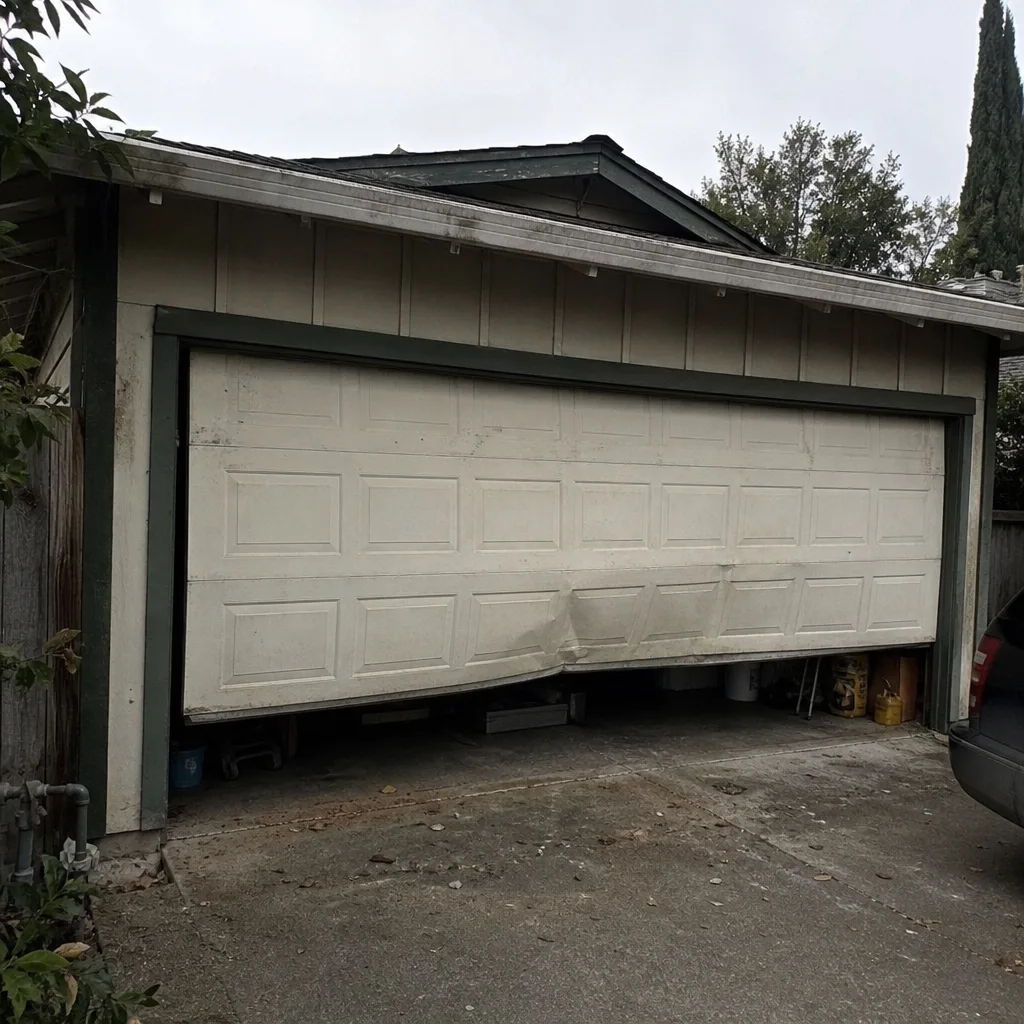 Before
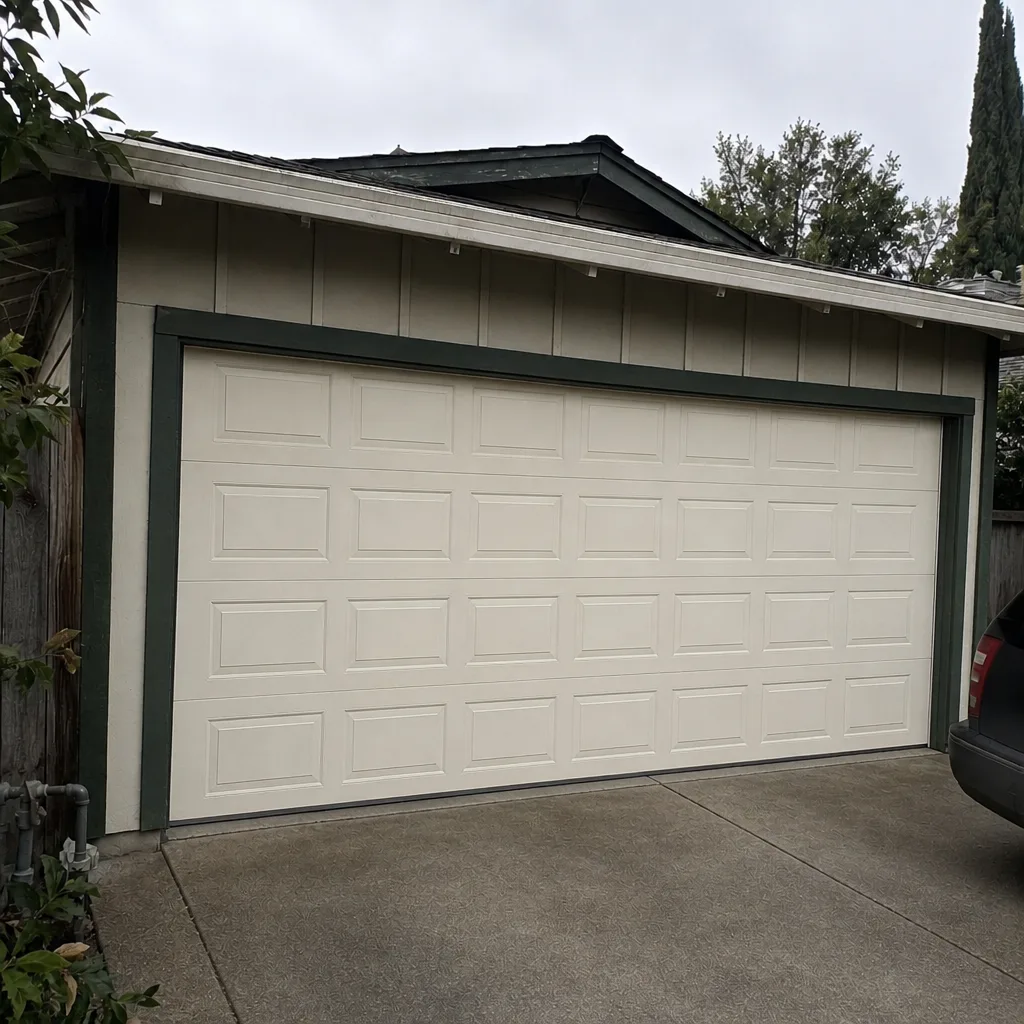 After
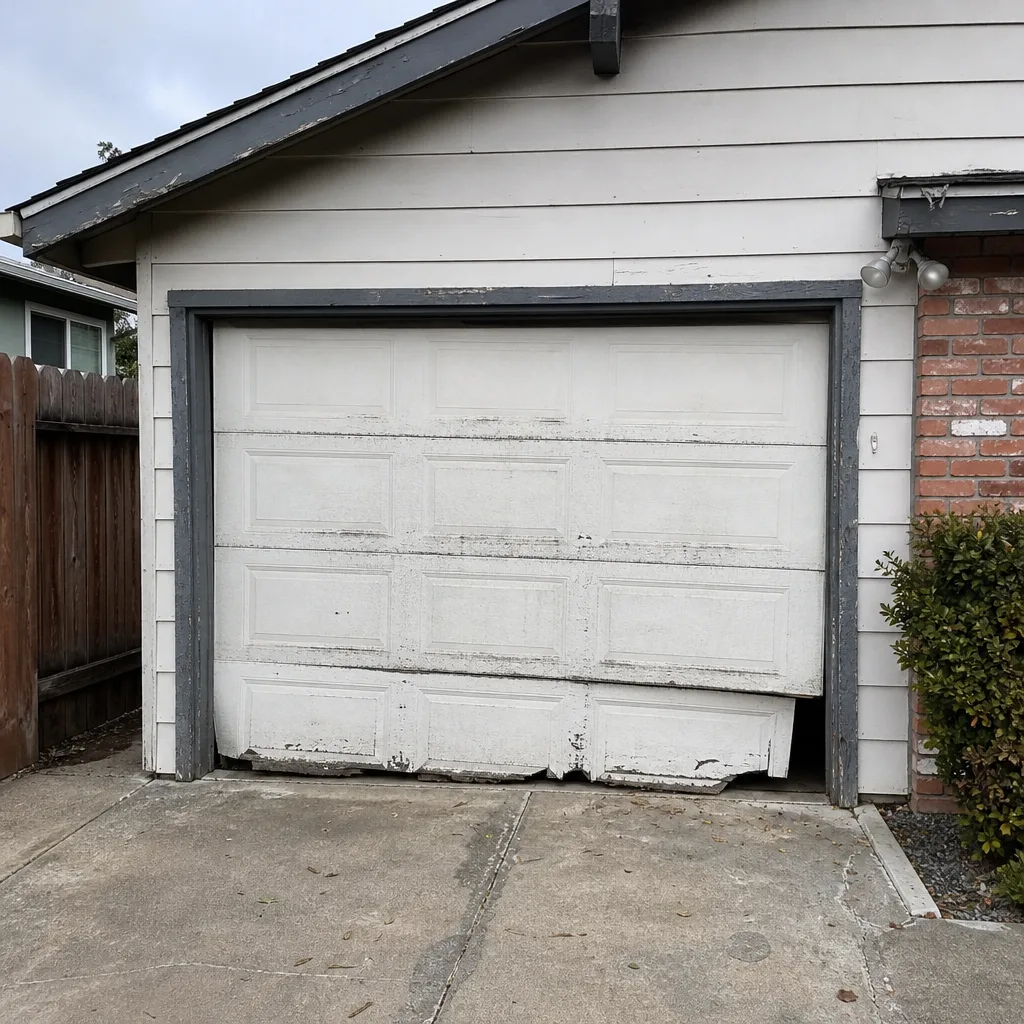 Before
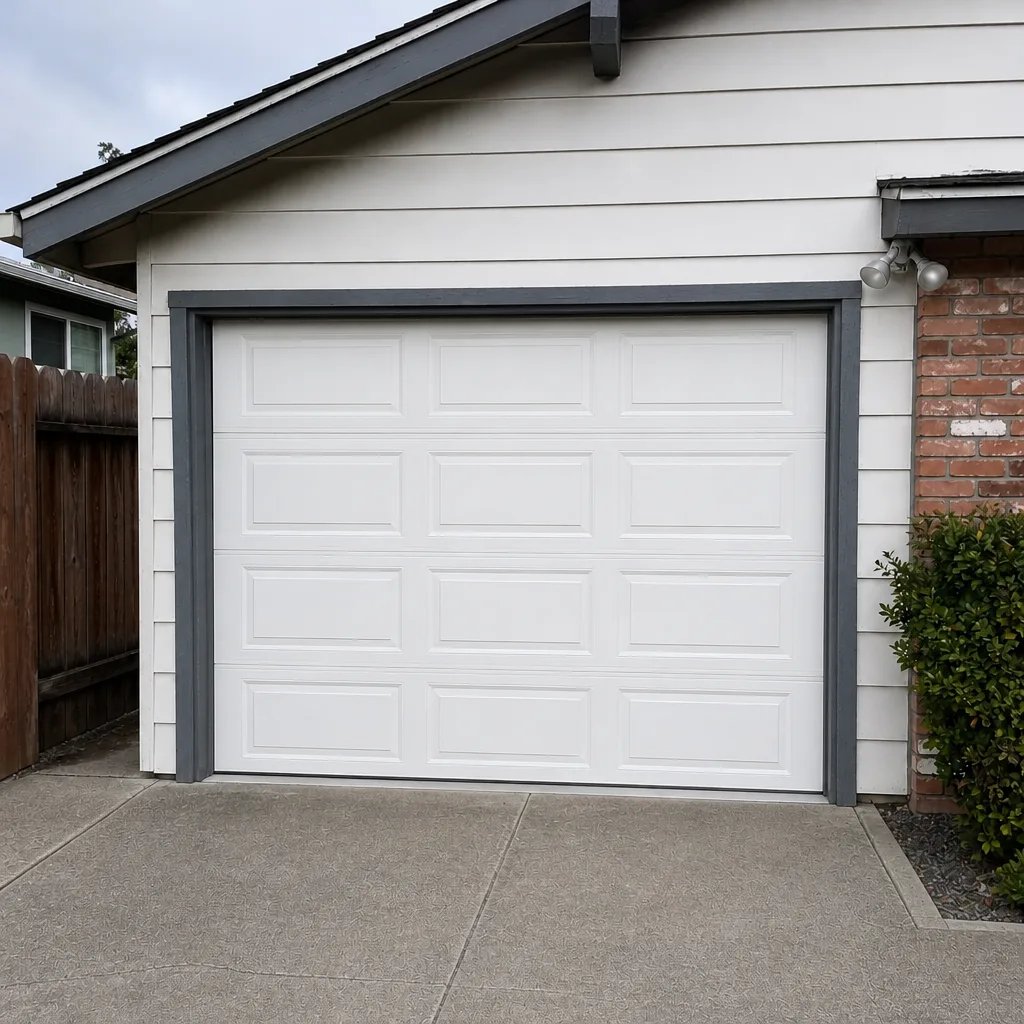 After
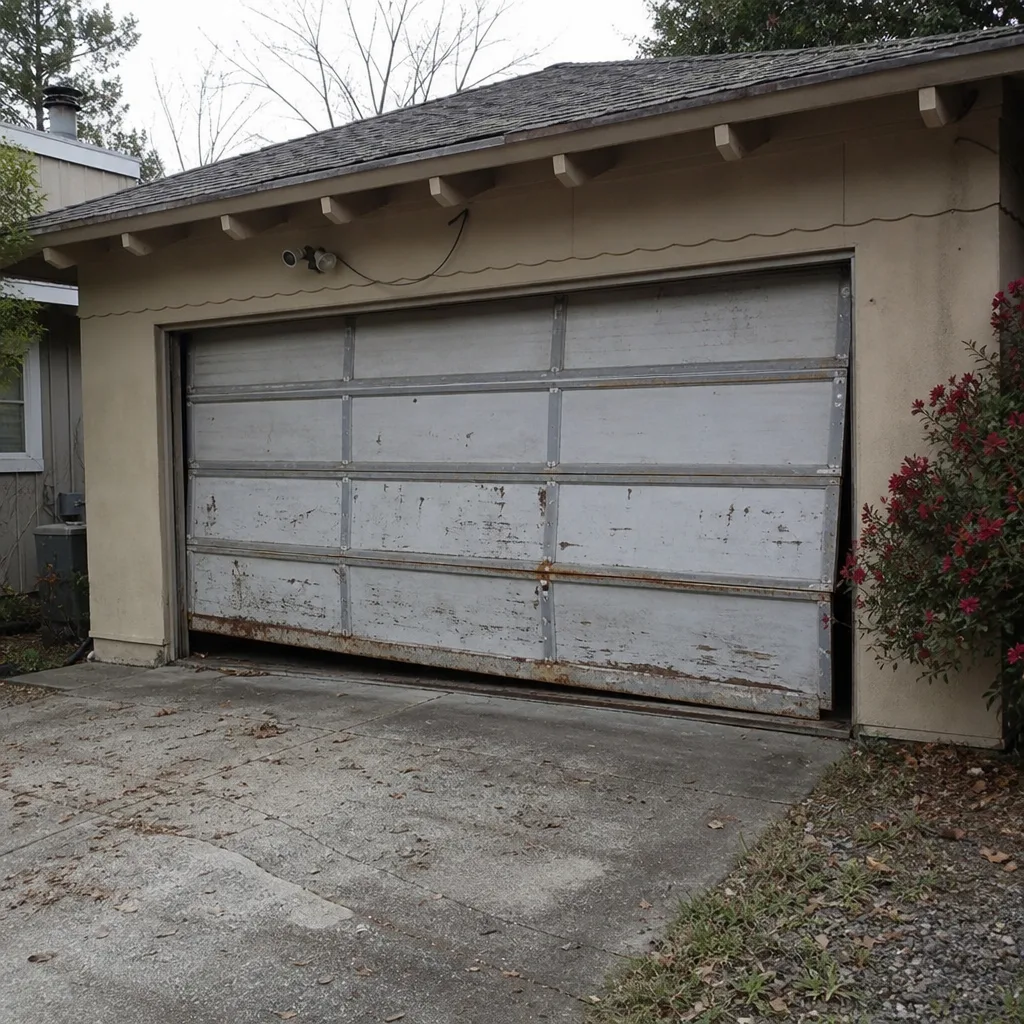 Before
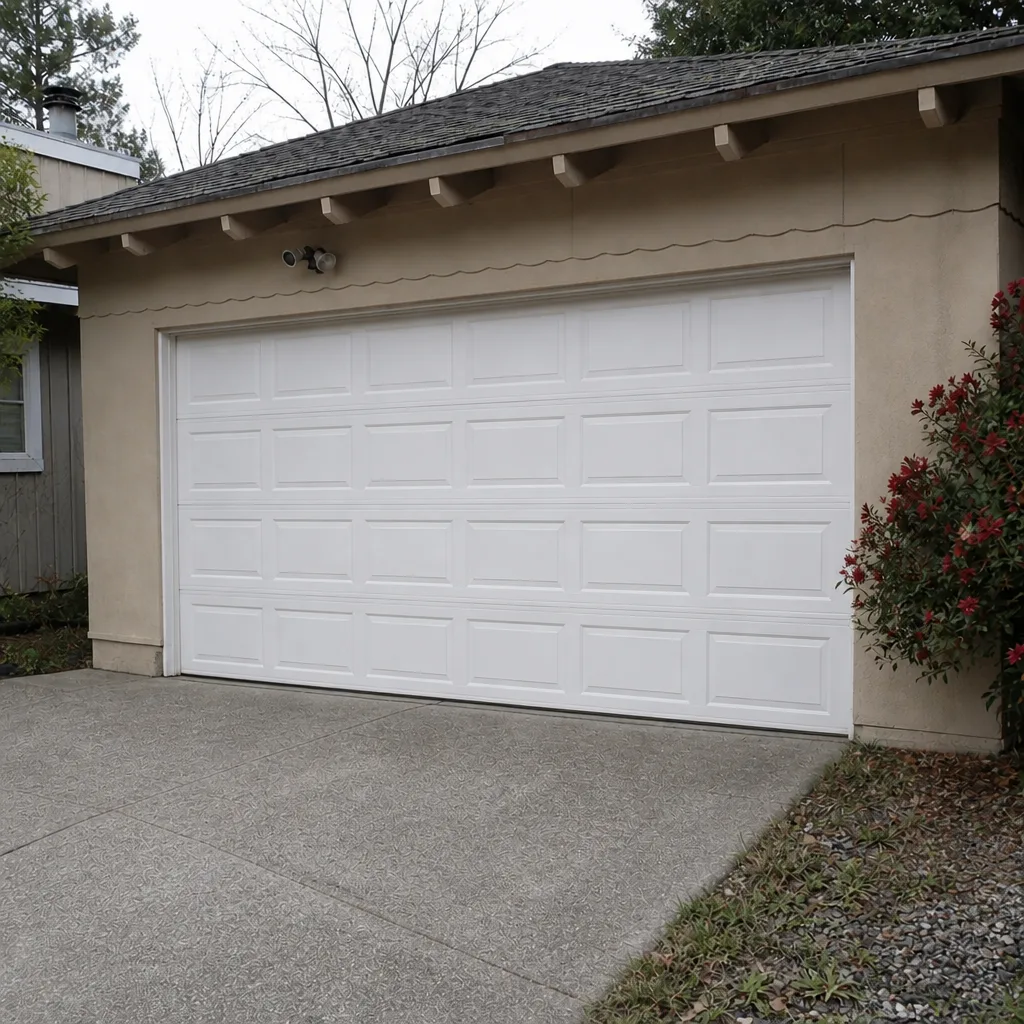 After
When to Call a Professional
Call a professional when a torsion spring breaks, when the door is out of balance or won’t stay level, when a cable is frayed or off the drum, when the door comes down hard or won’t reverse on the safety test, or when the opener runs but the door doesn’t move. These are the failures that carry real risk. A broken torsion spring, a slack cable, or a door that won’t reverse are the situations where a trained technician should be the only one touching the system. If you’re in Santa Rosa and you’re not sure whether your symptom is the emergency kind or the wait-and-see kind, the safe call is to have it looked at.
Signal Garage Door Repair offers free estimates in Santa Rosa. Call (844) 834-1851. We answer 24/7. Fast dispatch from 7am to 7pm, Sunday through Friday. When you call, you get a diagnosis, a written price, and a clear path to Santa Rosa getting that door back on signal, before any work starts.
Frequently Asked Questions
A single torsion spring replacement in Santa Rosa typically costs $180 to $340, installed. If your door has two springs and both are worn, plan for a matched pair at about twice that range. The written estimate sets the final price, and the estimate itself is free. Call (844) 834-1851 for an exact quote.
Not always, but sometimes. If a door needs springs, panels, track hardware, and an opener within a short window, the total can approach the cost of a new door, and a replacement resets the whole system. We’ll run that math with you honestly, and it’s the kind of decision you want to make with the full number in front of you. Call (844) 834-1851 for a free estimate.
No, not on a job quoted from a written estimate. The estimate is confirmed and agreed before any work starts, and it changes only if you change the order or a hidden condition surfaces that we quote separately with your approval. It’s the same number from quote to invoice. Call (844) 834-1851 to get started.
Yes, the professionals who perform the work are licensed and insured. Garage door work involves spring systems and cables under real load, so this isn’t a box to skip on any quote you compare. Our technicians have up to 15 years of experience. Call (844) 834-1851 with any credential questions before you book.
Often, yes. We answer 24/7, and fast dispatch runs from 7am to 7pm, Sunday through Friday, for repair calls like broken springs and off-track doors. Installation is measured and scheduled, not same-day. Call (844) 834-1851 and we’ll get you into the next open slot.
We work on LiftMaster, Chamberlain, Genie, Clopay, Amarr, Wayne Dalton, Craftsman, and Raynor, which covers most residential doors and openers in Santa Rosa. Brand-matched knowledge is the point: technicians who know your system’s failure patterns don’t have to guess. Call (844) 834-1851 and tell us what you have.
The Bottom Line
Garage door pricing in Santa Rosa in 2026 comes down to knowing what’s in the quote. The “starting at” number is a hook, not a bill. A spring repair runs $180 to $340 for one spring, a matched pair about double that, panel work $350 to $900, a standard installation $1,200 to $3,500, and an opener job $350 to $750. Brand tier changes the door cost most, labor changes with the housing and access, and the written estimate is what sets the final price. Read the quote line by line, confirm haul-away and opener programming are in it, and don’t skip the opener check on a door service. That’s how you keep the cost picture clear from the first call to the last.
Whatever the size of the job, moving to a new installation or working out what Santa Rosa costs look like for your specific door is easier with a specialist. We focus on garage doors only, and we work on your brand. Call (844) 834-1851 for a free estimate. We answer 24/7, with fast dispatch from 7am to 7pm, Sunday through Friday.
Written by the team at Signal Garage Door Repair.