
Last updated November 16, 2026
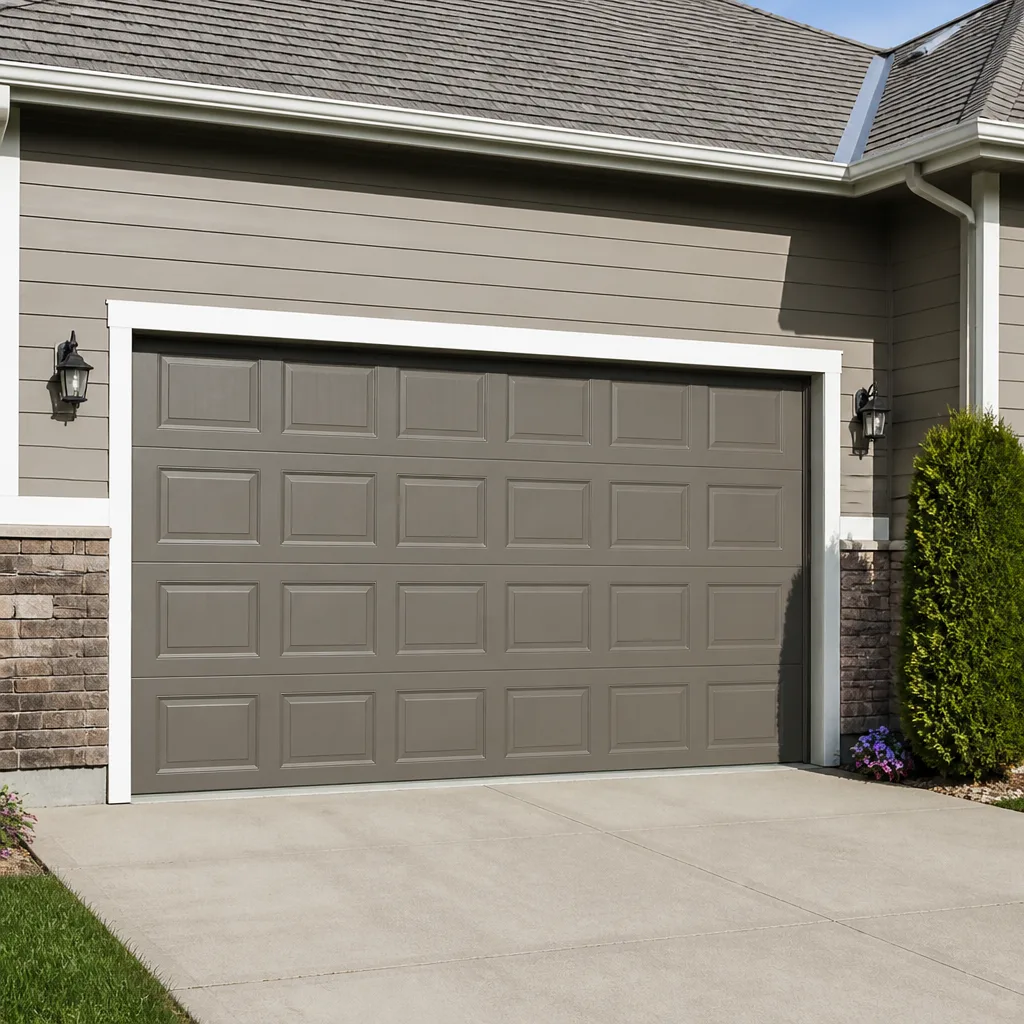 Raised-panel steel
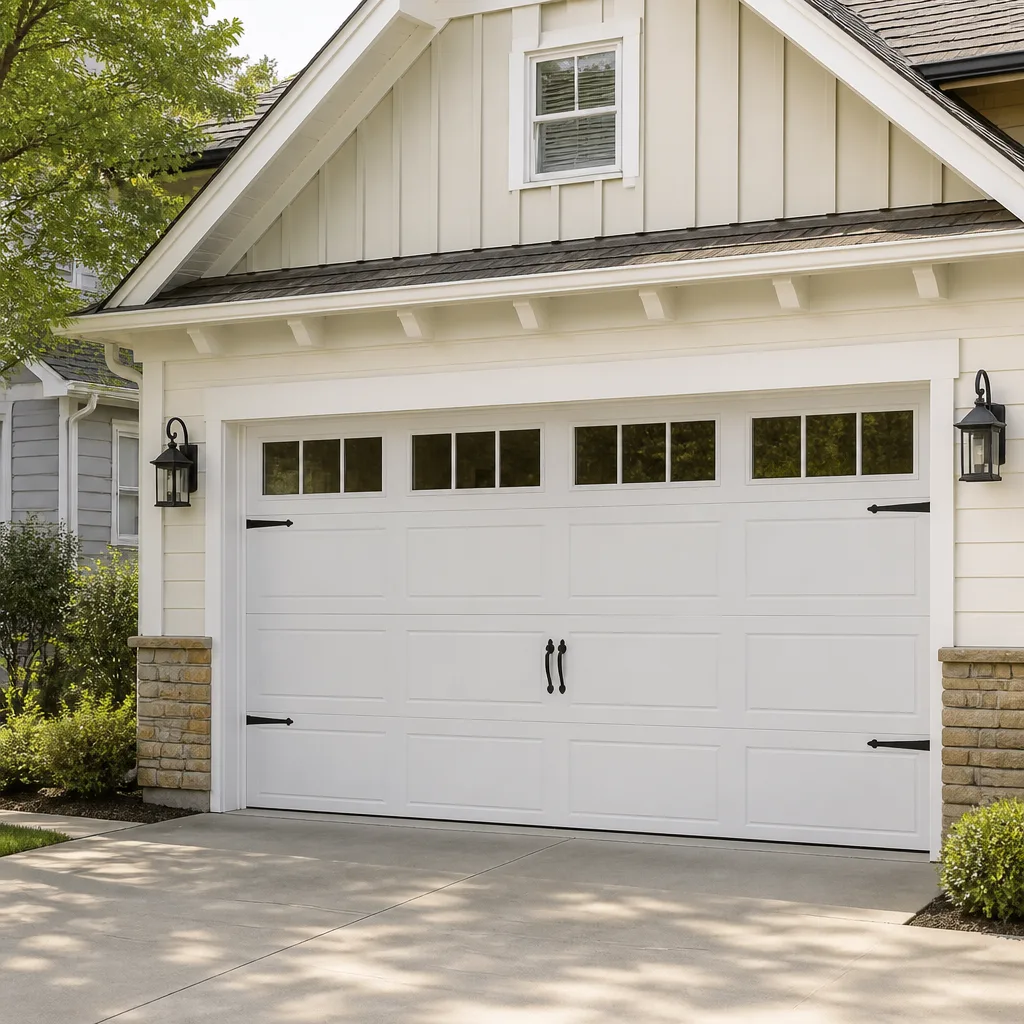
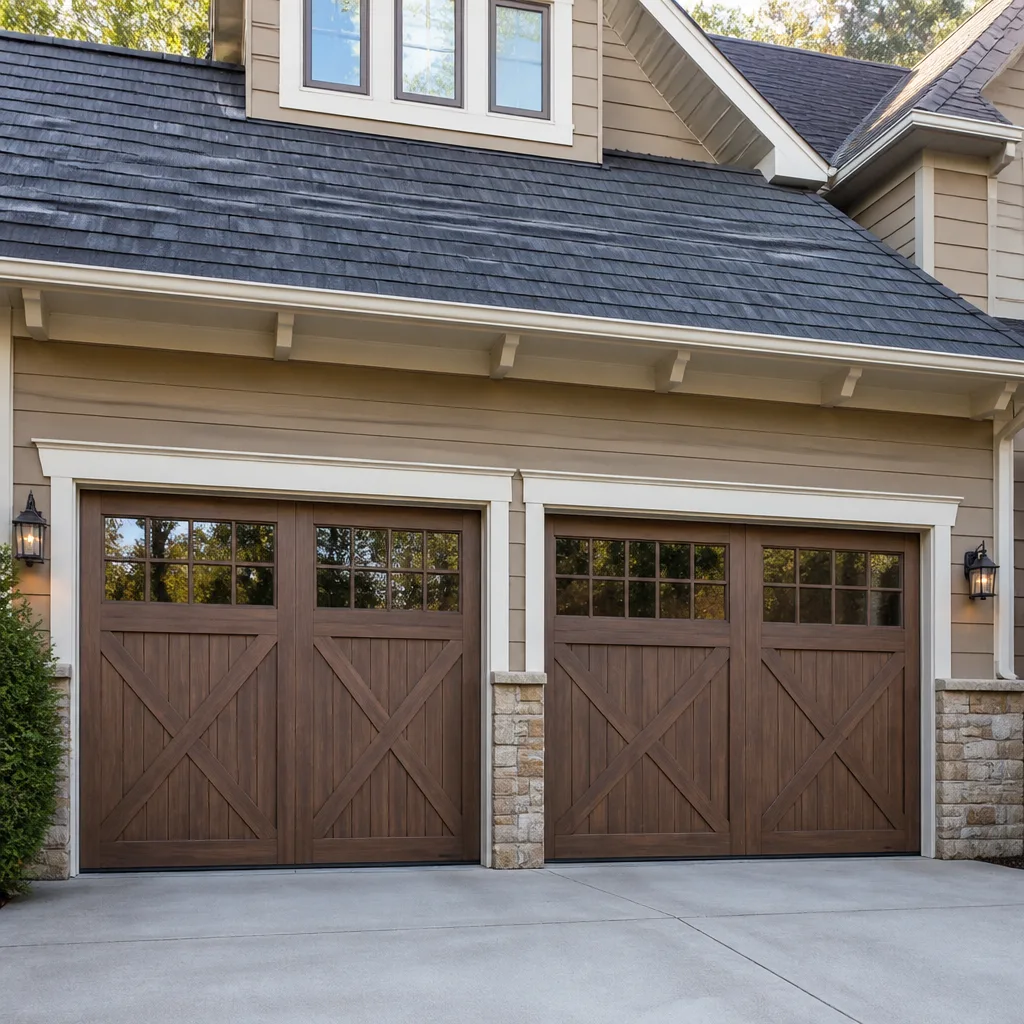 Carriage house
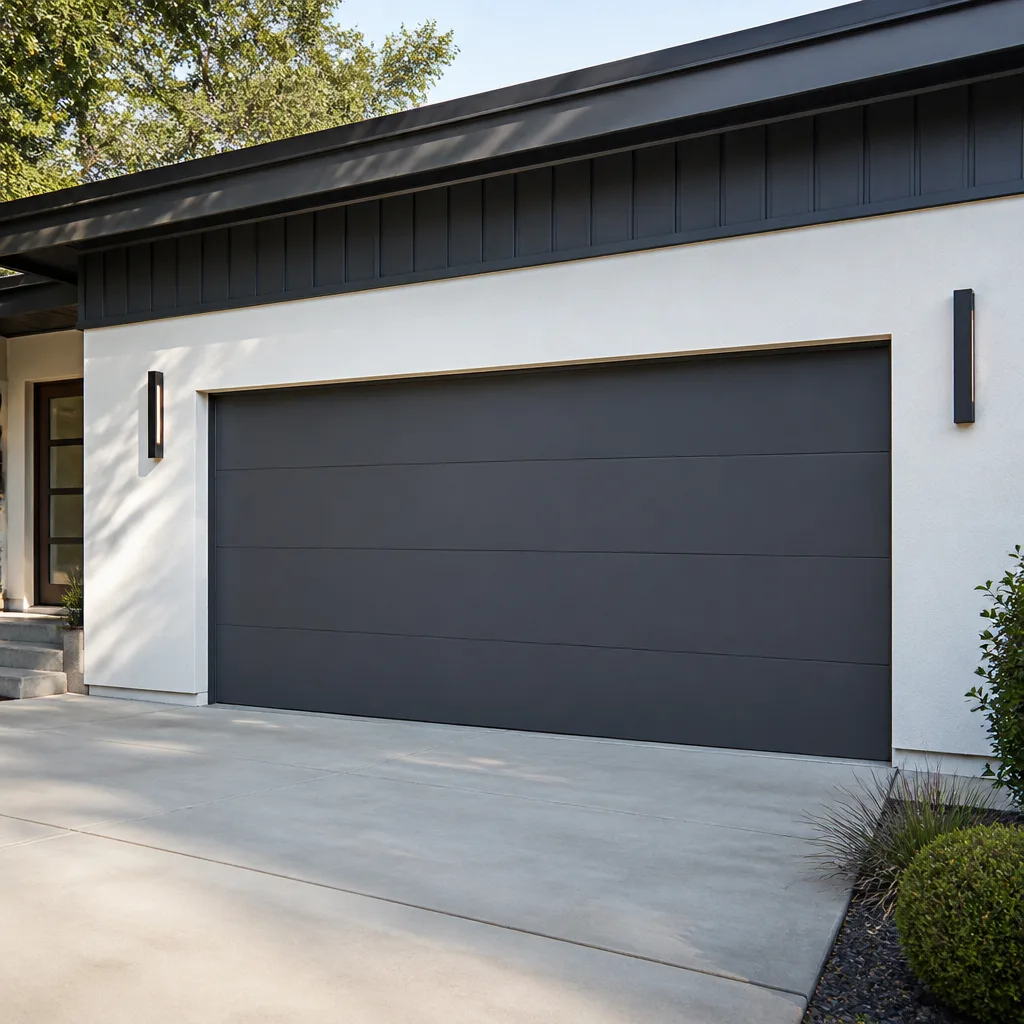 Modern flush
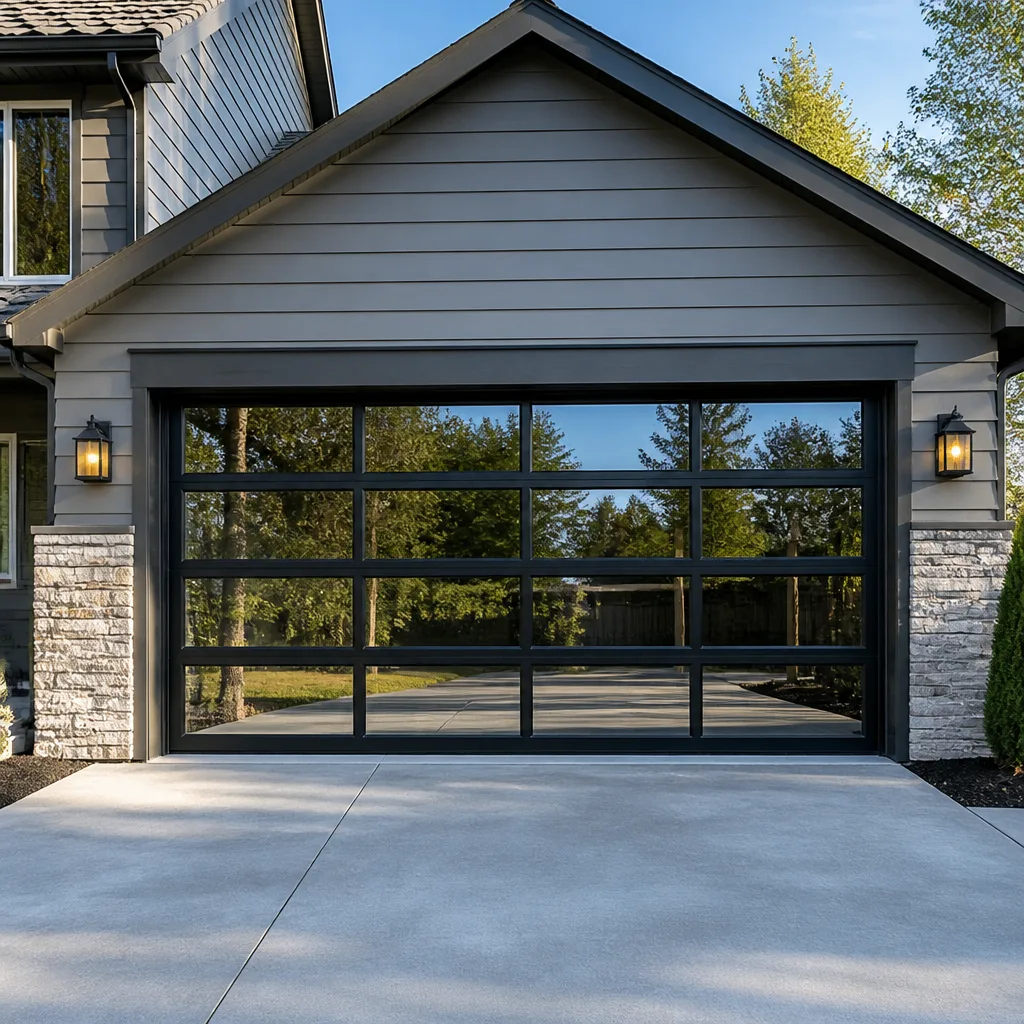 Full-view glass
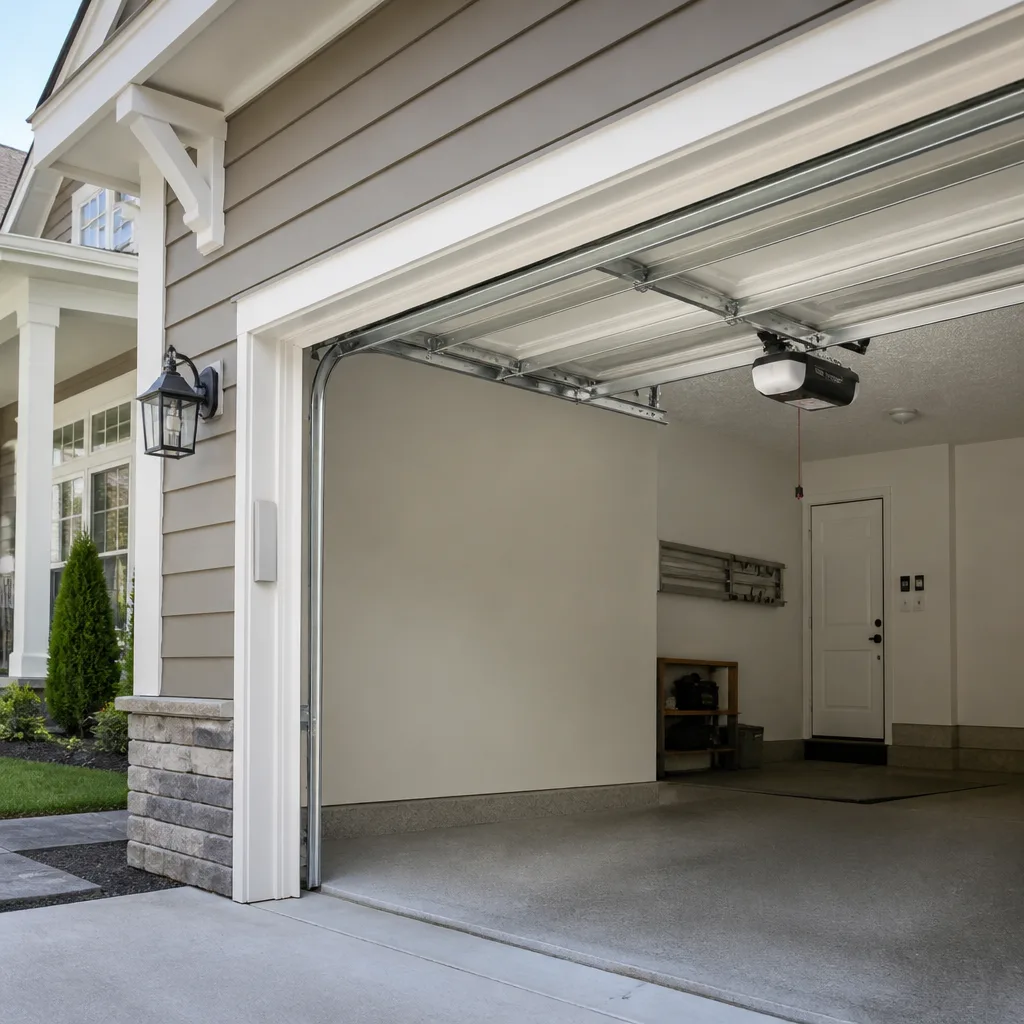 LiftMaster openers
 Chamberlain openers
Full 25-point door and opener safety check with every visit - springs, cables, rollers, tracks, and your LiftMaster or Chamberlain opener included
You get a price before we start. It does not change when the pro arrives.
Get your free estimateGarage Door Permits, Codes & Inspections in Santa Rosa, CA: What You Need to Know
Here’s the part most installers skip: swapping a garage door for one with the same size and the same style can still require a building permit in Santa Rosa. Many homeowners assume “just a replacement” falls outside the code. It often doesn’t, and the gap between that assumption and the actual rules is where problems start. This guide walks through when a Santa Rosa garage door project needs a permit and when it doesn’t, what the inspection actually covers, how wildfire rebuild standards shape door and glazing choices, what an unpermitted install can mean for an insurance claim, and how HOA rules can override city code. If you’re planning a door in Santa Rosa, read this before you sign anything.
Quick Answer
In Santa Rosa, a garage door replacement generally requires a building permit when you’re changing the door’s size, the opening, the structural framing, or the door’s rated performance (such as a fire-rated or wildfire-resistant assembly), while a like-for-like swap of the same size and type in the same opening sometimes does not. Because the exact trigger depends on your project and the current version of the city’s building code, the only reliable answer comes from the Santa Rosa building department before work begins. What follows explains the thresholds, the inspection, and the risks so you can ask the right questions.
Styles & brands we work with
- Raised-panel steel
- Carriage house
- Modern flush
- Full-view glass
- LiftMaster openers
- Chamberlain openers
Table of Contents
- When Does a Garage Door Project Need a Permit in Santa Rosa?
- When You Likely Don’t Need a Permit
- Wildfire Rebuild Rules, Title 24, and Door Choices
- What a City Inspector Actually Checks
- What Unpermitted Work Means for Your Insurance
- The HOA Overlay: When CC&Rs Are Stricter Than Code
- The Permit and Inspection Process, Step by Step
- Common Mistakes to Avoid
- When to Call a Professional
- Frequently Asked Questions
When Does a Garage Door Project Need a Permit in Santa Rosa?
A garage door project in Santa Rosa usually needs a building permit when the work goes beyond a straight replacement of the same door in the same opening. The city treats structural changes, size changes, and changes to a door’s rated performance as work that has to be reviewed. Here’s how that breaks down in practice:
- You’re changing the size of the opening. Widening, heightening, or reconfiguring the rough opening changes the header, the framing, and the load path. That’s structural work and triggers a permit.
- You’re altering the structural framing. Adding a new header, modifying a post, or moving the track anchoring into new framing counts as structural and needs review.
- You’re changing the door’s rated assembly. If the existing door is part of a fire-rated separation (common where the garage shares a wall with the house) or a wildfire-resistant assembly required in your zone, replacing it with a door that isn’t rated the same way changes the building’s compliance and needs a permit.
- You’re converting the garage. Turning a garage into living space, or adding a door where none existed, is a larger project that always needs permits and often design review.
- You’re installing a new door on a new opening. New construction or an addition always requires a permit for the door as part of the larger scope.
The honest answer for any specific Santa Rosa address is the one the city gives you. Requirements shift with code cycles and with the specifics of your property, and the Santa Rosa building department is the authority. Ask them directly, in writing if you can, before you order a door or schedule an install.
When You Likely Don’t Need a Permit
A like-for-like replacement can sometimes skip the permit, but “sometimes” is doing real work in that sentence. The standard case is a swap where the new door is the same size, same type, same material family, and same rated performance as the old one, installed in the existing opening with no changes to framing, tracks, or the header. In that narrow case, many jurisdictions treat the work as a repair or maintenance item rather than an alteration.
Two things still trip people up. First, a door that’s “the same size” on paper isn’t always the same assembly – a heavier insulated door, a different spring system, or a window package can change the load and the rated performance enough that the city wants to see it. Second, even when a permit isn’t required, the work still has to meet code. The absence of a permit doesn’t mean the absence of standards.
In our experience across Santa Rosa, the savvy move is to treat the permit question as a decision the city makes, not the installer. A specialist who knows the local process will walk you through it and tell you plainly whether your project needs a permit, rather than quietly skipping it to keep the schedule moving. We work on your brand and we tell you what’s required before work starts – that’s the whole point of a specialist, not a generalist.
Wildfire Rebuild Rules, Title 24, and Door Choices
Santa Rosa’s building landscape changed after the 2017 fires, and the changes reach garage doors directly. Properties in and around the burn areas, and homes in designated wildfire zones, can face additional requirements on materials and on the assemblies that separate the garage from living space. Title 24, California’s energy code, also touches the door indirectly through the building envelope: an attached garage is part of the thermal boundary in many homes, and the door you choose affects how that boundary performs.
What that means for a Santa Rosa homeowner shopping for a door:
- Rated assemblies matter. Fire separation between an attached garage and the house is a code matter. If your home has a rated wall or door assembly, replacing it with a non-rated product can create a compliance gap. Check what’s there before you order.
- Glazing is a choice, not just a look. Windows in a garage door are a glazing decision. In wildfire zones, the type of glazing and the frame material can matter. Ask the city and ask the door manufacturer what’s rated for your situation.
- Material choices have code implications. Some materials perform differently in fire exposures. Clopay and Amarr both publish rated assemblies; Wayne Dalton and others do too. The specification sheet is where the compliance answer lives.
- Insulation affects envelope performance. The R-value of the door you install is part of the energy picture. If you’re rebuilding or upgrading, the door’s insulation can factor into the envelope compliance.
We service doors from Clopay, Amarr, Wayne Dalton, and the other brands we work with, and the rated-assembly question is one we raise before the door is ordered. It’s a lot easier to answer that question at the spec stage than after the inspector is standing in your driveway.
What a City Inspector Actually Checks
The inspection is not a formality. A Santa Rosa building inspector is there to confirm the installation matches what was permitted and what the code requires. Here’s what typically gets checked on a garage door project:
- Permit and plans on site. The approved permit and any stamped plans need to be available. Work that doesn’t match the approved scope gets flagged.
- Structural framing and the header. The inspector looks at the rough opening, the header, and how the door system is anchored. If the framing changed from what was approved, expect questions.
- The door itself against the spec. The installed door is checked against the product specified on the permit – size, model, rated assembly, glazing. A substitution without an approved revision is a problem.
- Fire separation and rated assemblies. Where a rating is required, the inspector confirms the assembly installed matches it.
- Opener and safety devices. The door has to operate with its safety features in place. The inspector runs the door and checks the reversal and the photo-eye setup.
- Clearances and labeling. Required clearances around the opening, and any labeling the manufacturer requires on the assembly, get a look.
What the inspector does not do is fix anything. If a door is undersized for the spec, or an opener isn’t operating the door correctly, the inspection fails and you’re rescheduled after corrections. That’s why the details matter before the install, not after. If you’re partway through a project and something’s off, our garage door repair team can correct the installation or the opener setup and get it inspection-ready.
What Unpermitted Work Means for Your Insurance
Unpermitted garage door work can follow a homeowner for years, and the risk shows up in two places: a future sale and a future claim. During a sale, a buyer’s inspector or the title process can surface work that was done without a permit, and the seller is the one who has to sort it out. That sorting-out usually means retroactive permits, inspections, and corrections, all on a timeline that isn’t of the homeowner’s choosing.
On the insurance side, the question is whether the work was done to code. If an unpermitted install is later found to be noncompliant, an insurer can push back on a claim tied to that work. We’re careful not to promise anything about a specific policy – that’s between you and your insurer – but we can tell you this: a permitted, inspected install is the version of the project that doesn’t leave a question hanging. If you’re making a claim for damage that involves the door or opener, we can work with your insurer and document what we find.
One more point on the rebuild side. Homes rebuilt after the 2017 fires in Santa Rosa went through the permit process for a reason. The paper trail is what protects the homeowner if anything is ever questioned later. A door installed without a permit is a hole in that trail.
The HOA Overlay: When CC&Rs Are Stricter Than Code
City code is the floor, not the ceiling. If your Santa Rosa home is in a subdivision with a homeowners association, the CC&Rs can restrict door styles, colors, window configurations, and even material choices – and those restrictions apply on top of whatever the city allows. A door that passes the city inspection can still fail an HOA review, and the HOA process runs on its own timeline.
Here’s what to check before you commit to a door in a Santa Rosa subdivision with an HOA:
- Get the architectural review requirements in writing. Most HOAs publish a design-review process. Get the current version, not what a neighbor told you.
- Check color and style palettes. Many associations set an approved palette. A manufacturer’s stock color may not be on it.
- Confirm window and panel restrictions. Some associations restrict or prohibit windows in a garage door. That can rule out an otherwise compliant product.
- Submit the application before you order. Approval timelines vary, and ordering before approval is the most common way people end up paying for a door they can’t install.
We help homeowners compare within a brand’s lineup so the door they choose fits both the city’s requirements and the association’s rules. That’s not a checklist we hand you – it’s a conversation about your specific door, your specific association, and what you need to submit.
The Permit and Inspection Process, Step by Step
If your Santa Rosa garage door project needs a permit, the sequence is straightforward but the details matter. Here’s the usual order of operations:
- Confirm the requirement with the city. Call the Santa Rosa building department and describe your project. Ask whether a permit is required and what documents they want. Get the answer before you order anything.
- Specify the door. Choose the product with its rated assembly, size, glazing, and insulation, and make sure the spec matches what the city will review.
- Submit the permit application. Include the door specification, the scope of work, and any structural details the city requires for your project.
- Get approval before work starts. The permit needs to be issued and posted before installation. Work done ahead of the permit is the scenario you’re trying to avoid.
- Install to the approved spec. The installed door and any framing have to match the approved plans. Any substitution gets a revision approved first.
- Schedule the inspection. The inspector checks the items covered above and either signs off or issues a correction list.
- Close the permit. Once it passes, the permit is finaled. Keep the documentation with your home records.
Our technicians have up to 15 years of experience with this process and with the brands we service, and we can handle the opener and door install to the approved spec so the inspection goes cleanly. If a jammed or failing opener is complicating the project, our garage door opener repair team handles the LiftMaster, Chamberlain, Genie, and Craftsman systems we see most often in Santa Rosa.
Common Mistakes to Avoid
- Assuming “same size” means no permit. Size is only one input. A change to the door’s rated assembly or the framing triggers the permit even when the dimensions are identical.
- Ordering the door before the city weighs in. Once a door is ordered, you’ve locked in the spec. A permit question that arises later is much harder to resolve with a door already in the garage.
- Overlooking the HOA until after approval. A conforming city permit doesn’t override an association’s design review. Submitting both at the same time saves a lot of pain.
- Treating the inspection as a formality. Inspectors check the installed door against the spec. A substitution made to save time is a likely fail.
- Skipping the fire-rated or wildfire-resistant details. In some Santa Rosa zones, the rated assembly is the whole point of the permit. Replacing it with a non-rated door creates a compliance gap you’ll have to fix.
- Forgetting the opener in the scope. The inspector runs the door with its safety devices. An opener that doesn’t reverse properly or has faulty photo-eyes can fail an otherwise clean install.
- Not keeping the paper trail. Permit approvals, inspection sign-offs, and product specs are the documents that protect you at a sale or in a claim. Keep them with your home records.
If you’re cleaning up a project where one of these went wrong, we’ve seen all of them in Santa Rosa. We can diagnose the door and opener, correct what’s fixable, and tell you plainly what the city will want to see before the inspection.
When to Call a Professional
Some parts of a garage door project are within reach for a careful homeowner. The permit-and-inspection path and the installation itself are not the place to learn. Call a professional when you’re not sure whether your project needs a permit, when the door needs to match a rated assembly or a wildfire-zone requirement, when the framing or opening has to change, when the opener is part of the scope, or when an inspection has already failed and you need it corrected. Those are the situations where getting it wrong costs more than getting it right. Signal Garage Door Repair offers free estimates in Santa Rosa and works on the full range of brands we service, so the answer you get is specific to your door and your system.
Frequently Asked Questions
Not always, but more often than most homeowners expect. A like-for-like swap of the same size and type in the same opening sometimes doesn’t require one, while a project that changes the door’s size, rated assembly, or the framing around it does. Confirm with the Santa Rosa building department before ordering – the answer depends on your specific project. Call (844) 834-1851 for an exact quote if you want a professional read on your door. Estimates are free.
Timelines depend on the city’s review queue and on how complete your application is. The submitted door specification is often where applications stall, so a clear spec and scope on the first submission is what keeps the process moving. The building department can give you a current estimate when you apply. If a jammed door is forcing the timeline, our garage door repair team can address the failure while you work through the permit.
The inspector checks that the installed door matches the permitted spec, that the framing and anchoring are correct, that any required rated assembly is present, and that the opener and its safety devices operate properly. The door is run during the inspection, and the safety reverse and photo-eye setup are checked. Call (844) 834-1851 if you want an installation done to the approved spec the first time.
If your home is in a subdivision with a homeowners association, yes – the association’s architectural review runs on top of the city’s process. The CC&Rs can restrict the door’s style, color, windows, and materials even when city code permits them. Submit the HOA application and the city permit application together so neither trips the other.
The work is still on you to sort out if it’s discovered. That typically means retroactive permits, an inspection, and corrections to bring the door and opener to code. If you’re buying a Santa Rosa home, ask for the permit history on any garage door work. If you’re already in the situation, we can assess the door and opener and tell you what’s likely to come up.
That depends on your policy and on the specific claim, so we won’t promise you an outcome. What we can tell you is that a permitted, inspected installation is the version of the project that doesn’t leave a question. If you’re filing a claim that involves the door or opener, we can work with your insurer and document what we find. Call (844) 834-1851 for a free estimate on the correction.
The Bottom Line
The garage door permit question in Santa Rosa deserves a direct answer, not an installer’s shrug. A like-for-like swap sometimes skips the permit; a change to the door’s size, rated assembly, or the framing around it triggers it. Wildfire rebuild standards and Title 24 can add material and glazing requirements, the inspection checks the installed door against the spec, and unpermitted work leaves a trail that can surface at a sale or a claim. HOAs layer their own rules on top. Confirm with the building department, get the door spec right, and get the inspection right the first time.
If you’re planning a garage door project in Santa Rosa and want a specialist’s read before you commit, we’re happy to help. For permit questions, your best first call is the Santa Rosa building department. For the door itself – repair, opener repair, or installation – call Signal Garage Door Repair at (844) 834-1851 for a free estimate. We answer 24/7. Fast dispatch from 7am to 7pm, Sunday through Friday. Launching a project or sorting out a past installation starts with a clear diagnosis, and that’s what we do.
Written by the team at Signal Garage Door Repair.
See the difference
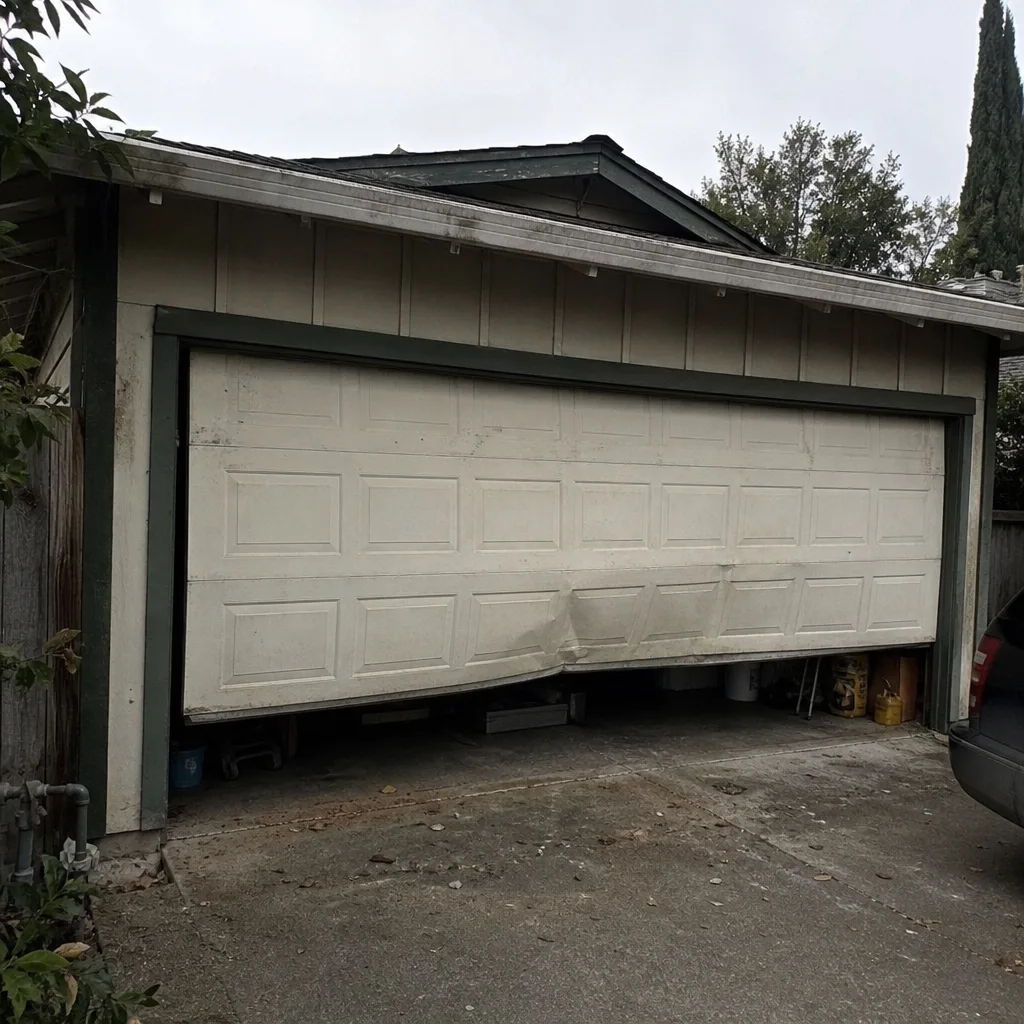 Before
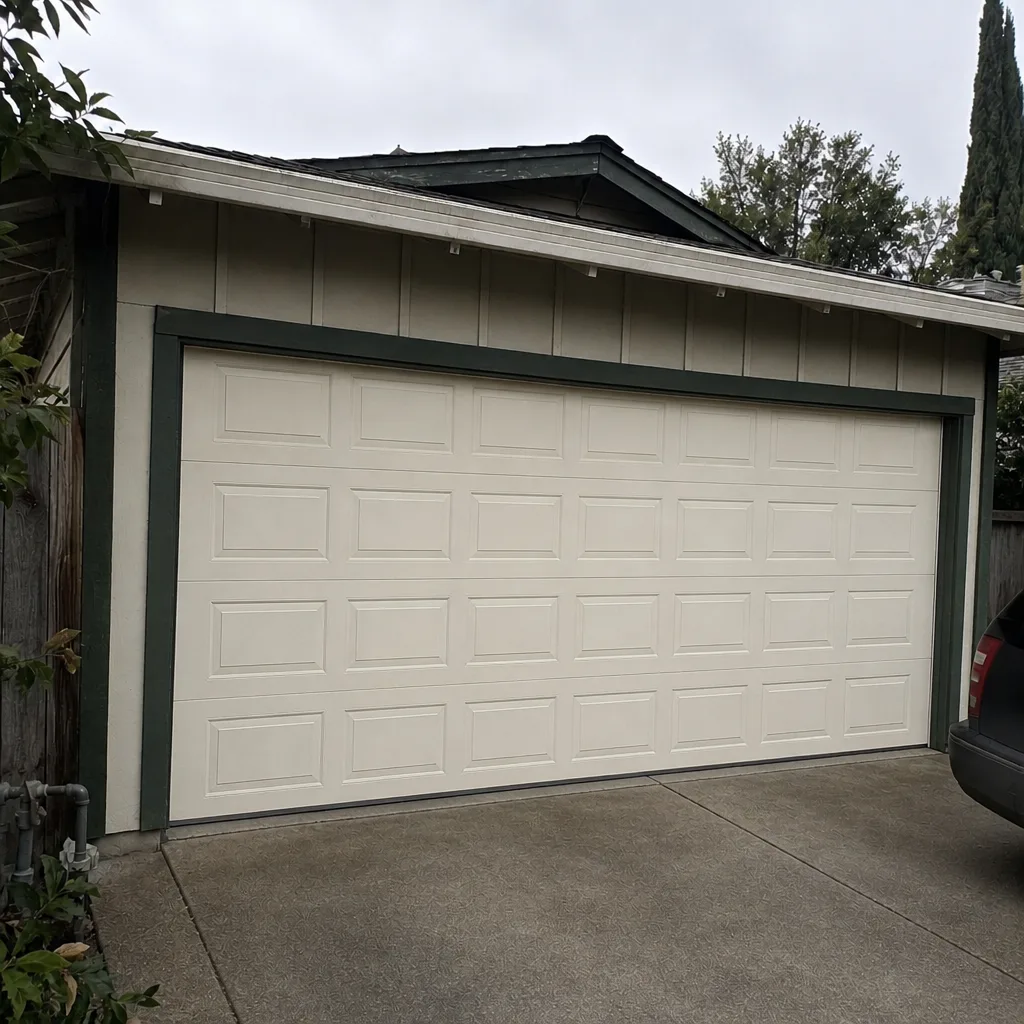 After
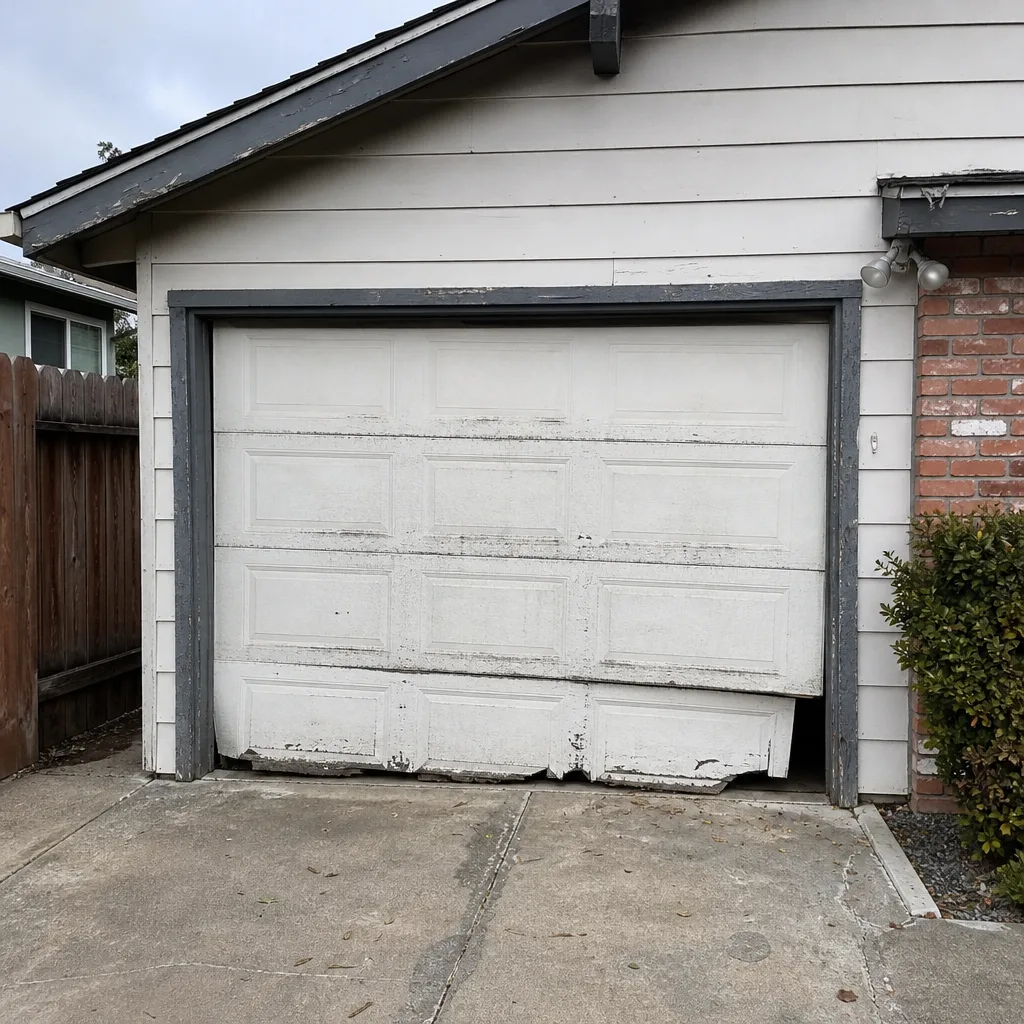 Before
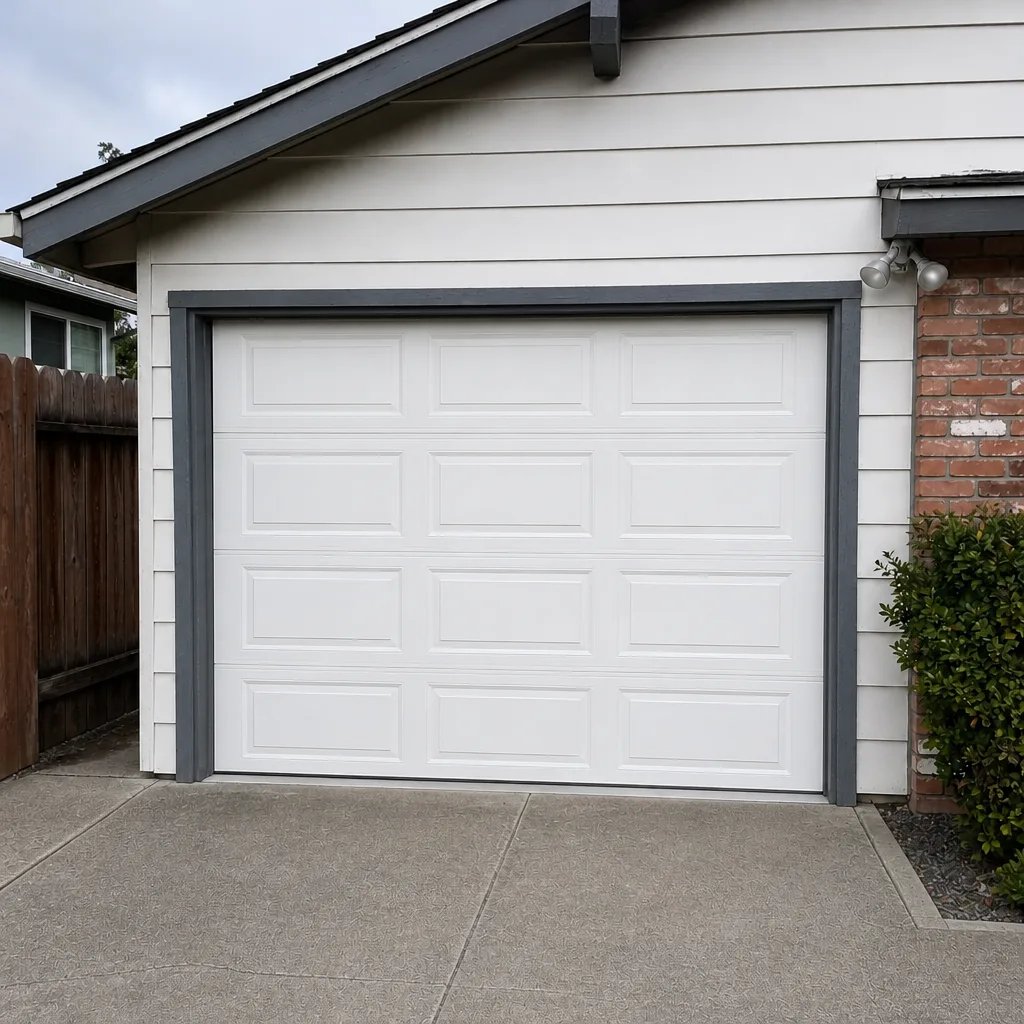 After
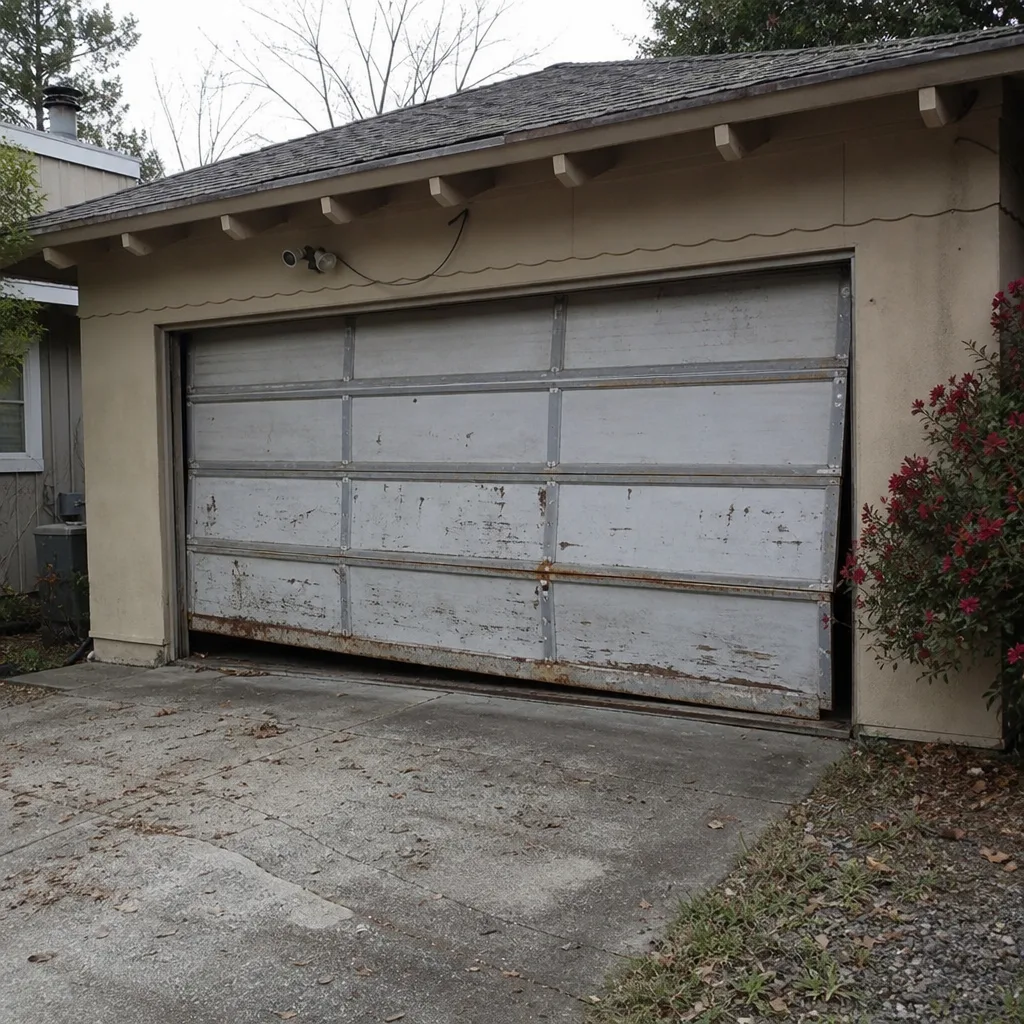 Before
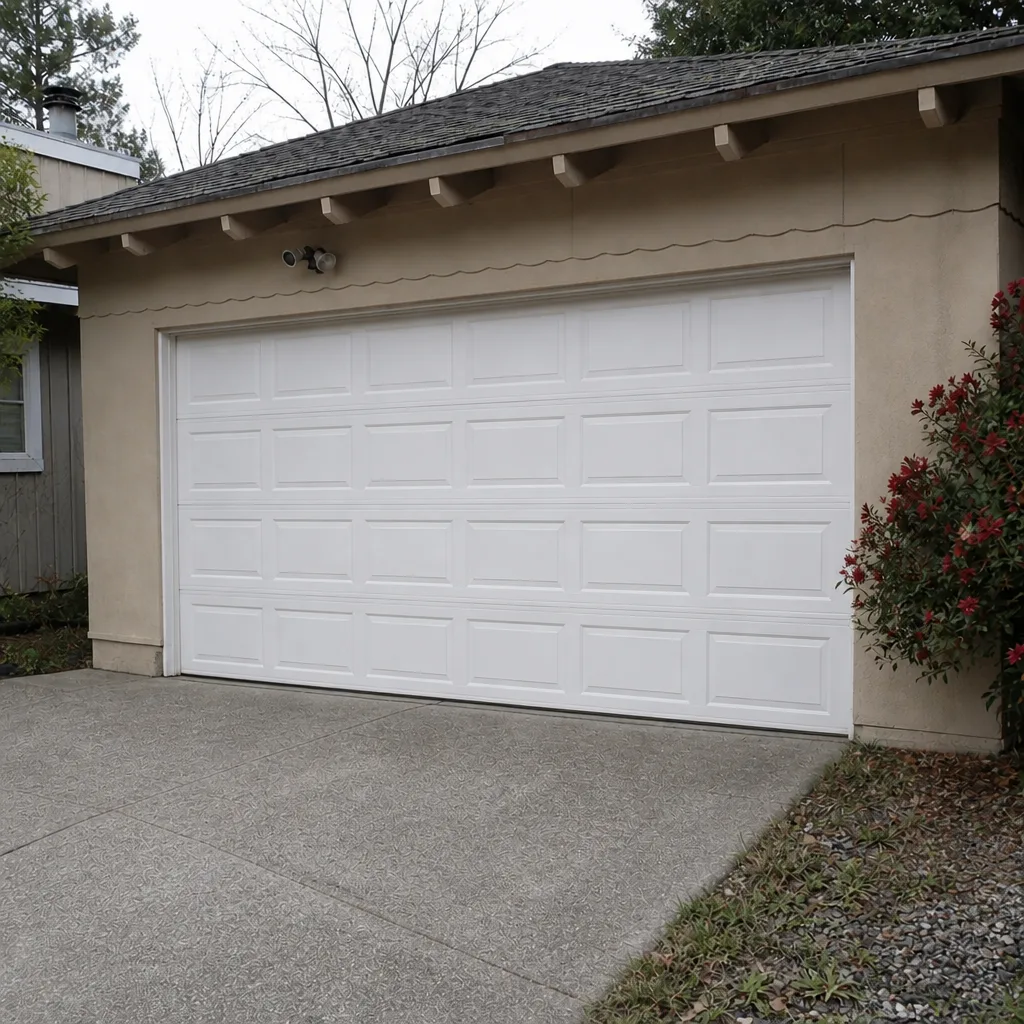 After